

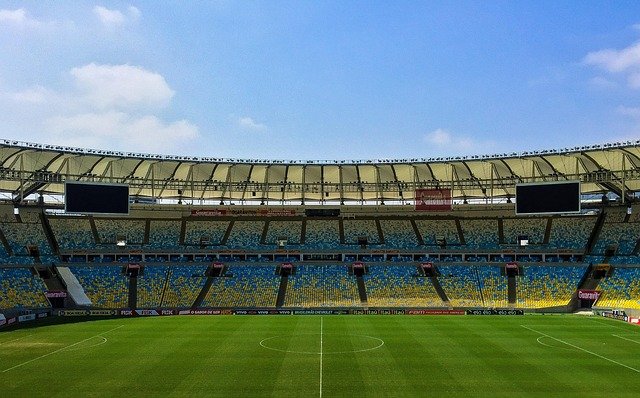
Soccer stadiums in Northern England are undergoing an unexpected transformation. They are no longer just venues for matches. More and more, these Soccer Field Becomes a Stage cultural hubs — hosting theater productions, art installations, and charity events.
As fans become increasingly digitally engaged, it’s important to recognize the role of betting services as part of the modern sports experience. In particular, the growing call to play and win with 1xBet Ireland highlights how the betting industry is deeply woven into the cultural fabric of stadium events. Betting is not just entertainment — it’s a tool that broadens the ways fans can participate, turning the stadium into a hub of activity even when no matches are taking place. These solutions boost fan engagement beyond the regular season.
The combination of sports and theater productions is supported by both sports clubs and local authorities. At its core is the idea of bringing different segments of society together in one place — in the stands, where yesterday a goal was cheered, today Shakespeare’s lines are heard.

Community theater, rock concerts, and literary clubs in the stands
The new stadium experience goes beyond music and art to include programs addressing social issues. Performances featuring vulnerable groups are organized, mental health lectures are held, and local creativity festivals take place. This enables stadiums to keep their sporting spirit while embracing a broader community role.
One of the driving forces behind this movement has been active media support. The popular platform Irish Times covers these initiatives in detail, promoting festivals and concerts not only locally but nationwide. Thanks to this media attention, stadiums are getting a second life — transforming into spaces for dialogue, not just soccer fandom.
The growing interest in cultural activities at stadiums has sparked a surge of new opportunities for self-expression. People have started sharing their experiences and organizing mini-courses, workshops, and lectures on topics like personal branding, public speaking, and even financial literacy. It turns out that soccer arenas are surprisingly well-suited for these formats.
This approach is also supported by contemporary educational initiatives, especially in the digital environment. One prominent example is platforms like https://www.tothe92.co.uk/links/selling-knowledge-online.html, which demonstrate how to disseminate knowledge outside of academic structures. These initiatives are transforming stadiums into spaces for personal growth—whether it’s a seat in the stands or an improvised Soccer Field Becomes a Stage. They’re making learning more accessible, especially for those who might never have considered self-development in a sports setting.
In the digital age, stadiums have become integral to the esports movement. Some clubs have transformed parts of their facilities into mini arenas for streaming matches and hosting cyber tournaments. Young fans now flock to stadiums not just for live football, but also to watch esports competitions and tournament broadcasts.
Against this backdrop, it’s no surprise that Esports bets are becoming a natural extension of digital engagement at stadium events. The fusion of traditional and virtual sports isn’t just a trend—it reflects a new mindset where flexibility, interactivity, and multimedia experiences take center Soccer Field Becomes a Stage. As a result, sports clubs are evolving beyond their traditional roles to become cultural hubs and operators.

What happens in stadium halls when the ball falls silent
When there are no matches, life at the stadium doesn’t come to a halt. The spaces are repurposed for charity fairs, food festivals, and school exhibitions — strengthening the bond between the club and the local community. People begin to see the stadium not just as a sports venue, but as an integral part of their everyday lives.
Here are just a few formats that have already become the norm across Northern England:
- children’s theater performances featuring football players;
- free English classes for migrants;
- local photo exhibitions showcasing the city’s sporting history;
- open mic nights and live concerts by local bands;
- volunteer-led fundraisers supporting those in need.
Each of these events brings new meaning to the stadium. The concrete walls fade into the background as music fills the halls and the scoreboard displays scenes from performances instead of match scores.
The influence of local media that support this approach should not be underestimated. Thanks to the Irish News web portal, public attention to this topic remains consistently high. Reports on successful initiatives inspire other regions to launch their own cultural projects at the sports base.
Thus, the football stadium is transformed into a dynamic cultural ecosystem. It continues to be a symbol of strength and struggle, but now in a broader context — the struggle for ideas, culture and social unity.