

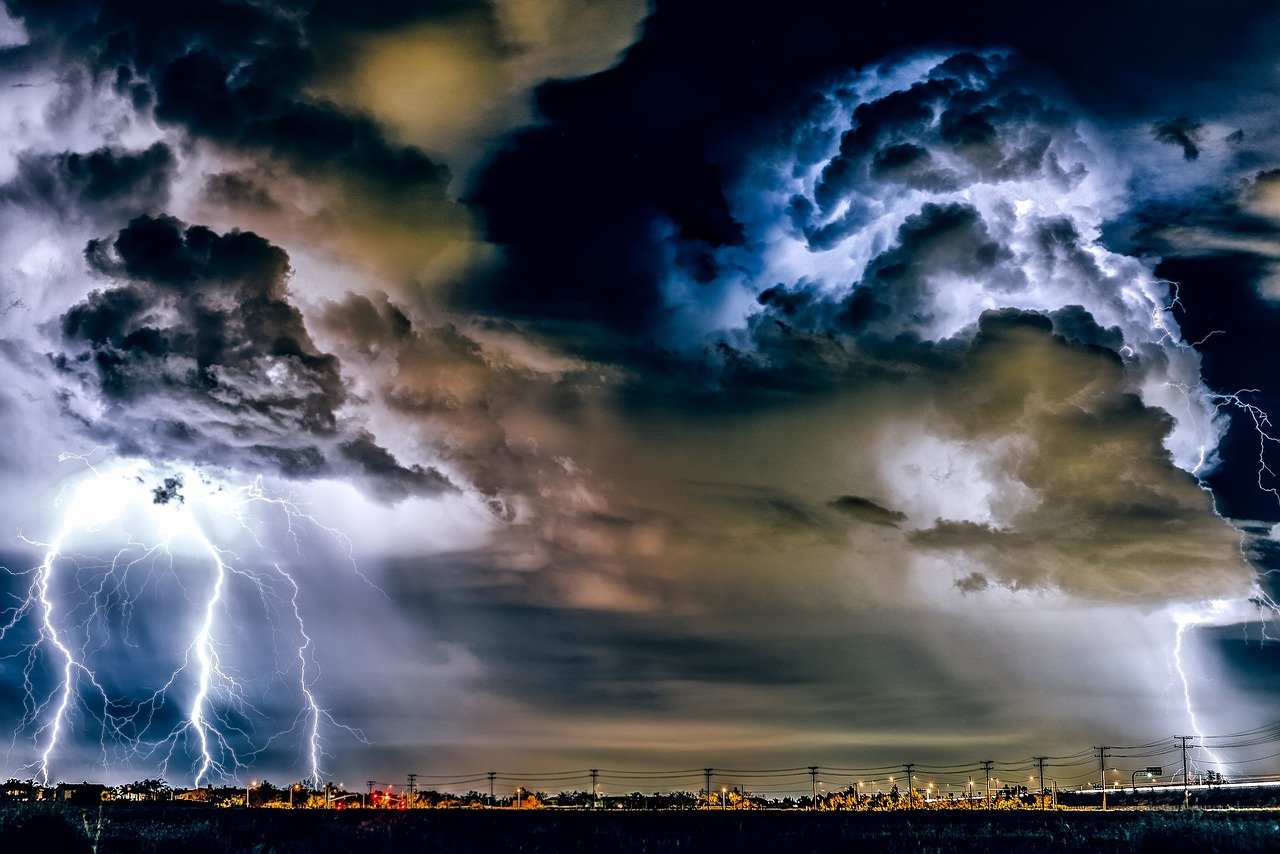
Britain is gripped by its fourth heatwave of the summer, yet the joy of sun-soaked days has shifted as yellow and amber warnings for thunderstorms spread across the country. The Met Office’s alerts, issued mid-August, have raised urgent concerns for travel, safety, and local communities. Understanding the impact and science behind these turbulent conditions is essential for UK residents navigating unpredictable skies.
The Current Warning: Regions Most at Risk
On Wednesday, August 13, and Thursday, August 14, the Met Office issued widespread yellow weather warnings, especially for Scotland and Northern Ireland. Intense thunderstorms and heavy downpours are expected from 2pm to midnight both days. The warnings come in the wake of temperatures soaring to 34°C in parts of southern England, including Benson, Oxfordshire and Northolt in west London. The combination of lingering heat and moist air has primed the atmosphere for dramatic storm development.
Forecasters caution residents in Aberdeen, Dundee, Glasgow, and eastern Scotland to stay alert for sudden flooding, hail, and gusty winds. In Northern Ireland, the risk for power outages and hazardous driving is pronounced. Localised flash flooding may sever communities as roads become impassable, with the Met Office urging vulnerable areas to prepare emergency kits and have flood plans ready.
Why Thunderstorms Are Hitting Now
August storms might seem unusual, but climate experts say they’re not as rare as assumed. Named summer storms—like Floris this year—can be disruptive, bringing damaging wind and rainfall similar to autumn’s tempests. The Met Office highlights a shift in weather patterns linked to increasing sea surface temperatures and jet stream patterns pulling moist air into the UK from the Atlantic.
Meteorologist Paul Gundersen explains, “This spell of hot weather has brought very warm and humid conditions, but rising instability means storms are more likely, especially in Scotland and the north.” High humidity leads to increased thermodynamic activity, fuelling thunderstorm formation that can quickly escalate into severe events as cells move across regions.

Impact on Travel and Infrastructure
Disruption is already evident in train and road networks, particularly in storm-hit areas. Flooding, fallen trees, and large hail can stall travel plans and close sections of motorways and train lines. The Met Office urges drivers to slow down for slippery conditions and expect delays or road closures during peak thunderstorm hours.
Power cuts remain a serious risk, affecting homes and businesses. Notably, previous named summer storms have left hundreds of thousands temporarily without electricity. Rail providers have issued contingency warnings, suggesting alternative routes and overnight stays for stranded passengers.
Air travel is also affected, with Manchester, Glasgow, and Edinburgh airports advising passengers to check for delays and be ready for last-minute cancellations.
Safety Advice for Residents
People living in flood-prone areas should monitor weather apps and Met Office alerts closely. Have sandbags and emergency supplies on hand. Avoid walking or driving through floodwater, as currents and submerged objects present real dangers. Residents should secure outdoor furniture, avoid using metal items during lightning storms, and be vigilant about falling branches or debris.
Community resilience groups are already on standby in parts of Scotland and the Midlands, helping mitigate the impact where water accumulates fastest.
Climate Trends: Are UK Thunderstorms Becoming More Severe?
Meteorologists stress that while repeated summer storms are not new, Britain is seeing a gradual uptick in intensity and frequency. Rising global temperatures and increased Atlantic moisture mean the conditions for storm development are more common and more energetic each year.
Greg Dewhurst, Met Office meteorologist, states, “We expect the current heatwave to last through the week, but thunderstorms will bring needed relief.” Nevertheless, scientists warn that flash flooding and power outages could become regular features of UK summers unless infrastructure upgrades and climate adaptation plans accelerate nationwide.
Looking Ahead: Forecast and Preparedness
Forecasters predict a period of “north-south split” weather heading into the weekend. The north will see cloudier skies with patchy rain, while the south enjoys continued sun and warmth. Another significant low-pressure system could bring heavy rain and gusty winds next week, potentially turning into the season’s seventh named storm.
Residents across the UK should remain weather aware and watch for changes in weather warnings. The coming days underscore the need for robust flood defences, upgraded infrastructure, and active community support systems.
Conclusion: Adapting to Britain’s New Thunderstorm Reality
As Britain experiences this charged blend of heatwave and thunderstorm, the importance of preparation, vigilance, and community action has never been clearer. The lessons learned from summer 2025 will inform how cities, towns, and rural communities build resilience in the face of a changing climate. For now, heed the warnings, stay safe, and look skyward—Britain’s stormy weather may be here to stay.
Read more: happy independence day