

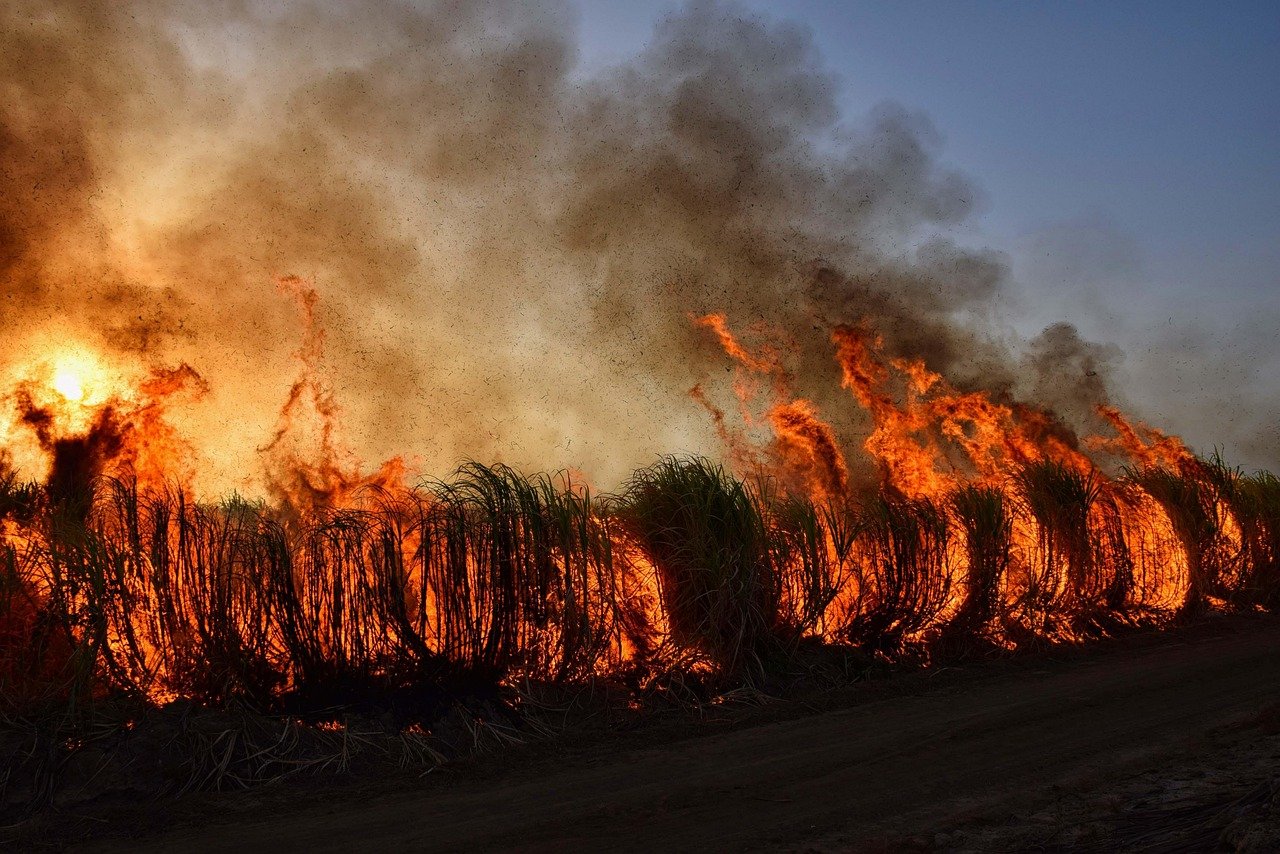
Wildfires have swept across southern France this August, creating devastation on a scale not seen in decades. With flames tearing through communities in the Aude region, the tragedy unfolding has captured the attention of both French residents and British holidaymakers. Fires have destroyed homes, forced mass evacuations, and prompted a major emergency response—all while reinforcing tough questions about the climate crisis in Europe.
Inferno Engulfs the Aude Region
The current wildfires began on Tuesday near the village of Ribaute, in the Aude department, located in the foothills of the Corbières mountains. In a matter of hours, the blaze spread rapidly, propelled by strong winds and hot, dry summer conditions. French authorities say this is the largest wildfire the country has experienced so far in 2025, with more than 13,000 hectares of land burned—an area larger than Paris itself. The scale of the destruction has left a visible scar on the landscape and upended entire communities.
As of Wednesday, at least one person—a woman found in her home—has died and another is unaccounted for. Several others are reported injured, including firefighters battling the relentless flames. The fire’s speed and intensity took many by surprise, with local officials describing the effects as catastrophic. Up to 25 homes have been obliterated, leaving families with nothing but memories among the ruins.
Mass Evacuations and Widespread Disruption
Thousands of people, both residents and holidaymakers, were forced to flee as the fire encroached on towns and popular campsites. In villages such as Jonquières and Lagrasse, smoke filled the sky while flames licked at garden fences and ensnared entire properties. Many were advised to seek shelter or head for temporary evacuation centres. Roads have been closed and more than 2,500 households remain without electricity—a reminder of just how swiftly nature can overturn normal life in southern France.
The A9 motorway, a vital link between France and Spain, was shut for hours, causing major transport disruptions. British tourists—who flock to this region each summer for its vineyards, beaches, and sun—were among those affected, with some now stranded and others facing travel chaos as flight and road closures took hold. UK travel companies have issued warnings, urging holidaymakers to stay in touch with local authorities for the latest guidance on safety measures.
A Herculean Firefighting Effort
More than 1,800 firefighters were deployed within a day, supported by hundreds of vehicles and a fleet of water bombers and helicopters. These emergency teams battled not just flames but also searing temperatures and powerful winds, which hampered progress and increased the risk of new outbreaks. According to Christophe Magny, chief of the local fire brigade, the firefighters faced a “disaster of unprecedented scale.” Conditions have been so severe that monitoring the fire’s perimeter and preventing flare-ups will be a long-term operation, likely lasting several more days.
Local authorities have praised the dedication of these teams, and President Emmanuel Macron himself has publicly pledged all available national resources to counter the disaster. Prime Minister François Bayrou has also visited the site, standing in solidarity with families and first responders.
Climate Crisis: Fires Becoming the New Normal
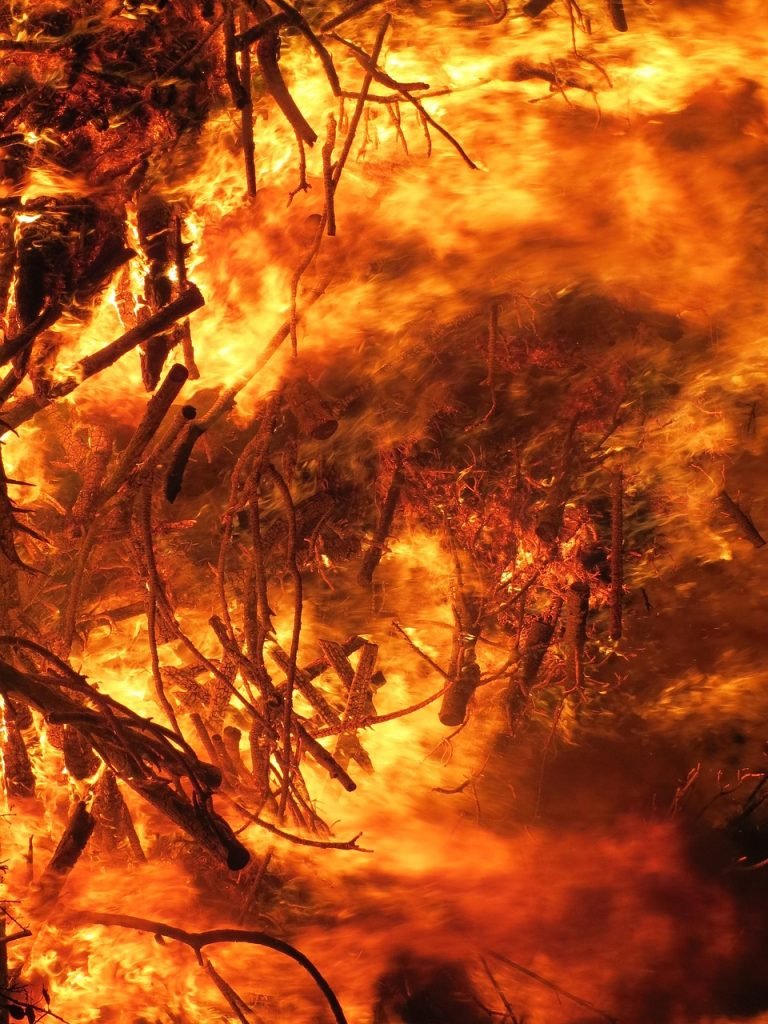
The relentless scale and speed of the southern France wildfires are being linked by scientists and officials to the changing climate across Southern Europe. The Mediterranean region has seen successive years of hotter, drier summers. This pattern has led to drought, dried vegetation, and an increase in the frequency and severity of wildfires. According to the European Union’s Copernicus Climate Change Service, Europe is now the world’s fastest-warming continent, with temperatures rising at twice the global average rate since the 1980s. These rising temperatures, coupled with reduced rainfall and land use changes—such as the removal of vineyards that once acted as firebreaks—have created a tinderbox environment throughout southern France.
Experts warn that such events may become even more frequent, potentially altering the character of the region and reshaping its communities and tourism. The ongoing fire is just one of more than 9,000 wildfires already recorded along France’s Mediterranean coast this summer, a statistic both shocking and deeply worrying for the future of the area.
Community Loss and Hope for Recovery
As the fire’s immediate threat slowly recedes, residents and civic leaders face the daunting task of rebuilding. In Jonquières, the mayor, Jacques Piraux, described the aftermath as “a scene of sadness and desolation,” with entire stretches of the village scorched black, trees burnt, and homes reduced to rubble.
Efforts to restore power, reopen roads, and provide support to the displaced are underway. Emergency shelters remain open, and mental health services have been bolstered to help traumatised residents. Tours of the burned areas, led by local authorities, are being conducted to assess the damage and begin organising clean-up and reconstruction.
Advice for UK Travellers
For those in the UK planning trips to southern France, experts continue to advise checking travel guidance before departure. The Foreign, Commonwealth & Development Office has highlighted ongoing fire risk and urges travellers to heed local warnings. With temperatures expected to climb further and the risk of flare-ups persisting, the situation remains fluid and could affect future travel plans for British tourists.
Looking Ahead: Lessons from the Flames
This summer’s wildfires in southern France have shocked communities and sent a powerful warning about the growing dangers associated with changing weather patterns. They have also highlighted the courage of first responders and the resilience of small towns facing the unthinkable.
As the region begins to recover, pressure is mounting on authorities, both local and national, to invest in preventive measures—whether through better land management, improved early-warning systems, or addressing the root causes in a warming world. For now, the scars on the landscape and the stories of loss echo far beyond France, prompting vigilance and renewed reflection across Europe and in the UK.
Read more: birmingham airport