

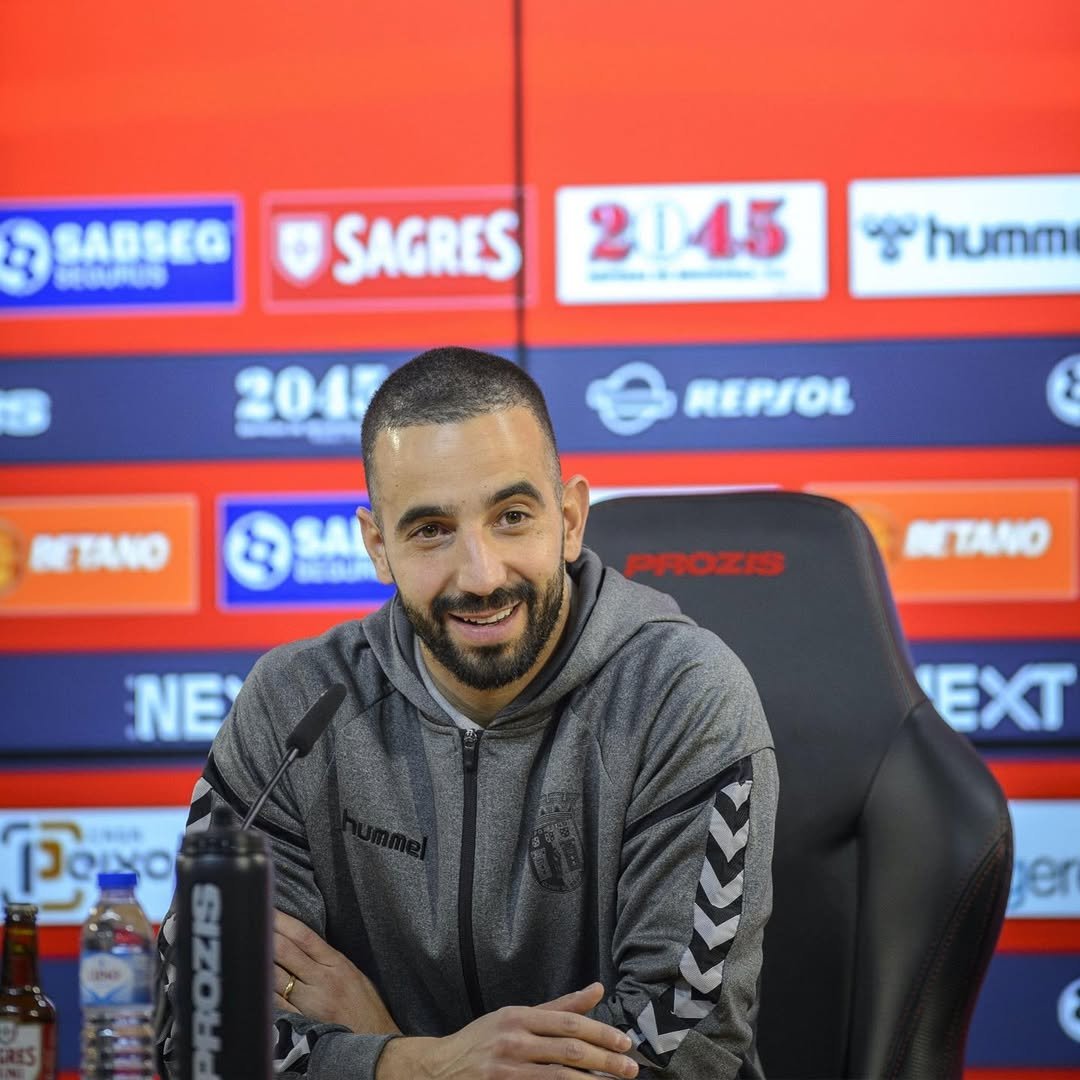
The name Ruben Amorim has become synonymous with tactical innovation and youthful promise in modern football, yet his tenure at Manchester United tells a story of immense challenge and unwavering determination. Since arriving at Old Trafford in November 2024, the Portuguese manager has faced perhaps the steepest learning curve of his coaching career, transforming from Sporting CP’s golden boy into the man tasked with resurrecting one of England’s most storied clubs.
From Lisbon Glory to Manchester Struggles
Ruben Amorim’s journey to Manchester United reads like a modern football fairy tale turned cautionary tale. At Sporting CP, he had become accustomed to success, ending the club’s 19-year league title drought in his first full season and establishing himself as one of Europe’s most promising young coaches. His tactical acumen and ability to develop young talent made him the third most expensive manager in football history when Sporting paid €10 million for his services in 2020.
However, the transition to Old Trafford has proven far more turbulent than anyone anticipated. Manchester United’s disappointing campaign culminated in a heartbreaking 1-0 defeat to Tottenham in the Europa League final, denying Ruben Amorim his first trophy in English football and ensuring United would miss out on Champions League qualification. The loss marked a significant blow to both the manager’s reputation and the club’s financial prospects, with Champions League absence costing approximately £100 million in potential revenue.
The Tactical Revolution That Hasn’t Clicked
Central to Ruben Amorim’s philosophy is his beloved 3-4-3 formation, a system that brought him tremendous success in Portugal but has struggled to translate to the Premier League’s unique demands. The formation, which emphasises vertical play and requires versatile players capable of adapting to multiple roles, has faced criticism from pundits who question its suitability for United’s current squad.
Despite the tactical challenges, there have been glimpses of brilliance. Ruben Amorim’s Manchester United secured a memorable victory over Manchester City, with the manager’s emphasis on relentless pressing proving decisive. His post-match comments about players needing to “run like mad dogs” to succeed in the Premier League encapsulated his demanding approach to the game.
The system’s flexibility allows for various formations during different phases of play, transforming from 3-4-3 to 4-3-3, 5-2-3, or even 3-2-5 depending on the match situation. However, adapting to this tactical complexity has proven challenging for United’s players, many of whom were accustomed to different systems under previous managers.
Summer Surgery and Squad Overhaul
With the disappointing season behind him, Ruben Amorim faces a crucial summer transfer window that could define his Manchester United tenure. The club has already moved decisively in the market, securing Matheus Cunha from Wolverhampton Wanderers for £62.5 million as Amorim’s first major signing. The Brazilian forward, who scored 17 goals for Wolves last season, represents the type of versatile attacking player that fits perfectly into the manager’s tactical system.
United’s transfer strategy under Ruben Amorim extends beyond immediate first-team additions. The club is reportedly pursuing Bryan Mbeumo from Brentford and showing interest in Porto goalkeeper Diogo Costa, who could potentially replace André Onana between the posts. These moves reflect Amorim’s desire to build a squad capable of implementing his demanding tactical approach consistently.
However, financial constraints mean Ruben Amorim must be strategic in his recruitment. The absence of Champions League football has limited United’s spending power, forcing the manager to consider alternative approaches to squad building. His comments about having “two plans” for the transfer market, with and without Champions League qualification, demonstrate the pragmatic approach he must now adopt.
Youth Development and Academy Integration
One aspect where Ruben Amorim has shown consistency with his Sporting CP days is his commitment to youth development. At his former club, he handed debuts to 27 young players, establishing a reputation as a coach willing to trust emerging talent. This philosophy aligns perfectly with Manchester United’s proud tradition of promoting academy graduates.
During his time at United, Ruben Amorim has already given opportunities to several promising youngsters, including debuts for Chido Obi, Ayden Heaven, Tyler Fredricson, and Harry Amass. His belief that “the Academy was the past, so it can be the future” reflects his understanding of United’s heritage and his commitment to continuing that tradition.
The manager’s approach to youth development extends beyond simply giving young players chances. He emphasises the importance of protecting these talents from excessive social media scrutiny whilst ensuring they receive proper guidance to fulfil their potential.
The Path to Redemption
Despite the setbacks, Ruben Amorim retains the backing of Manchester United’s hierarchy. Sources close to the club suggest that his position was never contingent on winning the Europa League final, with the board maintaining faith in his long-term vision for the club. This support provides the Portuguese manager with the stability needed to implement his ideas properly.
The upcoming season presents both opportunity and pressure for Ruben Amorim. United face a challenging start to the 2025-26 Premier League campaign, with fixtures against Arsenal, Manchester City, and Chelsea within their first five matches. These early encounters could prove decisive in determining whether the manager’s methods can succeed in English football’s most demanding league.
The absence of European competition, whilst disappointing, offers Ruben Amorim additional time to work with his players during the week. This extra preparation time could prove crucial in helping United’s squad fully understand and implement his tactical requirements.