

Roderick Jeffrey Watts is a distinguished psychologist and professor whose career has been defined by his dedication to social justice, youth empowerment, and the advancement of mental health within marginalised communities. His work, deeply rooted in both academia and advocacy, resonates with UK audiences keenly interested in diversity, equity, and the psychological forces that shape social change.
Early Roots and Educational Foundations
Growing up in New York, Watts was immersed in conversations about race, public health, and community wellbeing thanks to his parents’ involvement in these sectors. His mother worked as an office manager for a platform focusing on African American issues, while his father contributed as a health planner. These early experiences imprinted a strong sense of social responsibility, fuelling Watts’ interest in understanding complex societal structures and their psychological impact.
Watts pursued this passion academically, earning his Ph.D. in Clinical-Community Psychology from the University of Maryland. His studies focused on exploring how community dynamics and systemic inequalities shape individual and collective psychological health. This unique educational pathway provided the groundwork for Watts to bridge research with real-world applications and advocacy.
Academic Career and Community Impact
Watts has held faculty roles at prestigious institutions, including the Graduate Center at City University of New York, Georgia State University, Stellenbosch University in South Africa, and DePaul University. His teaching interests range from African American psychology and qualitative research methods to programme evaluation and consultation.
His research interests highlight youth sociopolitical development, African American cultural identity, and men’s development, particularly post-incarceration—a topic highly relevant in UK discussions on rehabilitation and social reintegration. Watts has also contributed to clinical work and consulted widely on diversity, equity, and inclusion, further bridging academic theory with community action.
Contributions to Scholarship and Literature
Among his key publications, Watts co-edited Human Diversity: Perspectives, a book that has become fundamental in discussions around diversity-conscious projects and social identity. He contributed meaningfully to Beyond Resistance! Youth Activism and Community Change, reflecting his commitment to youth empowerment, which is increasingly prioritised in UK policy circles.
Watts’ work regularly explores the psychological effects of oppression and discrimination, analysing how community and social structures can either hinder or catalyse empowerment. Roderick Watts created and evaluated programmes that strengthen the resilience of African American adolescents and marginalised young people. Schools and advocacy groups in the UK have echoed or adapted many of these initiatives.
Philosophy: Integrating Psychology and Social Justice
Central to Watts’ philosophy is the belief that psychology must address the realities of oppression and social inequality, not merely focus on individual symptoms. He argues that creating meaningful change requires a transdisciplinary approach, blending psychological insight with activism, public policy, and education.
Watts’ research places particular emphasis on liberation psychology. This discipline investigates how awareness of injustice leads to action—a topic with growing resonance given the UK’s ongoing debates around inequalities and social mobility. His holistic approach promotes both personal growth and community transformation, aligning closely with contemporary British values on mental health and social justice.
Mentorship, Advocacy and International Outreach
Beyond his scholarly pursuits, Watts is celebrated for his mentorship and dynamic teaching style. He encourages students to pursue psychology with a focus on collective empowerment, inspiring future generations to address real-world problems through research and activism. Many of his students have gone on to make significant contributions in psychology, advocacy, and social policy.
Watts also collaborates internationally, notably in South Africa, where he has taught and led research into youth activism. In the UK, aspects of his work have influenced community organising movements, mental health campaigns, and youth engagement strategies.
As an advocate, Watts serves on committees focused on mental health and racial equality, contributing to policy discussions that shape better access and outcomes for underserved populations. His work with community groups spans topics from affordable housing to educational access and criminal justice reform.
Personal Life and Partnership
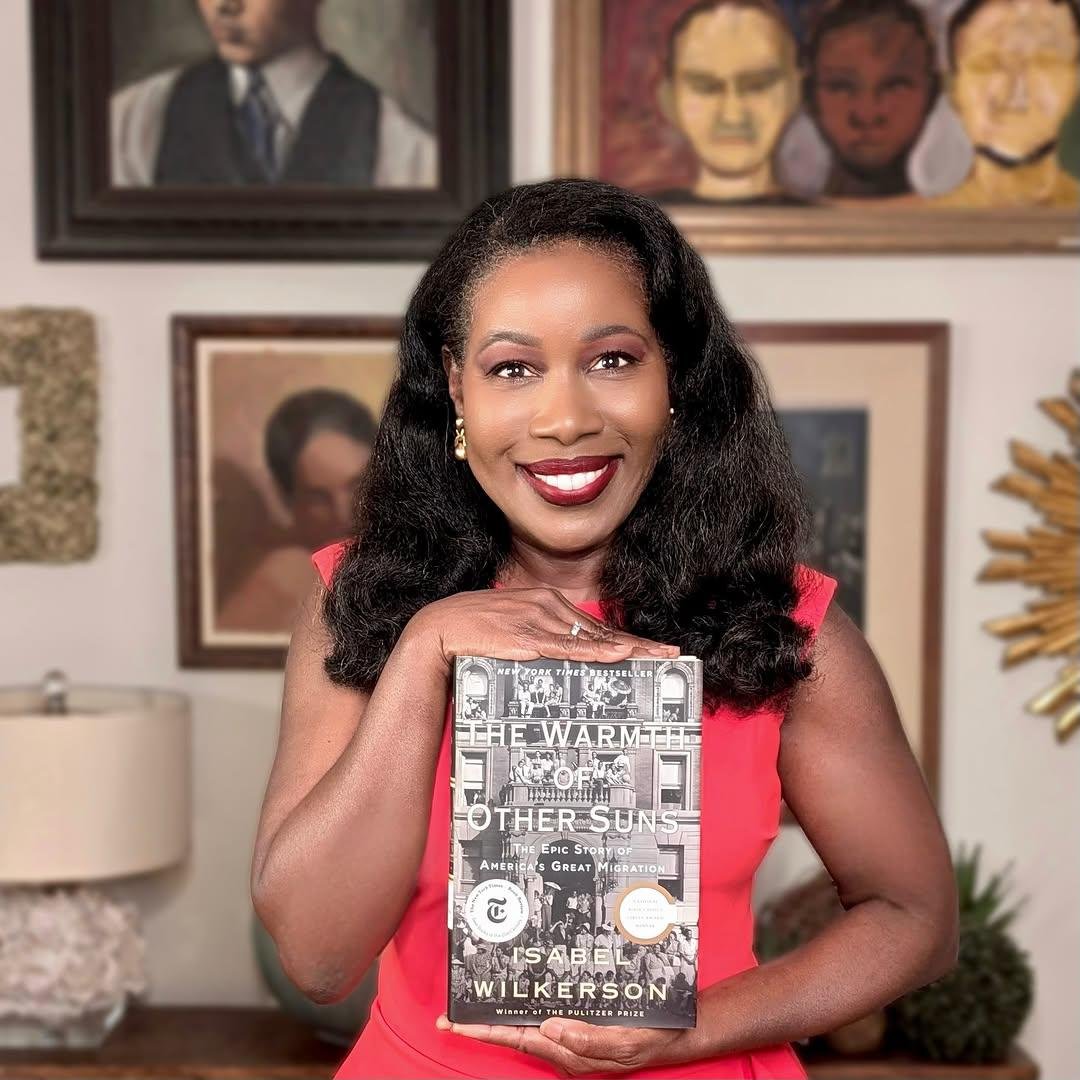
Roderick Watts married Isabel Wilkerson, a Pulitzer Prize-winning author whose work on race and society complements his vision for an equitable world. Together, they foster projects that blend history, psychology, and activism, providing thought leadership valued by UK and global audiences.
Roderick Watts’ personal interests—reading, music, and public engagement—reflect his commitment to personal well-being, often highlighted in interviews with UK media as important for mental health professionals.
Legacy and Continuing Influence
His scholarship and real-world programmes have empowered countless individuals and communities, setting an example for future UK policymakers, educators, and activists. His holistic, practical approach to mental health and social equity continues to shape research and advocacy worldwide.
As UK news increasingly centres on diversity, youth empowerment, and mental health, Watts’ enduring influence serves as both a blueprint and inspiration. His commitment to integrating research with activism encourages fresh thinking about how societies can dismantle inequality and foster psychological security for all.
Conclusion
Roderick Jeffrey Watts embodies the ideals of progressive psychology and advocacy, making significant contributions that resonate with UK audiences concerned with diversity, inclusion, and well-being. His continued research, teaching, and community involvement ensure he remains a guiding force for those seeking to combine academic insight with impactful change.
Read more: taylor dooley husband