

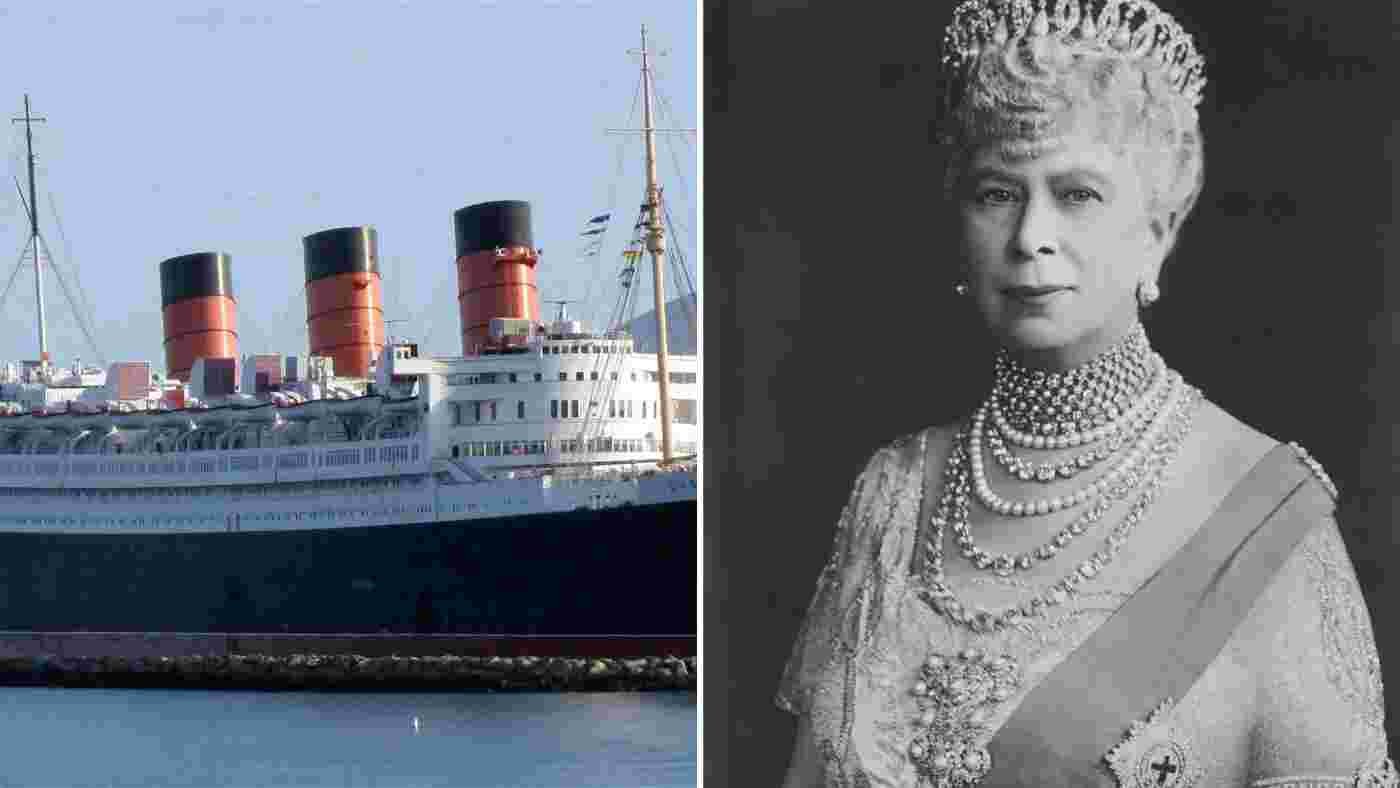
“Queen Mary” resonates with historical elegance and modern maritime relevance. Whether referring to the legendary RMS, now docked as a floating museum in California, or the active cruise liner Queen Mary 2, both ships carry a legacy of innovation, service, and resilience. In 2025, these two vessels will continue to fascinate the public, each with its unique role in history and travel.
The Original Queen Mary: A Ship That Shaped History
Launched in 1936 by the Cunard Line, the original RMS Queen Mary was more than just a luxury liner—it was a technological marvel of its time. Built in Clydebank, Scotland, she quickly became known for her speed, grandeur, and attention to detail. Art deco interiors, ballrooms, and first-class service defined the Queen Mary’s legacy as the queen of the Atlantic.
She was converted into a troopship during World War II and famously transported thousands of Allied soldiers. Nicknamed the “Grey Ghost” for her camouflaged exterior and unmatched speed, the Queen Mary played a crucial role in the war effort.
After retiring in 1967, the ship found her final home in Long Beach, California. Today, she serves as a historic hotel and museum. Although maintenance concerns and budget struggles have threatened her condition over the years, restoration efforts continue. The ship remains a beloved piece of maritime history, drawing visitors from across the globe.
Queen Mary 2: The Modern-Day Ocean Liner
Launched in 2004,(QM2) is the only genuine ocean liner still in active service. She upholds the Cunard tradition with transatlantic crossings between Southampton and New York. With a capacity of over 2,600 guests, QM2 blends old-world charm with modern amenities such as grand dining rooms, libraries, theatres, and even a planetarium.
However, 2025 hasn’t been without challenges. In March, the ship faced a norovirus outbreak affecting nearly 200 people during a cruise to the Caribbean. Cunard responded swiftly with deep-cleaning protocols and isolation procedures. The CDC monitored the outbreak, and no severe health consequences were reported. This incident underscored the ongoing need for strict health standards on cruise ships, especially post-pandemic.
Despite this, Queen Mary 2 remains a favourite among travellers who seek luxury with a touch of nostalgia. Her ongoing voyages remind the world that traditional ocean travel still has its place in the modern age.
Conclusion
From the original RMS Queen Mary decks to the polished corridors, the legacy of “Queen Mary” lives on. One represents the golden age of ocean liners, and the other is a modern symbol of resilience and elegance at sea. Though separated by nearly a century, both vessels continue to shape how we remember, celebrate, and experience maritime travel.
Read More: Hannah Waddingham Parenting Journey with Daughter Kitty