

If there is one institution nearly every Briton consults each week, it’s the Met Office. Whether you are planning a family picnic, worrying about storms, or want to know when to pack away the winter coat, the Met Office shapes daily decisions and national discussions. In 2025, the organisation stands at the intersection of technology, climate change and public service, offering forecasts more vital—and more sophisticated—than ever.
Britain’s Summer So Far: Record Heat, Drought, and Now Storm Floris
Summer 2025 has seen weather swing from one extreme to the next. The Met Office’s review of July tells the story: the UK experienced its fifth warmest July on record, part of an extraordinary run as the sixth consecutive month with above-average temperatures. The mean temperature for July stood at 16.8°C—higher than almost any July since records began in 1884. Southern England was especially warm, with Faversham in Kent peaking at a sweltering 35.8°C on 1 July1. Shetland and Orkney recorded their warmest July in history.
Warm nights have matched hot days, with minimum temperatures for July ranking among the highest ever. These extremes come on top of England’s driest January-to-June spell since 1976. The country has already seen three heatwaves, with 11 days at or above 30°C—a feat matched only twice previously, in 1976 and 20182.
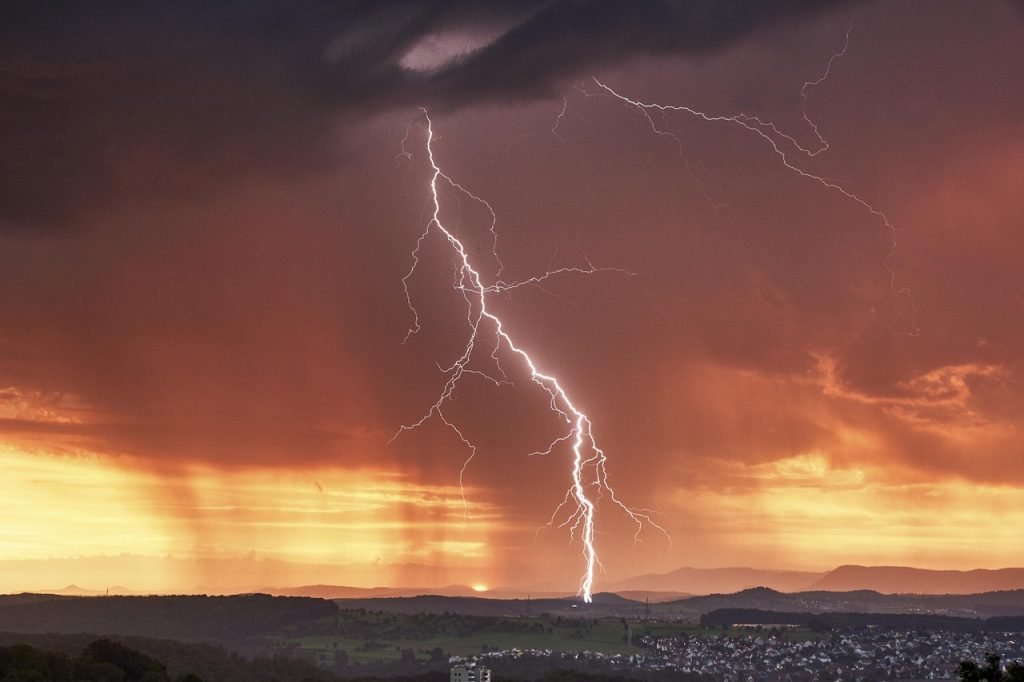
Yet, the heat has not lasted without interruption. As August began, the Met Office issued warnings for heavy rain and strong winds. Storm Floris—remarkably, the UK’s sixth named storm of the 2024/25 season—brought gusts close to 85–90mph across Scotland and northern England, prompting amber and yellow weather warnings and “danger to life” alerts for flying debris.
What the Forecasts Reveal—And What Headlines Miss
The Met Office’s daily outlook balances the sensational with the scientific. Despite dramatic talk of a “40°C heatwave” in the press, the organisation pointed out that though high temperatures and short hot spells are more likely, true extremes like those in 2022 (when the UK set a new 40.3°C record) remain rare for now. Instead, the South East is seeing temperatures in the mid-20s, and heatwaves, while more frequent, tend to be brief rather than unrelenting.
In contrast, rainfall has been patchy and, for much of the country, lower than historical averages. England has tallied just 37% of usual summer rainfall so far, while some parts of Cumbria have received nearly their full seasonal average.
Science Meets Society: Beyond the Weather
Crucially, the Met Office is not just about predicting rainy days. It plays a quiet but influential role in shaping UK health and public safety. Weather warnings are life-saving for those in flood-prone areas or for elderly people vulnerable to heatwaves. The pollen forecast helps hay fever sufferers prepare, while air quality alerts are increasingly relevant in Britain’s bigger cities, guiding asthmatics and parents of young children alike.
Public Health and Social Resilience
Each year, the Met Office partners with Public Health England for “Heat-Health” and “Cold Weather” alerts, offering tailored advice for care homes, hospitals, and emergency services. These initiatives have gained urgency as the country faces more frequent weather extremes. In recent heat episodes, the Met Office issued public advice to avoid midday travel, check on neighbours, and conserve water—actions credited with reducing hospitalisations.
Innovation, Technology, and the Future of Forecasting
Behind the scenes, the Met Office’s most significant development is technological. In 2025, it unveiled its new AI-powered supercomputer, housed in southern England and operated with Microsoft Azure. Capable of 60 quadrillion calculations every second, this supercomputer allows meteorologists to process 50 billion weather observations daily—four times faster than the previous system. This leap brings the ability to generate 14-day forecasts with unprecedented detail and accuracy, doubling the reliable window from earlier years.
The advanced computing is more than flash: it improves flood alerts for emergency responders, boosts aviation safety by predicting rapid weather changes, and provides better early warnings for energy suppliers bracing for demand spikes. In a world of intensifying weather risks, these advances matter not only to planners and pilots but to households everywhere.
The Met Office’s five-year strategy for 2025–2030 also targets “agility and innovation,” promising to blend scientific expertise with artificial intelligence for forecasts that are sharper, faster, and more widely accessible. The organisation estimates that its work will add £56 billion in value to the UK economy over the next decade—a return of £19 for every £1 of public money invested.
Warnings, Public Engagement, and the Path Ahead
Communication is at the heart of the Met Office’s public value. Weather warnings—visible on TV, radio, and digital apps—use a clear yellow/amber/red system, now familiar to millions. Warnings about when to “only open doors when necessary” during Storm Floris remind people what actions truly matter for their safety.
The Met Office also runs seasonal campaigns to raise awareness on everything from sun safety to flooding, and it regularly invites the public to suggest names for future storms, keeping engagement at the national level.
The Changing Climate: What Lies Beyond 2025?
As summers grow hotter and weather patterns shift, the Met Office underscores the UK’s new reality. There is now, scientists say, a 50-50 chance of seeing another 40°C day in the next 12 years, while marine heatwaves and persistent sunshine become more frequent features of British summers.
Extreme storms remain rare but unpredictable, as Floris and predecessors like Antoni (August 2023) or Ellen (2020) remind us. With technological advances, timely alerts, and public engagement, the Met Office’s mission is ever more crucial.
A Trusted Voice for a Weather-Obsessed Nation
No matter the forecast, the Met Office stands as Britain’s trusted weather authority. It delivers clarity amid uncertainty—whether warning of summer storms, highlighting new highs, or explaining the science behind the headlines. For the millions who look skyward each day, the Met Office remains an essential guide as the island adapts to a changing climate and a fast-evolving world.
Read more; Luuk De Jong