

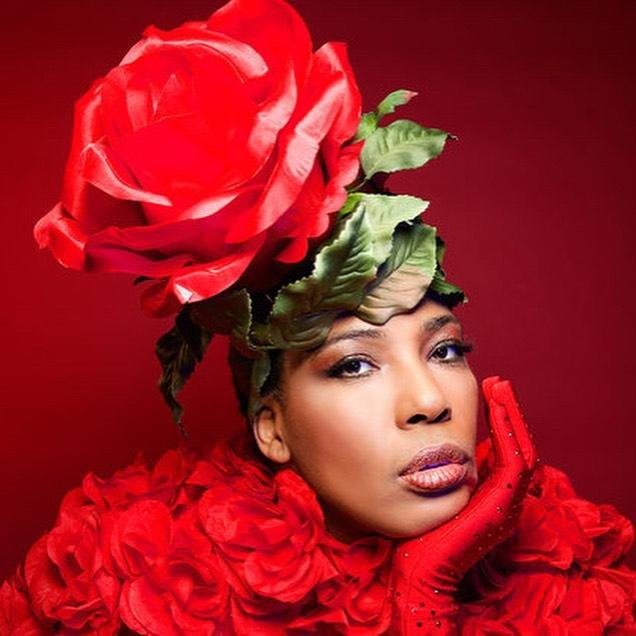
Macy Gray Tracy hinds, born Natalie Renée McIntyre in Canton, Ohio, is a widely recognised soul and R&B singer, famed for her distinctive raspy timbre and rich emotional delivery. Rising to international stardom after her debut album “On How Life Is” in 1999, Gray captured public imagination with “I Try”, which hit the UK Singles Chart and remains a staple of pop culture. Her career includes ten studio albums, roles in major films, and a Grammy win—all achievements that have made her a familiar figure not only in the United States but also across the United Kingdom.
Alongside her creative success, Gray’s personal life has often been a subject of curiosity. In the early 1990s, she married Tracy Hinds, a mortgage broker. Their union lasted around two years and resulted in three children, a fact that shaped many of Gray’s choices and artistic inspirations.
Tracy Hinds: More Than a Footnote
Tracy Hinds’s role in Macy Gray’s story is not simply a background detail. While he never embraced the spotlight, his influence as partner and parent is evident. Following their divorce—well before Gray’s music career gained full momentum—Hinds remained an intermittent presence in their children’s lives. Gray has described their relationship as tempestuous at times, with some arguments never fully resolved. Despite the challenges, both tried to prioritise the wellbeing of their family, each encountering hurdles that resonate with millions of UK households navigating post-divorce parenting.
Raising a Family Under the Spotlight
Gray’s experience as a single mother after her separation from Hinds mirrors situations faced by countless parents in Britain. With three children—Aanisah, Mel, and Happy—she was compelled to bring stability during personal and professional transformation. This journey saw Gray move back in with her own mother, a scenario familiar to UK families rebuilding after separation.
Their daily lives, while shaped by celebrity, have been marked by a desire for normalcy. Gray exchanged her former lavish lifestyle for quieter domestic routines, engaging with her children’s musical interests and sharing a home with her sister. She’s spoken of the practical challenges—coping with loneliness, balancing work, and adapting to changing family structures. These themes emerge regularly in UK media discussions on solo parenting and blended families.

Family Challenges and Resilience
The relationship between Macy Gray, Tracy Hinds, and their children has faced pressures sometimes magnified by public interest. In recent years, legal issues within the family have made headlines; for instance, Gray’s daughter Aanisah sought a protective order against her brother Tracy Melvin Hinds, alleging abusive behaviour. Macy Gray herself publicly denied any physical violence from her son, emphasizing a commitment to family unity and love despite challenges.
Such revelations spark discussions in British circles about how fame intersects with private strife, and how public figures cope when family becomes the focus of trending news. UK child psychologists note that high-profile family disputes can create pressures quite unlike those faced by non-celebrities, amplifying scrutiny and calling for greater support and understanding.
Public and Private: Finding the Balance
Despite media attention, Macy Gray has sought to shield her children from the fallout of her fame. She rarely discusses personal matters in detail and highlights the importance of privacy. Interviewed by The Telegraph, Gray admitted that her children would need to answer for themselves how they feel about paternal involvement, reflecting the complex emotions common among children of separated parents in Britain.
Gray’s choice to launch the Macy Gray Music Academy in 2005 emphasizes her focus on giving back, supporting young talent while offering her children a creative outlet away from public gaze. Friends and industry peers admire her efforts to balance professional achievements with family responsibilities.
Impact and Influence Beyond Music
Gray’s approach to family, resilience, and reinvention is increasingly of interest in the UK. As debates around parenting roles, blended households, and celebrity culture continue, her trajectory offers thoughtful lessons. Researchers at British institutions exploring the psychological effects of fame cite Gray’s story to illustrate the importance of grounded parenting and mental health awareness.
Throughout her UK tours, including recent festival appearances, Gray remains outspoken yet understated about her family life. Her candid interviews—such as those with Lorraine Kelly on ITV—have resonated with UK audiences who appreciate raw honesty and humour.youtube
Looking Forward: Lessons for UK Readers
As Gray enters a new phase in her life and career, her relationship with Tracy Hinds shapes but does not define her. The challenges, arguments, and reconciliations are part of the wider tapestry of modern families, both in the UK and abroad. Gray’s example invites reflection on perseverance amid adversity, advocacy for child wellbeing, and recognition that fame can magnify but not erase the fundamental realities of family.
Her ongoing musical ventures and community involvement suggest a future full of possibility. For UK audiences, Macy Gray’s journey offers reassurance: resilience and reinvention are possible, whatever the circumstances. Her legacy blends soulful music, deep humanity, and the promise that new chapters await—within and beyond the spotlight.
Read More: evan whitesell