

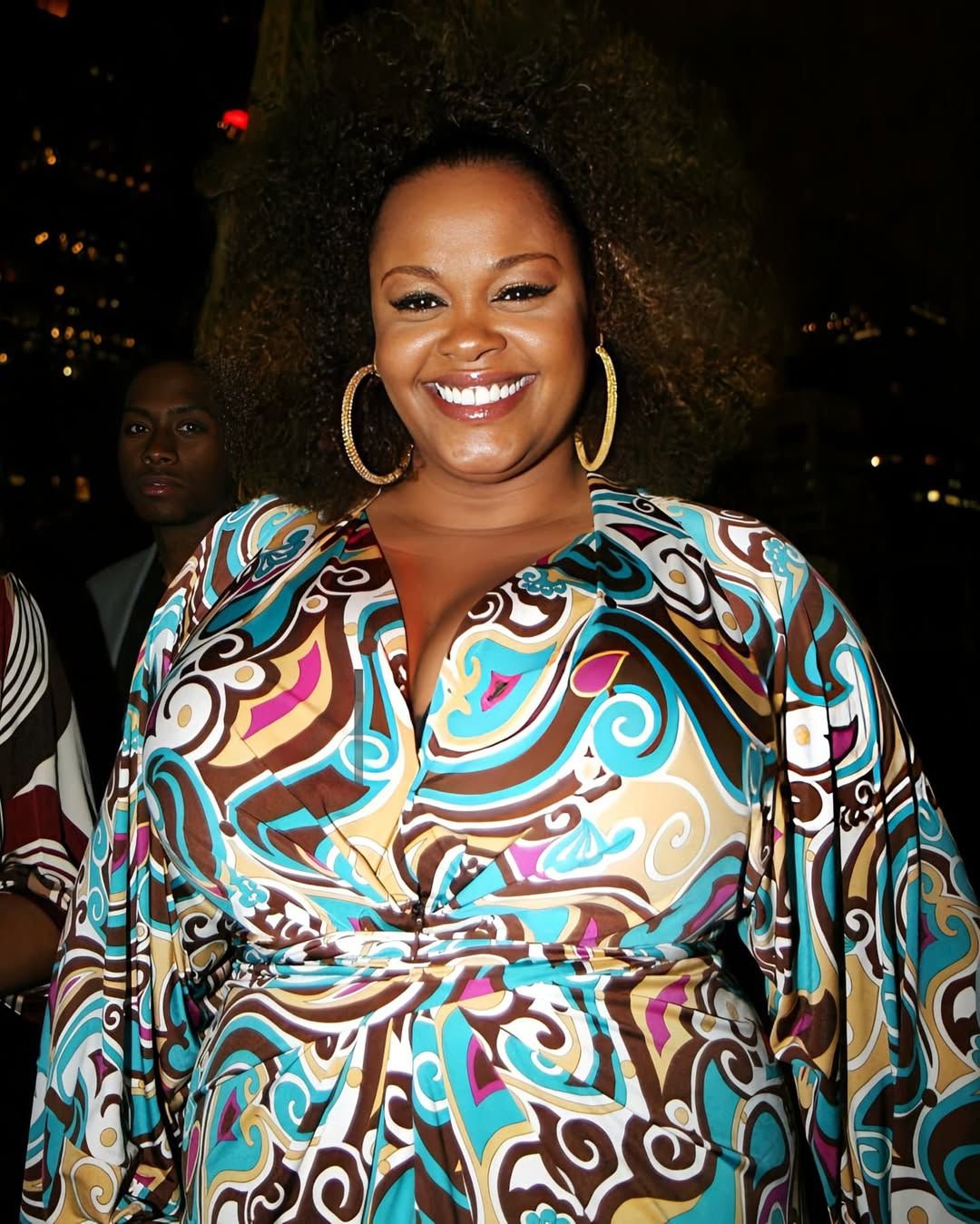
For many UK readers, Lyzel Williams’s name emerges in stories about soul singer Jill Scott. Yet, Williams’s own journey is one of creative accomplishment and a rare, resolute privacy amid the noise of celebrity culture. As trends in British web searches suggest growing curiosity about quieter figures with artistic influence, Williams’s life and work are worthy of a closer look. This article explores his evolution as a graphic designer, his creative impact, his high-profile marriage and divorce, and the lessons his path offers in living authentically beyond the limelight.
Early Life and Professional Foundations
Lyzel Williams was born and raised in the United States, coming of age in a culturally rich environment that nurtured both music and art. While the details of his early life remain mostly private—consistent with his low-key character—records confirm that Williams studied graphic design at The Art Institutes from 1990 to 1993, equipping him with the technical and conceptual foundation to excel in a competitive industry.
From the outset, Williams’s passion for art was clear. Friends and industry colleagues describe him as someone who treated creative work as both a craft and a form of self-expression. His early exposure to diverse artistic influences shaped a personal style marked by originality, detail, and adaptability.

A Career Dedicated to Design
Lyzel Williams has spent over two decades establishing himself in graphic design, primarily in the Philadelphia and New Jersey areas. His professional career includes pivotal roles as a Creative Design Specialist at Comcast Interactive Media, where he has worked since 2009, and as a Senior Graphic Artist for Intermedia Interactive Solutions from 1993 to 2002.
Even though his design work has not often made headlines, Williams’s contributions are appreciated in the creative industries. He is noted for skill in interface design, branding, and multimedia, adapting to the pace of digital change while upholding timeless design principles. His rare combination of technical proficiency and artistic vision has won respect from clients and collaborators alike.
His Marriage to Jill Scott: Love, Partnership, and Art
Williams first began dating Jill Scott in the 1990s, when both were establishing their professional identities. Their relationship lasted over a decade, with seven years of dating followed by six years of marriage. They wed in 2001, celebrating in a private Hawaiian ceremony that matched their shared preference for intimacy over ostentation.
Their partnership was not only romantic but also creative. Williams’s artistry reportedly inspired Scott, and their close bond is commemorated in her music—most notably in the song “He Loves Me (Lyzel in E Flat),” which she wrote for him. This period coincided with Scott’s meteoric rise in the soul and R&B world, with Williams supporting her during pivotal career moments.
The Challenges of High-Profile Love
Despite their mutual admiration and creative synergy, the marriage reached an end in 2007. The split generated widespread speculation, including tabloid stories and pop-culture retrospectives. In interviews, Scott described the growing strain in their relationship, notably citing as a turning point Williams’s refusal to eat her home-cooked food—a detail that, while anecdotal, became symbolic of deeper problems in their marriage.
He has never leaned on his connection with Scott for attention or career advancement, preferring to let his professional work speak for itself. Those close to him note his determination to focus on personal growth and creativity following the high-profile breakup.
Life Beyond Divorce: Embracing Privacy and Individuality
Since the divorce, Lyzel Williams has largely avoided publicity, limiting his appearances at industry events and refusing to comment publicly on his personal life. Friends and colleagues paint a picture of a dedicated designer who has quietly continued to innovate and work on projects that inspire him.
This appetite for privacy is rare in contemporary culture, where so many are chasing visibility and social media clout.
The Intersection of Art and Individualism
Lyzel Williams’s legacy is perhaps best understood as a fusion of professional artistry and steadfast individualism. By shunning the trappings of public celebrity, he has managed to maintain both a flourishing career in design and a life marked by autonomy. His story resonates especially with British readers who value self-reliance and authenticity as hallmarks of personal success.
He remains connected to music and visual arts, sometimes collaborating informally with peers and serving as a quiet mentor to younger designers. Through all these endeavours, Williams demonstrates that it is possible to leave a lasting impact without making noise.
Reflections and Takeaways
In a time when information about public figures is everywhere, Lyzel Williams offers an alternative model: let your work and principles define your legacy, not your proximity to the famous. His contributions to visual culture and commitment to craft have distinguished him in his field, but it is his preference for privacy—unusual among those who have brushed with celebrity—that is perhaps his most lasting mark.
Conclusion
Lyzel Williams’s life is a testament to quiet excellence, creative achievement, and the courage to choose privacy over spectacle. For UK readers tired of celebrity gossip and yearning for stories of substance, his journey is a compelling reminder: one can play a meaningful role in culture and creativity while moving to the beat of a different drum. As British society debates the downsides of overexposure and the value of integrity, Williams provides a refreshing blueprint for lasting, genuine influence.
Read more: loralee czuchna