

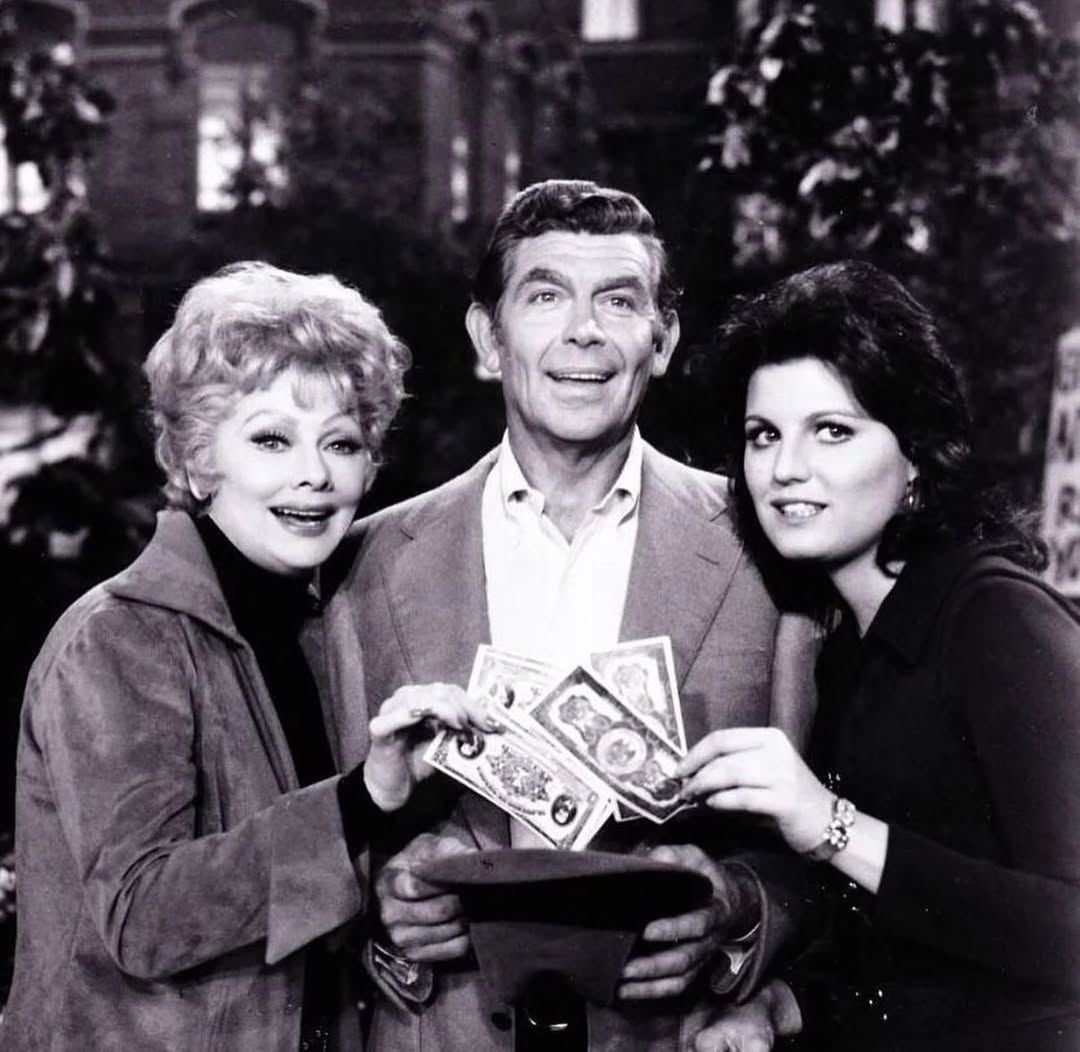
The world of classic American television is full of unforgettable personalities, but some of the most intriguing stories belong to those who remained just out of the spotlight. Loralee Czuchna is one such figure—best known not for her own career, but for her nine-year marriage to Don Knotts, the beloved comedic actor who brought Deputy Barney Fife to life on “The Andy Griffith Show”. As UK audiences show ongoing interest in the lives behind legendary entertainers, Loralee’s story provides a rare window into showbusiness, mental health, resilience, and the choices people make to guard their privacy.
Early Life: Private Beginnings
Public records reveal little about Loralee Czuchna’s early years. Born in the mid-1940s in Flint, Michigan, to Roman Munroe Czuchna, her background is typical of many who grew up far from the Hollywood limelight. There is no evidence she sought the attention that came later, nor that she aspired to public life. Instead, she entered the entertainment narrative by marrying Don Knotts, who by the 1970s was already an established comic actor.
The Marriage to Don Knotts
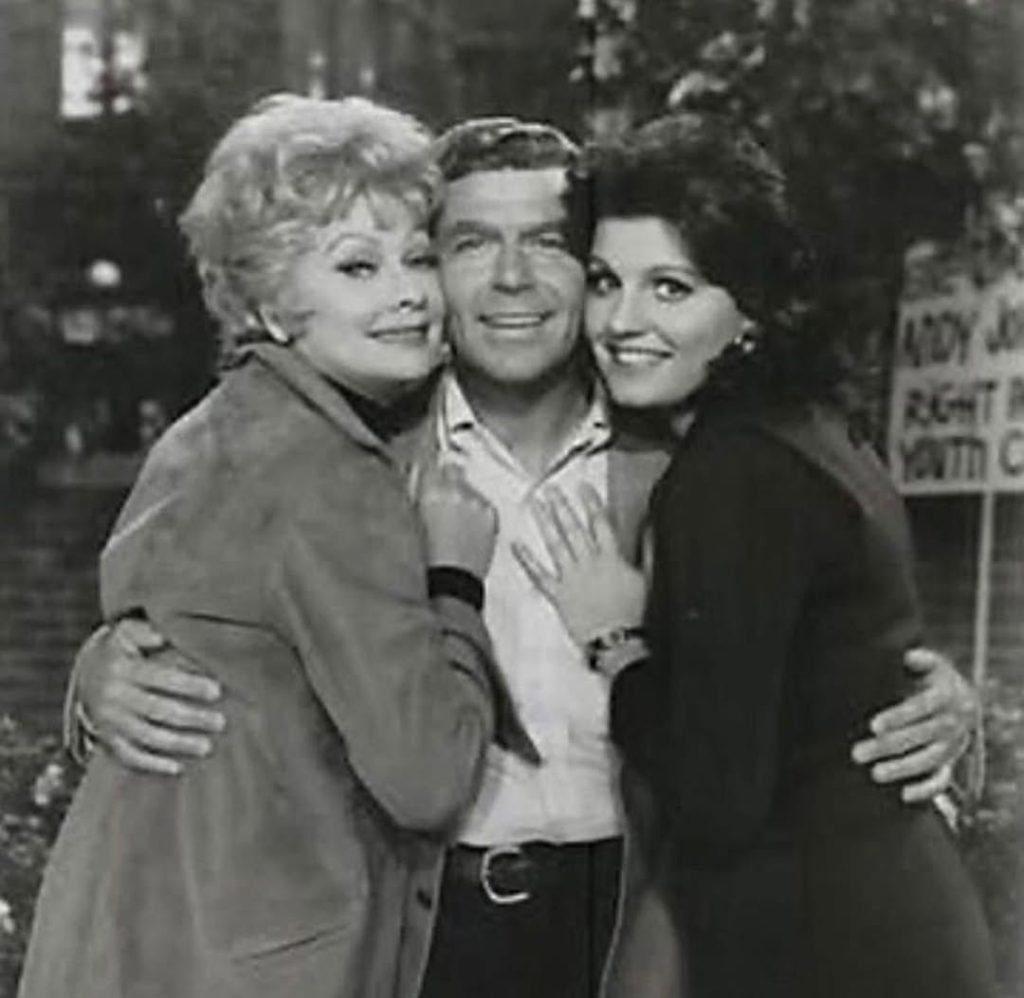
Loralee Czuchna met Don Knotts following the end of his first marriage. Their relationship resulted in marriage in October 1974, at a time when Knotts was redefining his career and life after his success on “The Andy Griffith Show”. The couple appeared together at numerous industry events and built a home during an era when Knotts was expanding his work in film and television.
However, the marriage was marked by personal and emotional challenges. Reports from sources close to the couple suggest Don Knotts suffered from bouts of severe depression, which placed considerable strain on their relationship. Knotts’s obsessive concern for his health and frequent mood changes reportedly deepened these challenges and ultimately contributed to growing distance between them.
Challenges, Divorce, and Life Beyond the Public Eye
Despite their efforts, the couple’s marriage ended in divorce in 1983. After nearly a decade together, Loralee Czuchna retreated further into private life, rarely if ever giving interviews or appearing in the media again. Knotts, for his part, would go on to marry one final time, but he consistently credited those closest to him for their support during his personal struggles.
For Loralee, the chapter with Don Knotts marked her only sustained period in the public gaze. She made the conscious decision not to capitalise on her connection to a Hollywood legend, instead preferring to rebuild her life in anonymity. She is thought to have remained out of public circles, and there is no public record of subsequent marriages or high-profile careers.
The Importance of Privacy
Loralee Czuchna’s preference for privacy is rare in the modern world of celebrity culture, where every detail is often scrutinised and shared. Her approach has been compared to the discretion maintained by some British public figures, respected for their ability to maintain boundaries despite proximity to fame. This path, though less glamorous, reflects a quiet strength and a belief that personal lives need not be lived on centre stage to be meaningful or important.
Her Place in Pop Culture Memory
While not a celebrity herself, Loralee Czuchna occupies a unique place in the history of American television—seen in photographs beside Knotts at awards celebrations, and referenced occasionally in documentaries about his life. For fans of “The Andy Griffith Show” or students of television history, she serves as a reminder that personal stories lie behind every public triumph and struggle. Her willingness to support Knotts through times of ill health and self-doubt adds context to the complicated lives led by those in the entertainment industry.
Reflections on Partnership and Mental Health
The most remarkable aspect of Loralee Czuchna’s public narrative is the frankness with which issues of mental health are discussed in relation to her marriage. While many biographical accounts of Don Knotts focus on his humour and on-screen charm, behind the laughter were genuine battles with anxiety and depression. Loralee’s presence during these challenging years suggests both the difficulties and rewards of supporting a loved one dealing with mental health struggles—a topic now finding long-overdue public attention in both the US and the UK.
Conclusion
Loralee Czuchna, though never the subject of tabloid headlines or public accolades, remains an essential part of Don Knotts’s story and a quiet participant in the history of American television. Her life offers lessons in discretion, resilience, and the dignity of private struggle. For UK readers fascinated by the untold stories behind celebrated figures, Loralee’s journey stands as an important reminder: the people who support, nurture, and sometimes choose distance from fame help shape the stories we remember, but their own lives are just as worthy of respect—even, or especially, when lived away from the limelight.
Read more: charity nye