

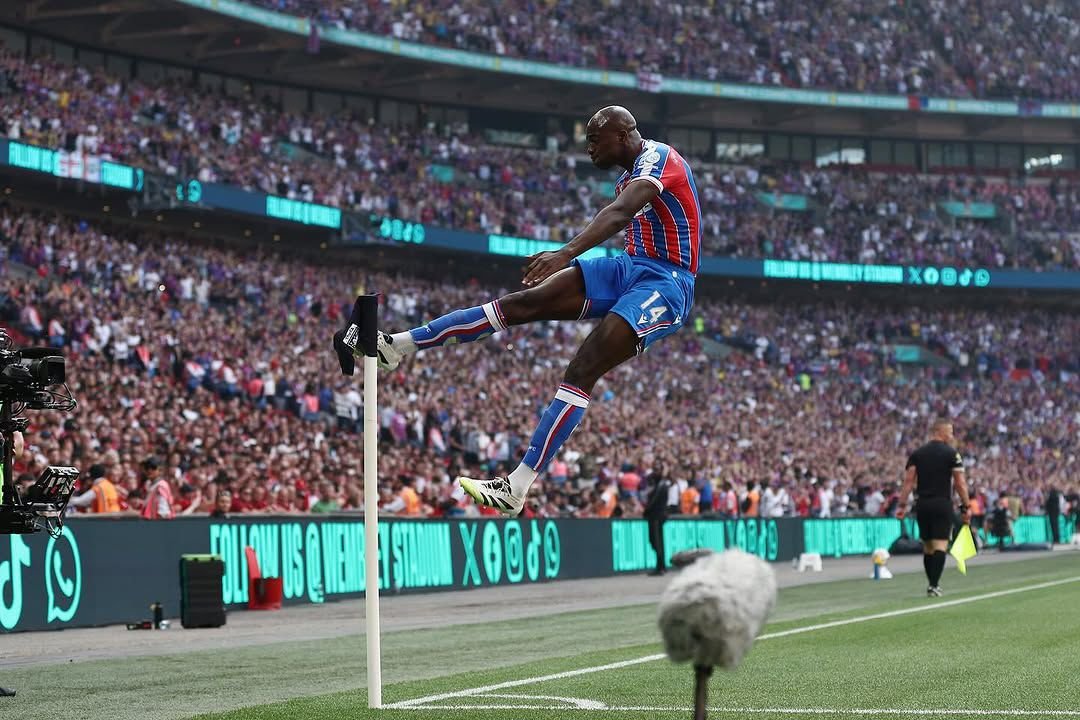
Jean-Philippe Mateta’s journey from promising prospect to one of the Premier League’s most effective strikers is powering Crystal Palace’s ambitions and dominating football conversations in 2025. The Frenchman, once seen as a squad filler, has emerged as the centrepiece of manager Oliver Glasner’s revolution at Selhurst Park. As media in the UK continues to buzz with his name and transfer chatter swirls, Mateta’s story encapsulates the unpredictable magic and relentless demands of top-flight English football.
Mateta’s Key Role in Palace’s Post-Cup Renaissance
Since Oliver Glasner took over managerial duties in February 2024, Mateta has flourished. In a year and a half, he has scored 27 Premier League goals—an achievement that ranks him fourth in the league during this period, trailing only Mohamed Salah, Erling Haaland and Alexander Isak. This goalscoring spree marks an extraordinary transformation for Mateta, who had netted just 11 times in 80 matches prior to Glasner’s arrival. Mateta’s improvement isn’t just about numbers; he has become crucial to Palace’s attacking identity and tactical flexibility, providing consistent output when needed most.
The partnership between manager and player has created a chemistry few foresaw. Mateta now averages a goal every 137 minutes, a drastic improvement from a previous return of one goal every 305 minutes. He has also become a mainstay in Glasner’s line-ups, boasting the most minutes played by any Palace player since early 2024. These statistics underline his value not just as a scorer but as a physically robust and reliable frontman for a side with European ambitions.
The Headline Moments: Trophies, Records, and Resilience
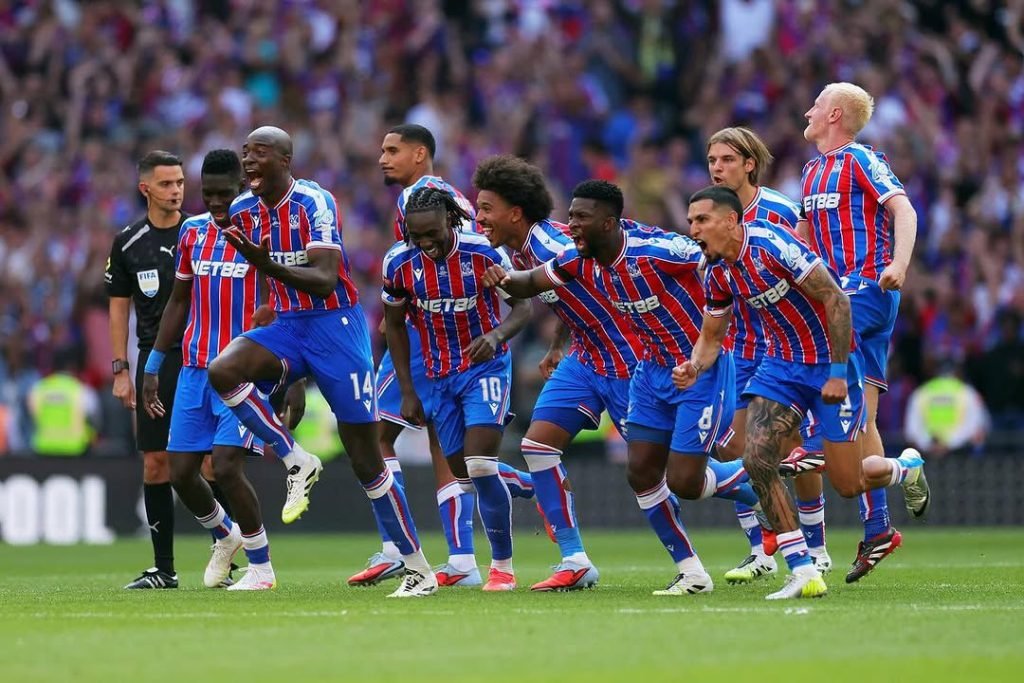
Mateta’s impact was plain for all to see during Crystal Palace’s historic 2024–25 campaign. He helped secure the club’s first-ever major trophy, setting up the winning goal in Palace’s 1–0 FA Cup final triumph over Manchester City on 17 May 2025. That performance at Wembley symbolised both Mateta’s evolution and his importance to the new era at Selhurst Park.
Earlier that spring, Mateta sparked headlines after suffering a gruesome head injury in an FA Cup clash against Millwall. Kicked in the side of the head while challenging for the ball, he needed 25 stitches and spent time in hospital, but returned resilient, insisting he wouldn’t let the incident define his season. The incident drew widespread support from fans and sharp criticism of dangerous play from Palace’s chairman and manager, but Mateta’s resolve prevailed.
Mateta finished the 2024–25 season with 16 Premier League goals—a personal and club best since his arrival. He also broke club records, including scoring in six consecutive top-flight home games and becoming Palace’s second-highest Premier League scorer of all time.
Transfer Rumours and Palace’s Stance
With success comes interest, and this summer Mateta has been the subject of major transfer speculation. Atalanta bid £30million for the striker—a proposal swiftly turned down by Crystal Palace, who value Mateta at £50million or more and are determined to keep him as they build on FA Cup glory. Reports suggest manager Glasner views Mateta as irreplaceable in his plans, while the board is actively trying to negotiate a new contract, despite the forward having two years left on his current deal.
Top Premier League clubs, including Liverpool, have explored signing Mateta but have so far held back, given Palace’s asking price and his vital role within the squad. Transfer experts point out that, in an inflated striker market, Palace would struggle to replace both Mateta’s output and presence in the dressing room at this late stage. Glasner’s reluctance to lose such a key player while striving for European places echoes the sentiment among Palace’s loyal supporters.
A Closer Look at Mateta’s Playing Style and Contribution
Standing at 1.93m, Mateta combines traditional number-nine strength with a deft touch and smart positioning. His hold-up play allows Palace’s creative midfielders—and particularly Eberechi Eze—to thrive, contributing to the team’s increasingly dynamic attack. Mateta’s ability to turn quickly in the box, frequently finish with either foot, and outmuscle defenders makes him an all-round threat.
His work rate also draws praise. Data from the last season shows that Mateta averaged 1.5 key passes per match and led Palace’s press in most fixtures, reflecting Glasner’s modern, high-tempo approach. Notably, his post-injury form did not dip; he scored eight goals in his first eight fixtures of 2025 following his return.
Fan Reaction and the Bigger Picture
Among Palace fans, Mateta’s name is now sung with genuine affection. His journey—marked by injury, perseverance, and breakthrough performances—mirrors the underdog spirit that has long defined the club. For a Premier League side seeking stability among England’s elite, Mateta embodies the resilience and ambition now central to Palace’s identity.
Supporters and pundits agree: keeping Mateta is essential for Palace’s hopes of staying competitive. His combination of hard work, technical skill, and unshowy professionalism sets a benchmark for teammates and future signings alike.
Looking Ahead: Mateta’s Legacy in the Making
As the 2025–26 season gets underway, the future of Jean-Philippe Mateta is intertwined with Palace’s ambitions. Whether leading the attack in another push for European football or riding out speculation during the inevitable transfer saga, Mateta has firmly established himself as one of the league’s most dependable and dynamic strikers.
With a keen eye for goal, remarkable mental resilience, and the adoration of both manager and supporters, Mateta’s relentless rise looks set to continue—for Crystal Palace and, perhaps one day, other leading clubs in Europe.
Read more: steve parish