

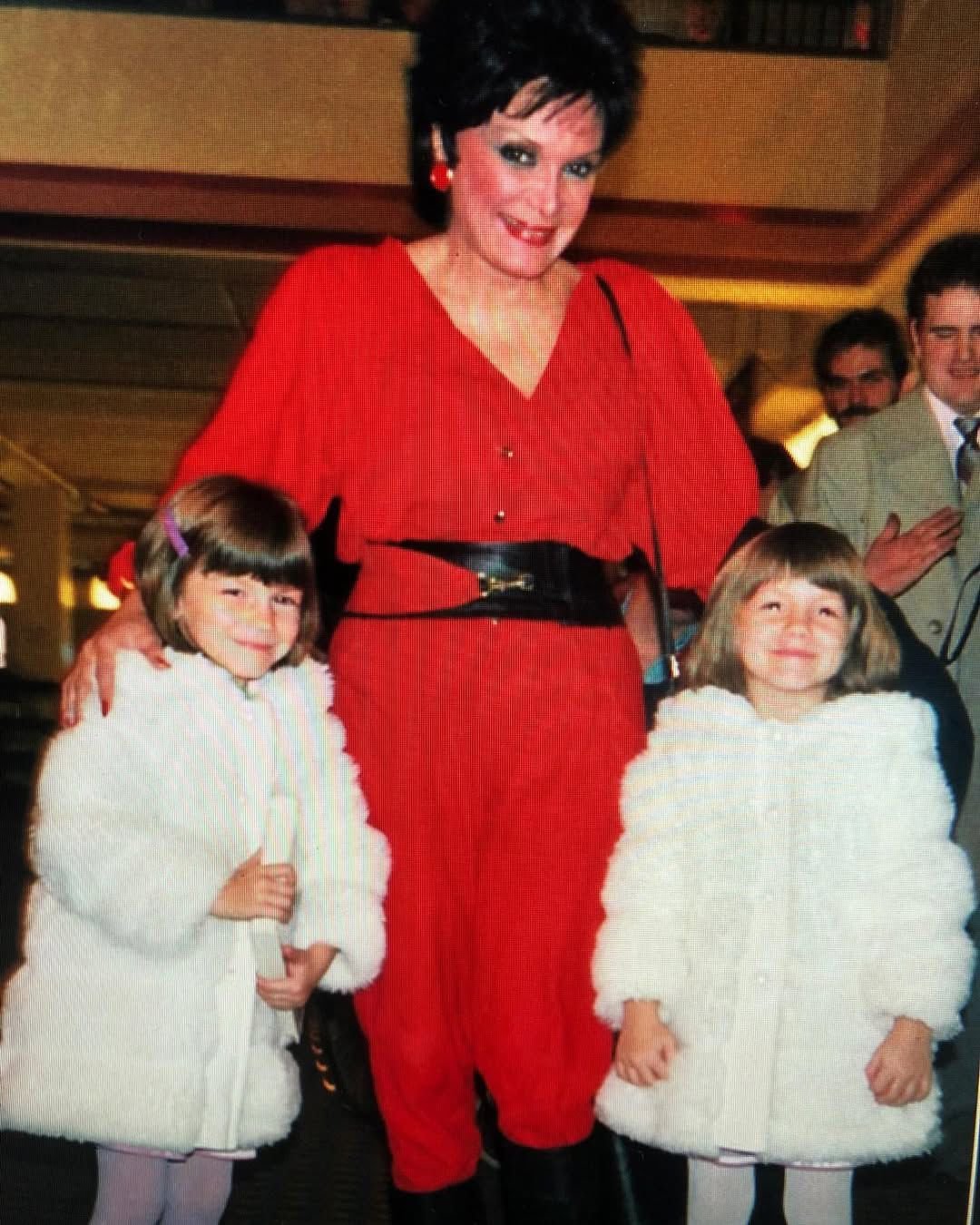
Jean Christensen’s story has captivated the public in the UK and beyond, gaining renewed attention thanks to the enduring cultural impact of her husband, André the Giant, and the surge in wrestling nostalgia across media and social platforms over recent years. Yet, what remains so fascinating is how Jean, once an integral figure behind the scenes of the wrestling world, managed to retain an air of mystery and dignity in the face of relentless public curiosity. This article explores her life, her legacy, and her unique role in British public discourse today, informed by current trends and the latest available data.
Early Life and Humble Beginnings
Though much of Jean Christensen’s formative years remain hidden from the public eye, it is widely understood that she was born and raised in the United States, coming from a modest background. Details about her childhood are scarce, but sources emphasise her early independence and professional ambitions, which set the stage for her later life in the gritty, showbiz-adjacent world of professional wrestling. In an era when women’s professional opportunities were far more limited than today, Jean made her mark as a public relations professional, quietly building a reputation for hard work and determination.
Career in the Wrestling Industry
Jean Christensen’s professional journey began long before she crossed paths with André the Giant. Far from being just a figure in the background, Jean carved out a niche within wrestling’s complex and demanding environment, working in public relations and managing wrestler appearances as well as media relations. This behind-the-scenes work placed her at the heart of a growing entertainment industry and introduced her to some of the biggest names of the golden age of wrestling.
Her ability to navigate this male-dominated landscape was particularly notable. The wrestling industry in the 1970s and 1980s offered few seats at the table for women, especially in roles that straddled both entertainment and business management. Jean’s resourcefulness and quiet resilience in maintaining professionalism set her apart and won her respect within a notoriously tough crowd.

Meeting André the Giant
Fate drew Jean Christensen into the orbit of André René Roussimoff, beloved as André the Giant, one of wrestling and cinema’s most enduring icons. Their relationship began through professional encounters, but quickly developed into a partnership characterised by mutual respect and genuine affection. Despite André’s legendary stature—he stood at seven feet four inches, casting a literal and metaphorical shadow over the world—Jean was never overwhelmed by his fame. Instead, she became a calming influence, helping André manage both the demands of worldwide celebrity and the serious health issues that would eventually define the latter stages of his life.
Their union became an object of fascination in the UK and across the world. At a time when celebrity couples were less marketable commodities than they are now, Jean and André’s relationship offered a rare glimpse of what life looked like behind the scenes for those at the pinnacle of popular culture.
Family and Lasting Legacy
Beyond the glare of the celebrity spotlight, Jean Christensen focused on her own ambitions and her responsibilities as a mother. She and André had one daughter, Robin Christensen-Roussimoff, born in 1979. The family spent much of their private life shielded from the public, with Jean working hard to offer both her daughter and husband a sense of normalcy unattainable for many celebrity families of the era.
After André’s untimely death in 1993, at only 46 years old, Jean receded further from public life. She chose privacy over publicity, declining countless interviews and offers, demonstrating a quiet strength that has come to be associated with her legacy among wrestling fans and cultural historians alike. Jean reportedly passed away in the early 2000s, leaving behind a legacy that continues to intrigue and inspire.
Women in British Sport Management: Context and Relevance
Jean Christensen’s experience in wrestling’s organisational side can be viewed in the broader context of British women’s growing prominence in sports leadership roles. According to the most recent data from Women in Sport, only about 20% of board members in UK sports organisations are women, though this figure rises annually as media interest and public demand for gender representation intensify. Jean’s path highlights the parallel struggles and achievements of many British women, such as those making waves in the Football Association, Rugby Football Union, and the Royal College of Nursing, where clinical and educational leaders like Jean Christensen (a separate UK-based professional with the same name) continue to challenge the status quo.
Modern Resurgence of Interest
Google search trends and social media analytics show a fresh surge in public interest in Jean Christensen’s life and her connection to wrestling’s golden age, especially amidst recent wrestling documentaries released on UK streaming platforms and the anniversary commemorations of classic wrestling events. Many Britons discover Jean’s contributions through these popular channels, drawing lessons in resilience, discretion, and courage from her example.
Conclusion
Jean Christensen’s journey from humble beginnings to the heart of cultural history offers a unique perspective on the unsung heroes behind major entertainment figures. She serves as a reminder of the importance of resilience, privacy, and professional integrity. These are values that resonate deeply with the UK public, especially at a time when discussions about women in leadership, sports, and public life are more relevant than ever.
Her legacy invites reflection on the changing roles of women in the workplace and the enduring power of maintaining dignity in the face of overwhelming publicity. For many in the UK, Jean Christensen remains both a historical figure and a source of quiet inspiration.
Read more: nimesh patel wife