

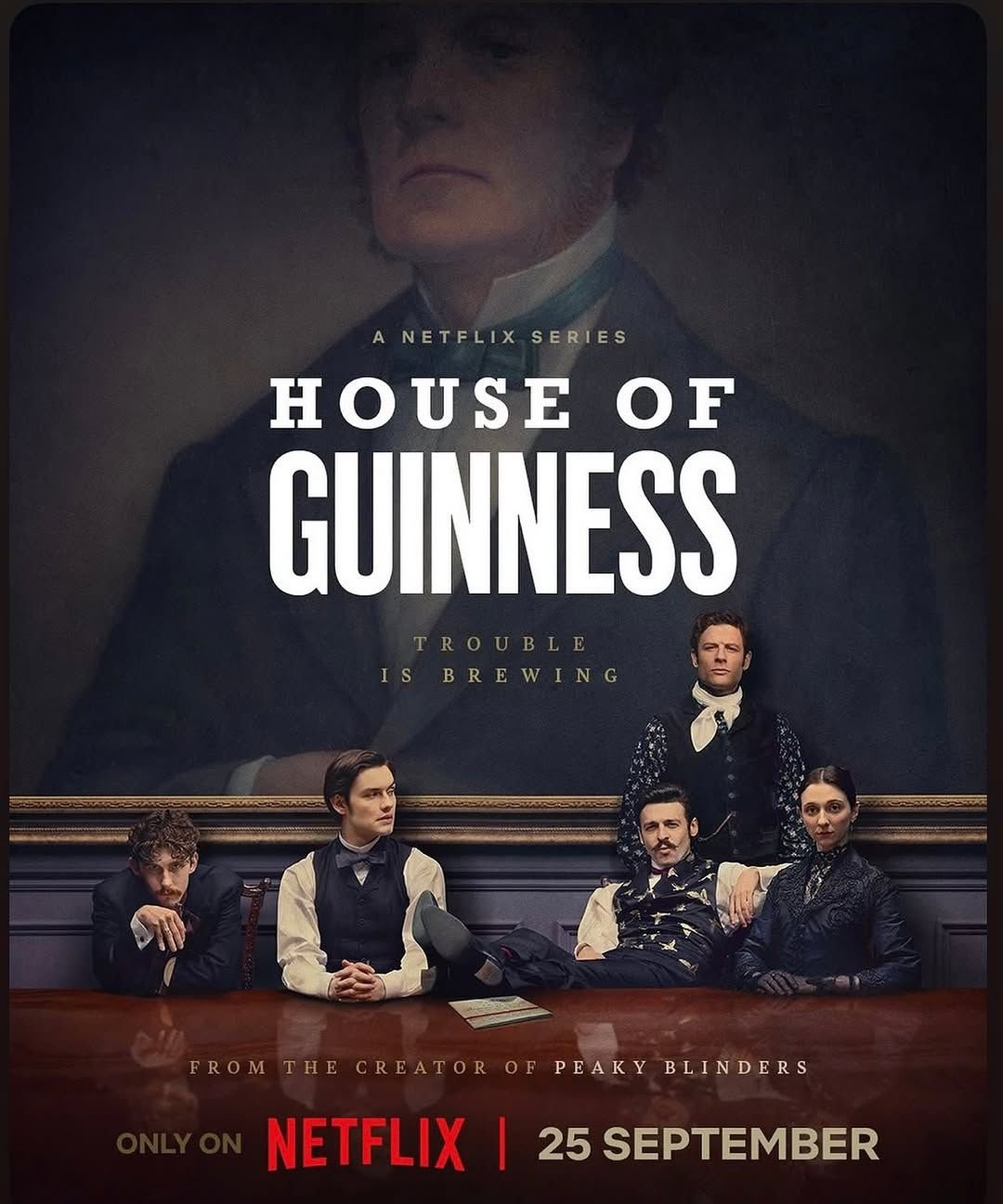
Netflix is set to spark conversations in the UK with the highly anticipated drama series, House of Guinness, premiering on 25 September 2025. Bringing the legendary story of the Guinness brewing dynasty to modern audiences, this series promises both sweeping intrigue and fresh relevance for British viewers hungry for historical drama rooted in iconic European heritage.
A Dynasty Drama: What Is House of Guinness?
Created by Steven Knight, famous for BBC’s Peaky Blinders, House of Guinness is an epic tale inspired by the historic Guinness family. Set in 19th-century Dublin and New York, the series unfolds immediately after the death of Sir Benjamin Guinness—the architect behind the world-renowned Guinness brewery’s success. The narrative centres on the will he leaves behind and the ripple effects it causes within his family and among the people whose lives shape and are shaped by Guinness.
The story follows four adult children of Sir Benjamin—Arthur, Edward, Anne, and Ben—as they grapple with inheritance, ambition, and the social turmoil of their times. Alongside main family figures, the show spotlights a cast of Dublin locals entangled in the brewery’s orbit, ensuring viewers see the brand’s influence on all levels of society.
Cast and Creative Team
Netflix has assembled a standout cast for House of Guinness: Anthony Boyle as Arthur Guinness, Louis Partridge as Edward Guinness, Emily Fairn as Anne Plunket (née Guinness), and Fionn O’Shea as Benjamin Guinness. High-profile actors such as James Norton, Dervla Kirwan, Jack Gleeson, Niamh McCormack, and Danielle Galligan round out the supporting ensemble. The show is directed by Tom Shankland (whose credits include The Serpent, Wisting) and Mounia Akl, with creative production partnerships from Kudos and Nebulastar.
Industry insiders note that the series builds on visual and thematic traditions established by shows like Peaky Blinders, marrying rich period detail with family rivalry, ambition, and social change. Netflix released striking first-look images this week, evoking comparisons to the Shelbys of Channel 4 and BBC’s hit gangster drama but set against the sepia-toned backdrop of Guinness’s legacy.

Guinness in the UK: Beyond the Screen
House of Guinness lands at a time when the Guinness brand is experiencing renewed enthusiasm across the UK. Known for its association with Irish culture, the drink has become ever more popular with British consumers, showing double-digit market growth and adding some 3.8 million new UK drinkers since 2019.
Guinness’s sales in British pubs, especially at chains like Wetherspoons, have surged in 2025. The iconic “black stuff” now ranks as the number one beer for football fans, following Guinness’s partnership with the Premier League—a move that expanded its reach and cemented its spot as a community favourite. Guinness 0.0, the non-alcoholic variant, is now the UK’s top-selling alcohol-free beer, reflecting modern drinking trends and helping broaden the beer’s appeal to younger and health-conscious audiences.
Despite its recent commercial success, Guinness’s parent company, Diageo, has faced its own turbulence, with share prices down by 29% so far this year. A sudden change in leadership has made headlines, although analysts remain optimistic about Guinness’s position as the star performer in the drinks giant’s multi-brand portfolio.
The Guinness Experience: Tourism and Legacy
Interest in Guinness extends well beyond the pint glass. The Guinness Storehouse in Dublin remains one of the top experiences for British travellers, with over 50,000 annual UK visitors. Reviews from the summer of 2025 described the museum as immersive, educational, and family-friendly, blending multimedia history with tastings and city views that capture the spirit of both the stout and the city that birthed it.
Community, Campaigns, and Contemporary Culture
In addition to entertainment and tourism, Guinness continues to invest in grassroots British sport, culture, and community. Its “Lovely Day for a Guinness” campaign, narrated in part by former footballer Gary Neville, epitomises the brand’s rapport with football supporters and its relevance to British rituals and celebrations. Guinness’s partnership with leading Premier League clubs, including Arsenal, Aston Villa, and Newcastle, ensures millions of supporters see Guinness as central to their matchday experience.
Guinness has also made strides with social responsibility, promoting inclusion and supporting local causes as part of its brand ethos. These efforts, wrapped in rich storytelling and strong partnerships, deepen its links with British culture—and set the stage for the drama House of Guinness to resonate strongly this autumn.
Why House of Guinness Matters in the UK Now
For British audiences, House of Guinness offers more than just history or drama. It probes themes of inheritance, ambition, class, and legacy—issues that resonate in the UK from boardrooms to local pubs. The show arrives as more households, pubs, and social spaces celebrate Guinness’s evolving place in contemporary British life.
Netflix’s investment in high-quality period drama reflects the ongoing appetite for stories grounded in heritage but relevant to modern challenges.
Final Thoughts: Pouring New Life Into an Old Name
As House of Guinness premieres, the Guinness brand stands at the crossroads of the past and the future—honouring tradition while reinventing itself for new generations. The drama promises gripping family intrigue set against the rise of an enduring icon in the beer and business worlds. For UK viewers, it’s a chance to discover the story behind their favourite pint and reflect on how heritage, ambition, and community remain the ingredients of great British storytelling.
Read more: morgan guilavogui