

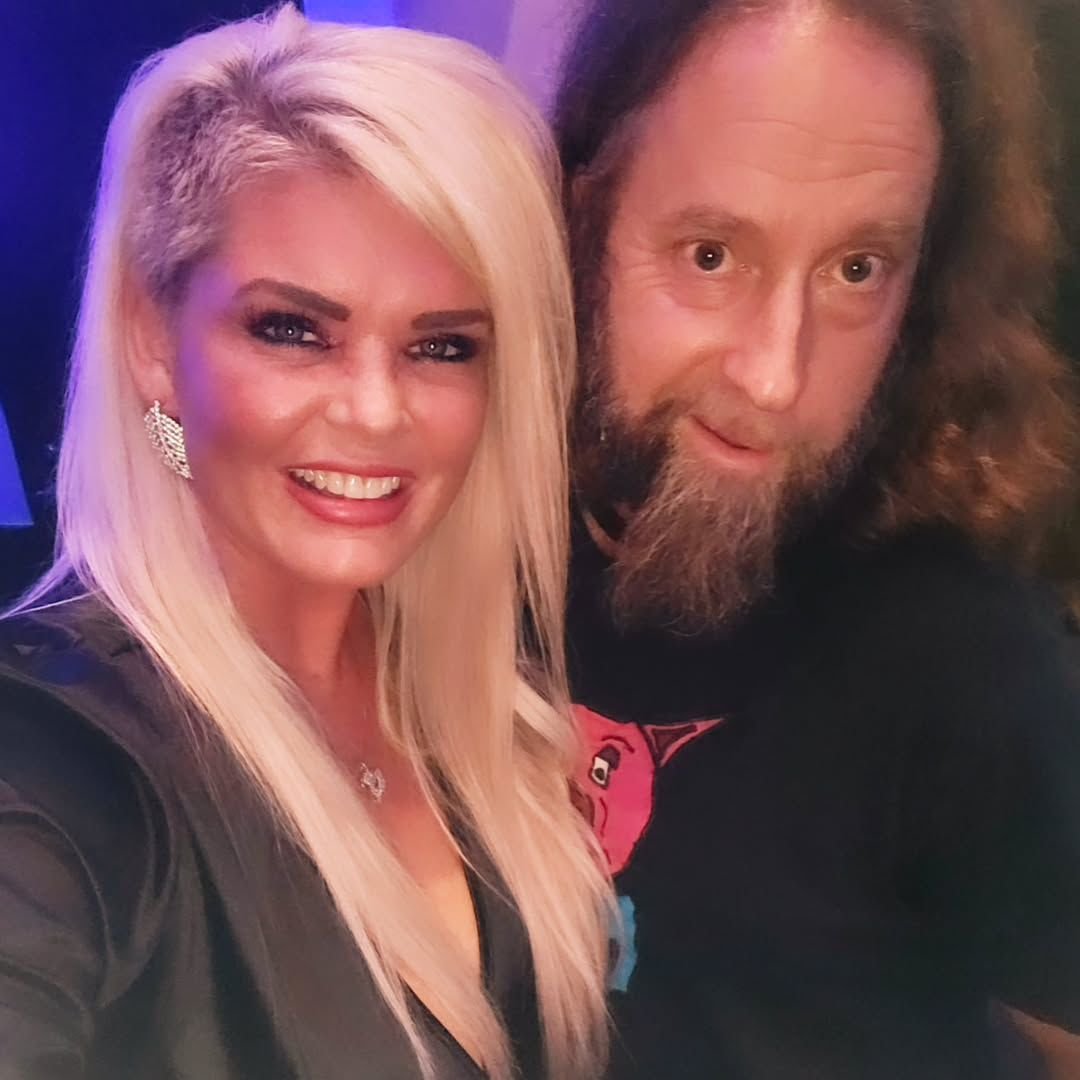
Gavy Friedson has emerged as an influential figure in international emergency services, rapidly gaining recognition within UK news circles due to his humanitarian impact and expertise in crisis management. As Director of International Emergency Management and Global Ambassador for United Hatzalah of Israel, Friedson’s contributions extend beyond borders and serve as a poignant example of contemporary heroism.
Early Ambitions and Training
Born in Boca Raton, Florida, Friedson’s life pivoted to emergency response after relocating to Israel at a young age. He holds academic degrees in communications and public health, with a specialised focus on emergency and disaster management. His career began early as a volunteer medic, where he quickly discovered a passion for rapid first response and humanitarian work.
Friedson’s experience is deeply rooted in practical training, having volunteered for more than a decade and responded to thousands of medical emergencies. This background makes him particularly relevant for the UK public, who value effective public safety structures and crisis readiness.
Humanitarian Leadership and Global Impact
Friedson’s work at United Hatzalah highlights his dedication to lifesaving missions across continents. United Hatzalah is a volunteer-based emergency medical service renowned for utilising advanced technology and a network of trained professionals to dramatically reduce response times. Under Friedson’s leadership, the organisation has built its reputation as one of the fastest emergency response teams globally, with average arrival times under three minutes—and often less than 90 seconds in urban areas.
In 2024, United Hatzalah partnered with UK NGOs to pilot community-based medical response units in high-density cities. These collaborations underscored the importance of Friedson’s global approach, as UK local governments consider innovative strategies to address both mass casualty incidents and everyday health emergencies.

Military Service and Resilience
Friedson’s military background with the Israel Defense Forces provides further depth to his expertise. Serving in the elite Nahal Infantry Brigade and later as a spokesperson, Friedson managed high-pressure, high-stakes situations. His experiences offer valuable insights for UK audiences, especially as the country continues its own journeys through public safety reforms, disaster management challenges, and international humanitarian coordination.
Military and civilian service have forged Friedson’s commitment to resilience—an attribute increasingly sought in UK emergency response initiatives. His story of volunteer service resonates with British readers familiar with the value of community volunteers, from lifeboat rescue teams to NHS ambulance drivers.
Technology in Saving Lives
Gavy Friedson has consistently championed the use of new technology in emergency medical care. United Hatzalah’s model leverages GPS-linked networks and specially equipped motorcycles to reach the site of incidents before traditional ambulances can arrive. In conversations with British media, Friedson highlighted how these methods have transformed emergency medical care and could be adapted to busy UK metropolitan environments.
As Britain modernises its healthcare infrastructure, Friedson’s strategies have gained traction among public health experts. Recently published NHS analyses show that advanced dispatch systems, volunteer networks, and rapid-response vehicles can significantly reduce mortality rates during heart attacks, accidents, and public health crises.
Public Recognition and Personal Life
Gavy Friedson’s humanitarian achievements have not gone unnoticed in the UK. His public speaking engagements and workshops regularly attract leaders in British emergency services. Friedson’s approach is humble, focusing more on the power of community and team effort than individual accolades.
Though most coverage centres on his professional achievements, Friedson’s personal story also garners interest. His marriage to journalist Katie Pavlich is less often discussed in British outlets, which tend to spotlight heroism and public service over personal celebrity. This reflects the UK public’s growing desire for substance and impact in news stories.
Lessons for the UK
Friedson’s story embodies principles admired throughout Britain: selflessness, innovation, and resilience. UK emergency management experts increasingly advocate for broader volunteer involvement and integration of technology to speed up the “golden hour”—the critical period after an emergency where rapid action saves lives.
His global ambassador role for United Hatzalah continues to shape policy and practice. Friedson’s emphasis on international collaboration and coordinated response mirrors British calls for more agile and inclusive public health systems in today’s dynamic global environment.
Conclusion
Gavy Friedson stands as a paradigm for modern humanitarian leadership, combining experience, technology, and compassion to revolutionise emergency services. Britain’s renewed focus on public safety finds inspiration in his achievements and the collaborative model he champions. As the UK looks ahead, Friedson’s story reminds readers that meaningful change arises from dedicated individuals who mobilise communities for the common good.
Read more: amy havel patel