

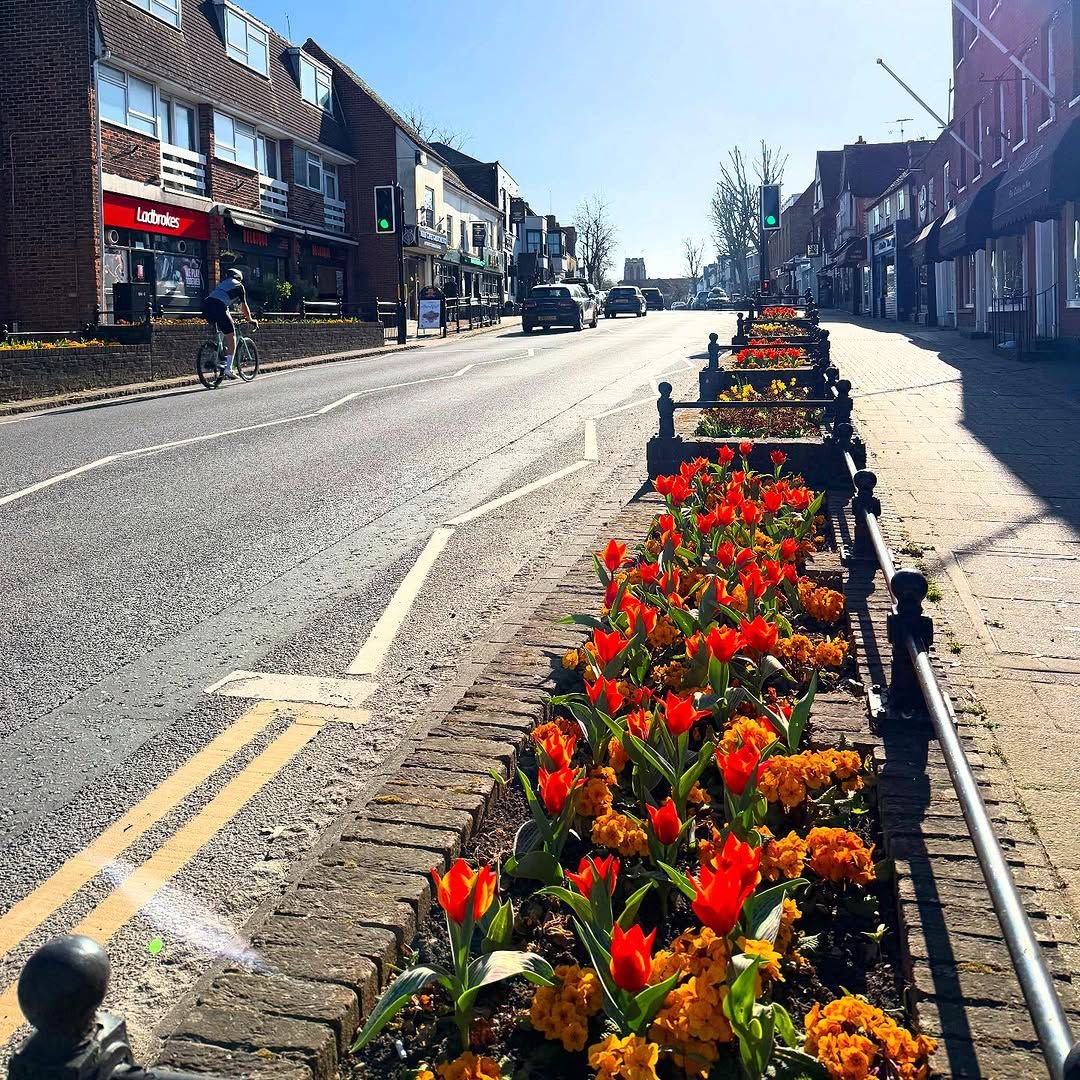
Epping, a picturesque market town on the edge of Essex and London’s boundaries, is best known for its tranquil countryside, the historic Epping Forest, and its thriving high street. However, recent months have thrust Epping into national headlines for reasons far removed from its calm reputation. In 2025, the town has found itself at the centre of heated debates concerning asylum policy, community safety, and social cohesion, transforming local politics and sparking wider discussion about Britain’s response to national challenges.
The Asylum Seeker Hotel Controversy
One of the defining issues in Epping this year has been the use of local hotels, notably The Bell on the High Street, to house asylum seekers. The government’s reliance on hotels as temporary accommodation has stirred controversy across the UK, but the situation in Epping became a flashpoint after an asylum seeker was arrested on serious charges, leading to heightened tensions and protests outside the hotel. Initially peaceful, these demonstrations soon escalated—drawing far-right activists and sparking anti-racism counter-protests. Violent clashes resulted in multiple arrests and drew a large police presence to the normally quiet town.
Epping Forest District Council responded by securing a High Court injunction in August, compelling the hotel to cease housing asylum seekers by 12 September. This legal move followed not only public outcry but also a sense of lawlessness reported by residents and local leaders. Council leader Chris Whitbread expressed disappointment over the disorder but thanked police for their handling of the situation, making it clear that while peaceful protest is a right, violence has no place in Epping’s civic life. The court’s decision, hailed as a “victory” by some political groups, has prompted ministers to brace for similar legal challenges across the country.
Social Division and Community Response
For many Epping residents, the events have been disorienting. Locals described themselves as shocked to see their “chilled” community so rapidly transformed by outside agitation and viral misinformation. Small business owners and high street workers voiced concern about the effect on local trade and Epping’s image as a welcoming town. Anti-racism activists have maintained a presence, organising counter-demonstrations and promoting inclusion.
Epping’s experience illuminates national anxieties: how to balance the needs and rights of vulnerable people seeking sanctuary with the legitimate concerns of communities over safety, cohesion, and the integrity of public spaces. Experts warn that social media and misinformation can fan the flames of division, making clear communication and community engagement more vital than ever.

Crime and Community Safety
Epping’s recent surge in public attention has included wider concerns about crime and community safety. Police reported an increase in anti-social behaviour, particularly related to hotel protests and wider tensions. The force condemned “thugs and vandals” whose actions disrupted local life and highlighted the need for a collaborative effort from residents, councils, and law enforcement to restore order and uphold peaceful demonstration.
Economic and Civic Life: A Broader Picture
Beyond the headlines, Epping’s local economy remains robust, supported by a bustling high street, market days, and a network of micro businesses. The biggest employer in the district is the construction sector, though retail, hospitality, and tourism also play significant roles. Epping Forest District Council has maintained its focus on supporting rural economiс growth, enhancing public transport and digital infrastructure, and improving skills and training for local residents.
Town leaders are optimistic that Epping’s diversity and entrepreneurial spirit—bolstered by the area’s proximity to London and Cambridge—will help the town weather periods of national turbulence. Efforts to boost tourism and the visitor economy, from the historic Epping Ongar Railway to modern leisure facilities, continue to attract travellers and families from across the UK.
Housing, Infrastructure, and Planning
Epping’s location on the edge of metropolitan London has brought both opportunity and challenge in terms of housing development, infrastructure, and local planning. The Local Development Scheme adopted in 2023 set forth ambitious plans for new homes and town centre revitalisation, looking to balance growth with environmental protection. The council’s emphasis on integrating housing, business, and infrastructure reflects government policy aiming for sustainable communities nationwide.
Housing Pressure and Affordability
Housing remains a major talking point in Epping. The town’s desirable location on the Central Line has led to rising demand and steady price increases, placing pressure on local affordability. Recent council schemes have aimed to build hundreds of new homes while safeguarding Epping’s unique green spaces and market town character.
Education and Health Services
Local schools and health centres have seen increased demand amid ongoing population growth. Epping Forest District Council has worked with NHS partners to expand GP and emergency care facilities, while continuing to invest in local school infrastructure to meet rising educational needs.
Environmental and Green Spaces
Epping Forest itself is a nationally important ancient woodland, providing recreation, biodiversity, and tourism appeal. Council plans prioritise the protection of these green spaces while responsibly managing new development.
Epping’s ability to adapt and grow, balancing tradition with change, ensures it remains a vibrant community within the Essex region and a bellwether for similar towns across the UK.
Looking Forward: Lessons for Epping and the UK
Epping’s recent experiences present a microcosm of wider British trends—a community grappling with the pressures of rapid change, global migration, and shifting political landscapes. The town’s contrasting reactions—from peaceful protest and civic activism to incidents of unrest—offer important lessons in dialogue, resilience, and local democracy.
Local authorities have called on the Home Office to consult more meaningfully with councils before placing asylum seekers in rural towns, underlining the need for national and local partnership in shaping responses that work for everyone.
Conclusion
Epping today is a town transformed: deeply rooted in history, yet shaped by forces far beyond its green borders. How it navigates challenges around migration, community cohesion, and economic change will resonate well beyond Essex—and offer guidance for communities across the UK in the years ahead.
Read more: nigeria vs congo