


Driving rules in the UK are undergoing significant changes in 2025, with the Driver and Vehicle Licensing Agency (DVLA) announcing several new measures that affect millions of motorists nationwide. From digital licences and increased medical checks to updates for older drivers and international licence exchanges, these reforms mark a new era for road safety, privacy, and convenience in Britain. This article reviews the latest facts, expert opinions, and official guidance surrounding DVLA driving licence changes, ensuring you are well-prepared for the year ahead.
Digital Driving Licences: The Biggest Shift Yet
Towards the end of 2025, the UK government will roll out digital driving licences for the first time, allowing motorists to access a secure digital version of their licence via the GOV.UK Wallet smartphone app. This move aims to make interaction with public services more efficient, letting users check their renewal dates and driving record from their phones.
Digital driving licences are entirely optional. Some countries, such as Australia and Norway, have already adopted digital IDs, making this UK shift a logical next step. The new digital system brings enhanced security with two-factor authentication and smartphone biometrics as standard.
Transport Secretary Heidi Alexander stated, “This is a game changer for the millions of people who use their driving licence as ID. The innovation puts power back in the hands of the people, making everyday interactions faster, easier, and more secure”. While most drivers welcome the convenience, charities such as Age UK have raised concerns about a potential digital-first approach alienating older motorists who may struggle with technology.
Medical Checks and Senior Drivers: New Renewal Rules
Renewals remain free and still occur every three years, but the updated process may require vision tests, cognitive screening, and randomised DVLA spot checks. These changes reflect government priorities for road safety and account for the fact that there are now more than 6million drivers aged 70-plus on Britain’s roads. The reforms focus on minimising accidents related to compromised health and maintaining public confidence.
Those with certain conditions—like eyesight problems, dementia risks, or mobility challenges—may have to present medical or optician’s reports. If existing NHS or DWP records do not match the renewal application, drivers could face delays or temporary loss of licence.
The DVLA stresses that no automatic bans will be imposed based solely on age. Instead, conditional licences are possible, with restrictions such as daytime-only driving for some applicants. Families are encouraged to help elderly relatives with the process, as additional paperwork and appointments may be required.
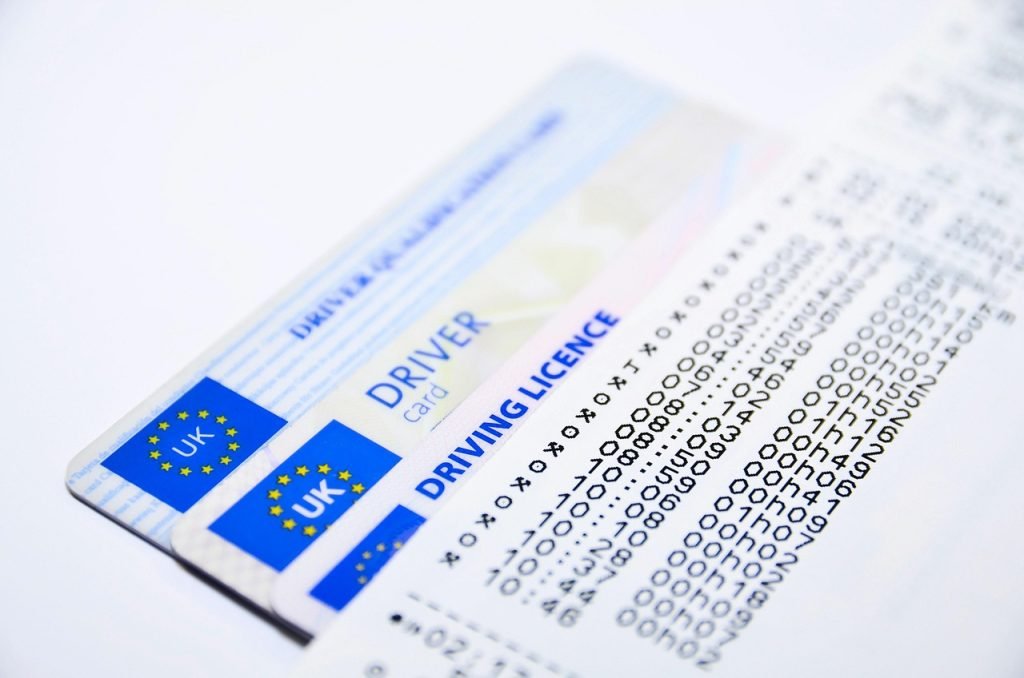
Changes for Over-55s: What’s New?
Drivers over the age of 55 should also expect changes from July 2025, with a renewed focus on regular medical assessments and documentation. This means preparation—including early booking of eye tests and medical check-ups—is increasingly important. The DVLA suggests monitoring its updates for the latest requirements and guidance.
International Licence Exchange: Moldova Agreement
From August 2025, residents from Moldova who hold a valid national licence can now apply for a UK equivalent via a streamlined process, skipping the need for retaking the driving examination. This follows an agreement between the UK and Moldova designed to ease the movement and legal driving of Moldovan nationals in Britain. The DVLA confirmed that Moldovan licensing standards align with British rules and do not compromise road safety.
Special Rules for Electric Vehicles
As of June 2025, the maximum authorised mass (MAM) for driving such vehicles with a category B licence has increased to 4,250kg, allowing motorists to drive heavier zero-emission vehicles without an additional licence category. This supports the government’s transition toward greener motoring.
Practical Implications and Expert Guidance
While digital licences and stricter medical renewals headline the changes, everyday implications are worth noting:
You will still receive licence renewal reminders, but ensure your details—including health status—are up to date before applying.
For drivers requiring assistance, GP consultations and optician visits may carry extra costs, though the renewal itself remains free.
For those who do not wish to go digital, physical cards stay legally accepted, minimising disruption for less technologically confident drivers.
The Road Ahead for UK Drivers
For most motorists, changes such as digital licences come with added flexibility, while older drivers—especially those over 70—should prepare for tighter checks and longer renewal times.
The DVLA advises all drivers to regularly review government updates and take proactive steps for compliance—whether booking necessary appointments ahead of renewal, preparing documents early, or seeking family support. With the UK embracing new technology and higher safety standards, 2025 promises to be a landmark year for British motorists.
Motorists are encouraged to embrace the future while keeping a watchful eye on practical details. Whether digital or traditional, the driving licence remains a vital passport to mobility, independence, and confidence on Britain’s roads.
Read more: isle of sheppey