

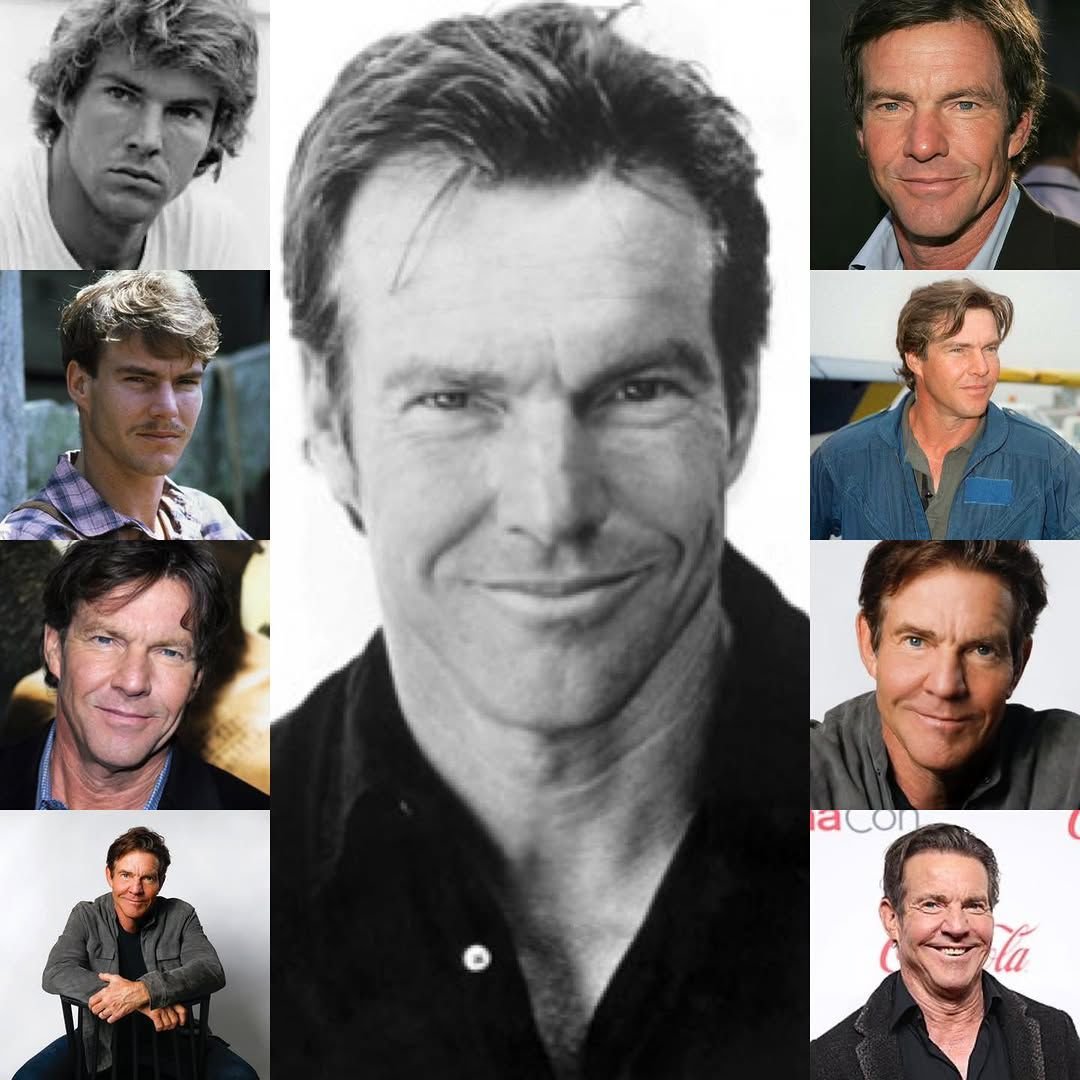
For many UK readers, Dennis T. Benatar may not immediately spring to mind as a famous face, but those in the know recognise Benatar as a central—and often unsung—figure behind some of Hollywood’s greatest productions. His decades-spanning work as a location manager and assistant director has established his reputation for logistical brilliance, creative problem-solving, and a legacy that continues to shape the film industry today.
Early Years and Discreet Foundations
Dennis T. Benatar was born in New York, United States, but keeps details of his early life close to his chest. In stark contrast to many in the entertainment world, Benatar has consistently maintained privacy, allowing his work to speak for itself. What is widely acknowledged is that his New York upbringing fueled his ambition and ability to tackle the complexities of show business from behind the camera rather than in front of it.
Career Trajectory: From Locations to the Limelight
Benatar began his long career in Hollywood, steadily building a reputation as an indispensable asset in the roles of location manager and assistant director. His filmography is nothing short of impressive. Notable credits include work on “Once Upon a Time in America,” “A League of Their Own,” “Tigerland,” “Fallen,” and the thriller “Phone Booth”. These films required precision, creative acumen, and the ability to orchestrate complex site logistics, and Benatar excelled in all these aspects.
His vital contributions spanned over 24 productions as second unit or assistant director, 18 as a production manager, and several credits in location management, producing, and camera work. While not the man behind the lens or in front of the camera, Benatar is known among peers for being able to turn director’s visions into reality.

A Legacy of Innovation and Influence
Dennis T. Benatar’s true influence has been in revolutionising how filming locations were sourced, managed, and integrated into film storytelling. His systems for managing multiple locations, budgeting, and balancing logistical realities with creative ambition have become a blueprint for other location managers. Adapting quickly to new technology—such as virtual production and digital set design—Benatar continually updated traditional practices, ensuring their relevance for new generations of filmmakers.
Behind-the-Scenes and Hollywood Relationships
Perhaps most notable to those less acquainted with Hollywood’s inner workings is Benatar’s high-profile marriage to rock singer Pat Benatar from 1972 to 1979. The pair met in high school and their relationship blossomed as they pursued their careers—Dennis behind the camera, Pat on the stage. Their marriage ended amicably just as Pat Benatar’s music career was taking off. The couple had no children together, choosing instead to focus on their respective professional ambitions and personal growth.
Following their divorce, Pat Benatar went on to international stardom with hits such as “Heartbreaker” and “Love Is a Battlefield.” Dennis, meanwhile, deepened his industry influence behind the scenes, respected for his calm presence and unwavering work ethic.
Financial Success and Continued Professionalism
Unlike many industry professionals, Benatar’s shrewd business sense secured a net worth estimated at $19 million. This financial stability is the result of decades working on major films, careful contract negotiations, and his ability to maintain a respected reputation in a competitive field.
Even as the industry has evolved, Dennis T. Benatar remains a sought-after mentor and consultant, continuing to shape the way big-budget productions manage logistics and integrate cutting-edge set technologies.
Lasting Contributions and Modern Relevance
Colleagues describe Benatar as a “quiet powerhouse”—the sort who solves problems before they begin, and who mentors younger filmmakers without seeking the spotlight.
His behind-the-scenes role ensures that audiences may not recognise his face, but they have certainly felt his impact in the seamless authenticity of their favourite films. The magic of “A League of Their Own,” the tension of “Phone Booth,” and the atmosphere of “Once Upon a Time in America” were all shaped by his vision and direction.
Over four decades, he has been intimately involved in a wide variety of roles, including second unit and assistant director, production manager, and location manager—each requiring technical mastery and strong leadership. His credits encompass cult classics and blockbusters alike, from managing locations on “A League of Their Own” and “Tigerland” to working as a production supervisor on “Phone Booth,” and contributing to “Once Upon a Time in America,” often hailed as a cinematic masterpiece.
Conclusion: A Name Worth Knowing
In a world increasingly obsessed with celebrity, Dennis T. Benatar stands apart as an example of the enduring power of expertise, humility, and dedication. His life behind the camera offers a reminder that great storytelling depends as much on logistical mastery as it does on stars and scripts. For UK audiences keen on the magic of cinema and the stories.
In addition to his production work, Benatar has made smaller on-screen appearances, including as Sergeant at Gate in “Tigerland,” indicating his willingness to contribute wherever needed for a successful project. His collaborative nature has also extended to offering thanks and guidance on set, further marking his positive influence within production teams.
Read more: cy kass