

Rising Concern: Chikungunya Arrives in Southern China
The recent chikungunya outbreak in China is making headlines in the UK and across the globe. For many, the sudden rise in cases in a country previously untouched by large-scale outbreaks has sparked major concern. Guangdong province, a manufacturing and tech powerhouse in southern China, now faces over 7,000 confirmed cases, mostly concentrated in the city of Foshan and surrounding areas. Public health responses are drawing comparisons to early Covid-19 measures, reflecting the seriousness with which officials are treating the threat.
How Did the Outbreak Start?
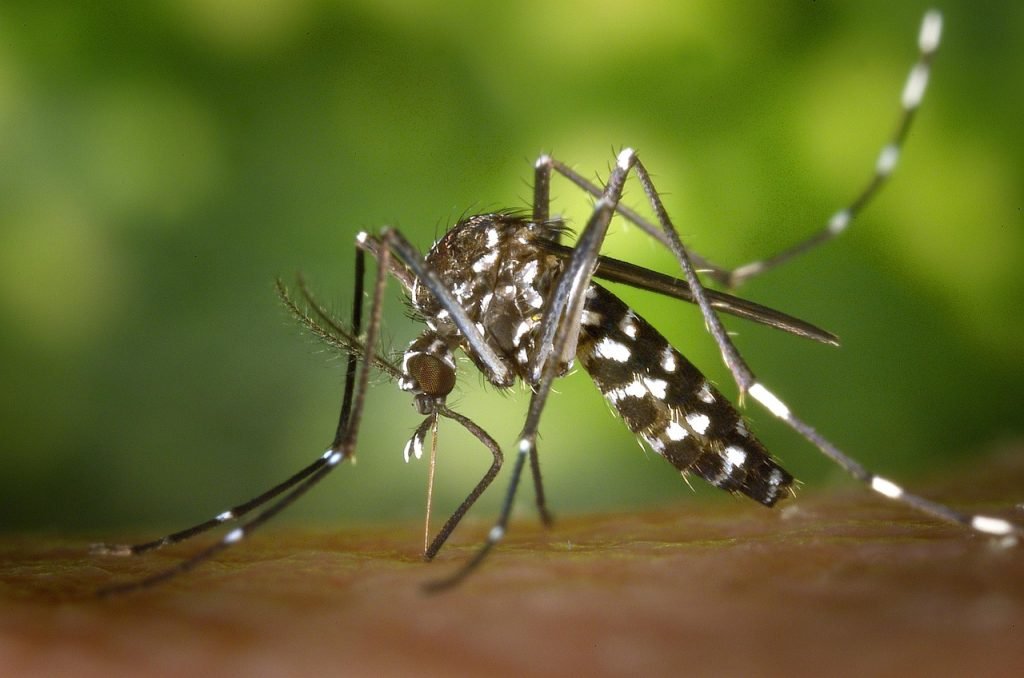
Until this year, chikungunya was mostly an imported disease in China. Previous clusters made headlines in 2010 and 2019, but these were swiftly contained. In 2025, however, an imported case in Foshan, likely carried in by a traveller, triggered a cluster that has since grown into an outbreak. Warmer, wetter conditions in the region—driven by a trend of rising global temperatures—have created an ideal environment for Aedes mosquitoes, the main carrier of chikungunya, dengue, and Zika viruses.
By early August, around 8,000 people across 13 cities had been infected, with nearly 3,000 new cases identified just last week. In a densely populated metropolis such as Foshan, with nearly 10 million residents, small outbreaks have the potential to escalate quickly without strict intervention.
Understanding Chikungunya: Symptoms and Impact
Chikungunya is a virus spread by the bite of infected mosquitoes. Unlike Covid-19, it is not transmitted from person to person. Once bitten, symptoms such as fever, severe joint pain, headaches, rash, and muscle pains can appear three to seven days later. While most patients recover within a week, some experience joint pain for months or even years. Deaths are rare, but the disease can be debilitating, especially for older adults or people with pre-existing health issues.
Doctors recommend rest, fluids, and the use of paracetamol to control fever and pain. Importantly, non-steroidal anti-inflammatory drugs like ibuprofen should be avoided until dengue fever, another mosquito-borne illness, has been ruled out, as some drugs worsen bleeding risks. There is no specific antiviral medicine for chikungunya at present.
Extraordinary Measures Reflect Past Pandemic Strategies
Chinese authorities have implemented strict measures akin to those seen during the Covid-19 pandemic. Infected individuals are kept in hospital isolation, often under mosquito nets, and are not allowed to return home until they test negative. Pharmacies now record names of customers who buy medicines for fever or joint pain. Door-to-door inspections are underway to eliminate sources of standing water, the preferred breeding grounds for Aedes mosquitoes. Non-compliance can result in fines or even prosecution for “obstructing the prevention of infectious diseases.” Several households have experienced electricity cut off as a measure to enforce compliance.
The government and community volunteers are using drones and large “elephant mosquitoes”—a natural predator of Aedes larvae—to control the mosquito population. Parks, homes, and public areas are regularly being fogged with insecticide. The entire region has been mobilised in what officials are calling a “patriotic public health campaign”.
What Are UK Health Officials Saying?
According to the UK’s Joint Committee on Vaccination and Immunisation (JCVI), UK travellers to regions affected by active chikungunya outbreaks are now considered for vaccination, where appropriate. Two vaccines—Vimkunya® and IXCHIQ®—have become available, though the live attenuated vaccine (IXCHIQ®) is currently restricted for adults aged 60 years and older, pending further safety evaluation following reports of serious adverse events in this age group.
The NHS and other official channels urge UK nationals travelling to affected areas to take mosquito-avoidance precautions: use effective DEET-based repellent, wear long sleeves and trousers, and sleep in rooms with screened windows or under mosquito nets. Since Aedes mosquitoes bite mostly during the day, observing daytime precautions is essential.
Impact for the UK: Why It Matters
While the risk for the UK population remains low, the current outbreak in China highlights the direct impact of climate change and the ease with which diseases can travel in a connected world. The presence of Aedes mosquitoes in southern Europe has led to occasional outbreaks there, too, and public health agencies are closely watching the situation.
Chinese authorities have reported that all documented cases in this outbreak have been mild so far, with the majority of patients being discharged within a week. However, UK experts note that rapid containment is critical to prevent chikungunya from becoming endemic in new regions. Travellers returning from China or other affected countries should seek prompt medical advice if they develop a fever, rash, or joint pain within two weeks of return.
Lessons for the Future
The chikungunya outbreak is another stark reminder of the growing threat posed by mosquito-borne diseases in an era of global warming. Combined with high population density and increased global mobility, such outbreaks may become more frequent. UK public health agencies, in collaboration with the NHS and international partners, are maintaining vigilant surveillance and updating travel advice as the situation unfolds.
For now, the best way to stay safe is awareness: protect yourself with proper precautions if travelling to at-risk areas, and consult a healthcare professional if you fall ill with fever and joint pain after travel. As always, official British health sources remain the best point of reference for the latest advice and guidance.
In summary, the chikungunya outbreak in China has demonstrated again how quickly infectious diseases can cross borders in today’s world. While the virus is not deadly for most, its impact on daily life for individuals and on healthcare systems can be substantial. With vigilance, research, and swift public health action, the risk to the wider UK community can remain low—so long as lessons from this outbreak are acted upon.
Read more: rangers vs viktoria plzeň