

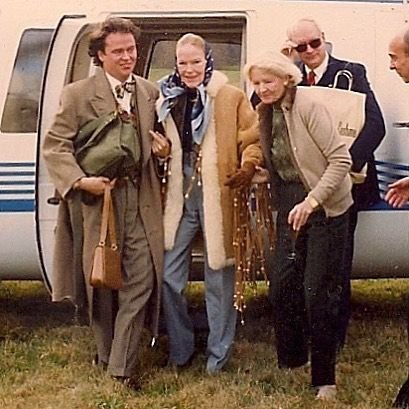
Charlene Gail Heffner, also known as Chandi Heffner, is a figure who has sparked intrigue, debate, and legal drama—one who stands apart in the pantheon of unusual 20th-century family sagas. The adopted daughter of Doris Duke, once labelled the “richest girl in the world,” Heffner’s story unfolds as an extraordinary tale of privilege, estrangement, and enduring questions about the meaning of family and inheritance.
Early Life and Spiritual Roots
Charlene Gail Heffner was born in the United States in 1953. Before adoption brought her into the Duke dynasty, she was a Hare Krishna devotee, revered in her community for her spiritual discipline and commitment. In adulthood, she became known as Chandi Heffner, a name that reflected her religious beliefs and lifestyle.
Her path first crossed with Doris Duke, the celebrated tobacco heiress, in the 1980s in Hawaii. The two women reportedly formed a fast and close bond, with Duke drawn to Heffner’s spiritual sensibilities and sincerity.
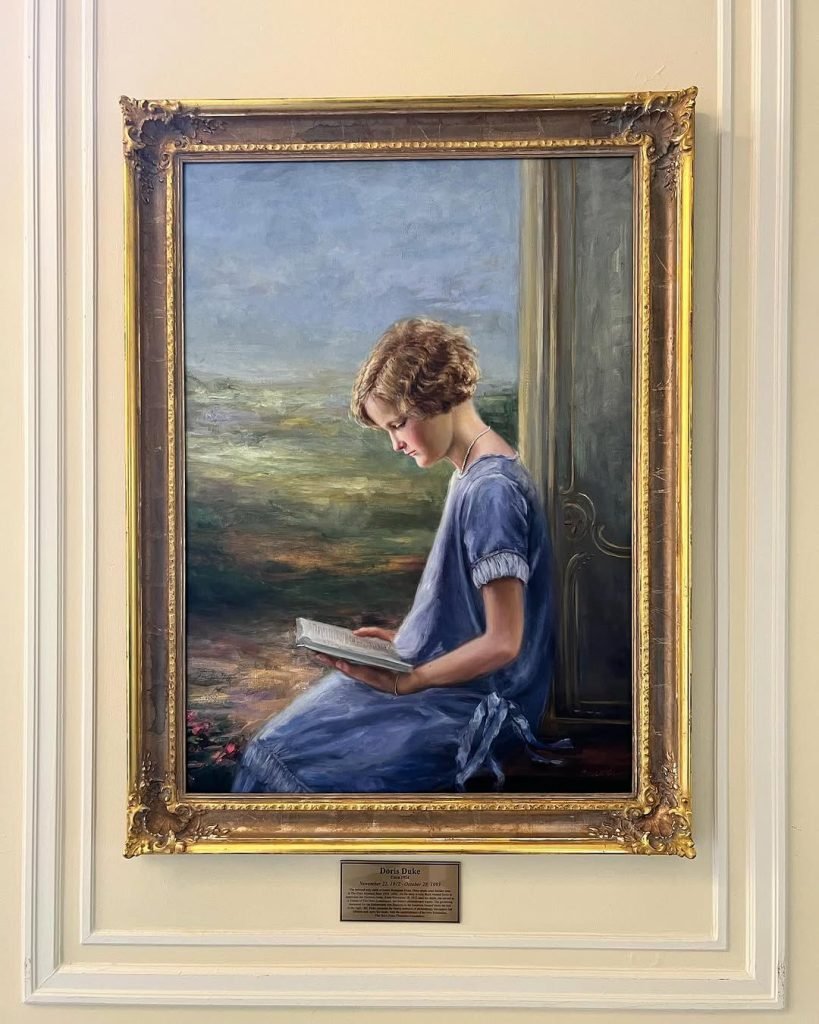
Adoption by Doris Duke
In 1988, Doris Duke adopted Charlene Gail Heffner at the age of 35, a highly unusual move that made headlines both in the United States and abroad. The adoption was public, and the new family connection shocked many: Duke had never had children of her own and had previously lived a fiercely independent life.
Heffner’s introduction into Duke’s world came with all the trappings of immense wealth: lavish homes, elite company, and exposure to a rarefied lifestyle. As president and director of several charitable foundations, Doris Duke played a substantial philanthropic role, one which Heffner occasionally participated in during their early relationship.
The Adoption Precedent
Doris Duke’s adoption of Heffner set a new legal precedent in matters of adult adoption—a measure typically rare and controversial. This move brought complex questions to the fore for both American and British legal observers regarding the nature, motivation, and legal impact of adopting a fully grown adult. In the UK, where aristocratic inheritance claims and questions of legitimate succession frequently make the news, the Heffner-Duke case continues to be cited as an example of how non-traditional family structures can disrupt established expectations.
Philanthropy’s Changing Face
Heffner’s early years with Duke briefly exposed her to significant philanthropic undertakings, echoing broader debates around the obligations of wealth in both the US and UK. However, after their estrangement, Heffner herself reportedly stepped back from public causes, becoming far less involved than during their initial period together. For British readers conversant in the legacy of great philanthropists, Heffner’s trajectory serves as a case study in how personal relationships can dramatically reshape public charitable agendas.
Tensions and Estrangement
Despite the initial closeness, the relationship between Heffner and Duke deteriorated. Within a few years, discord surfaced, and Doris Duke publicly lamented her adoption of Heffner, calling it “the greatest mistake I ever made in my life.” Duke eventually banned Heffner from her estates, and their bond was irreparably broken. This estrangement marked the beginning of a lengthy and public legal debate.
Public Fascination and Cultural Impact
The narrative of Charlene Heffner—marked by her spiritual roots, abrupt wealth, and estrangement—remains compelling decades later, with frequent references in popular culture and journalistic retrospectives. She is alternately portrayed as a seeker drawn into a larger-than-life saga and as a pivotal figure in contemporary debates about adoption and inheritance. For a UK audience, Heffner’s story complements ongoing national conversations about the boundaries of family, the responsibilities attached to inherited wealth, and the perennial appeal of real-life tales full of ambition, regret, and legal wrangling.
Legal Battles Over Inheritance
Upon Doris Duke’s death in 1993, Heffner argued that her status as Duke’s legal daughter entitled her to a significant portion of the late heiress’s estate, which was worth an estimated $1.2 billion. Duke’s will came under fierce challenge, prompting a high-profile inheritance battle that captured headlines in the UK and the US. Ultimately, Heffner reached a settlement in 1995 for $65 million—one of the most lucrative inheritance agreements of its time, but far less than what she originally sought.
The court case became a touchstone for debates about legitimacy, adoption, and the meaning of family beyond biology. For British audiences, the case has echoes of historic British aristocratic disputes, albeit on a modern, global stage.
Life After Settlement: Philanthropy and Privacy
Charlene Gail Heffner has largely shunned the limelight since the legal resolution of the Duke estate. She is described as a philanthropist, at times continuing to support the charitable causes Doris Duke once cherished. However, she has never matched the visibility or scale of Duke’s generosity, instead leading a quieter life removed from both spiritual communities and the media spotlight.
Enduring Relevance for UK Audiences
The curious odyssey of Charlene Gail Heffner continues to fascinate UK readers as an example of the complexities woven through wealth, inheritance, and family. The legal wrangles, personal estrangement, and questions about intent—did Duke truly see Heffner as a daughter, or was it a fleeting connection?—mirror ongoing British conversations about legacy and lineage. Heffner’s story raises larger issues about the responsibilities of affluence, the pitfalls of public life, and the search for identity in modern society.
Conclusion
Charlene Gail Heffner’s journey from Hare Krishna devotee to adopted heiress, and finally as a controversial figure in one of the world’s largest inheritance disputes, symbolises the intersection of fate, ambition, and personal reinvention. For the UK audience, her story remains a compelling parable of how quickly fortunes can shift in the shadow of power.
Read more: nikolai peter ingraham