

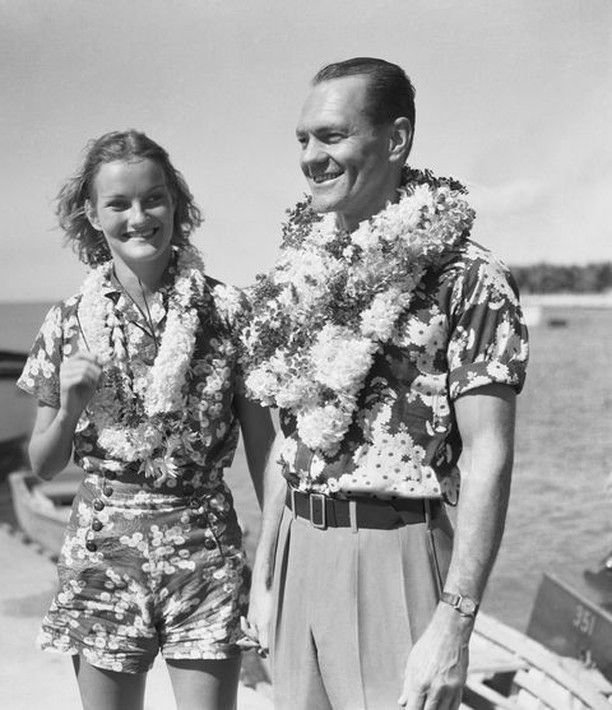
Chandi Heffner: Scandal, & Legacy in the Shadow of Doris Du
Few modern stories intertwine wealth, eccentricity, and legal drama like that of Chandi Heffner. Most familiar to the British public as the controversial adopted daughter of the late American billionaire Doris Duke, Heffner’s journey from Hare Krishna devotee to central player in one of the largest inheritance disputes of the twentieth century has fascinated the media on both sides of the Atlantic.
Meeting Doris Duke: An Unlikely Bond
Heffner’s upbringing was far from the extravagance she would later experience. Raised in Baltimore, she rejected her middle-class past to join a Hare Krishna commune in Hawaii in the early 1980s. It was in this insular setting that she met Doris Duke, the famously reclusive tobacco heiress who was regarded as “the richest little girl in the world” in her youth and amassed a fortune estimated at over $1.2 billion by her death in 1993. The two shared passions for dance, Eastern philosophy, and animal welfare
Doris Duke saw Heffner as the reincarnation of her own daughter, Arden, who had tragically died in infancy. The pair grew close, travelling the globe and living together at the heiress’s numerous estates. Duke’s generosity extended to purchasing Heffner a £1.2 million horse farm in Hawaii, a property Heffner still manages today.
Adoption and Roles Within the Duke Empire
Duke formally adopted Heffner in 1988, when Heffner was 35 and Duke was 75. The adoption was unique—not of a child needing guardianship but of an adult companion. Duke’s friends raised eyebrows, speculating that the move was partly due to Duke’s spiritual beliefs, but also as confirmation of the bond between the two women. After the adoption, Heffner became executor of the estate for a time and began influencing business affairs, overseeing finances, and acting as Duke’s closest adviser.
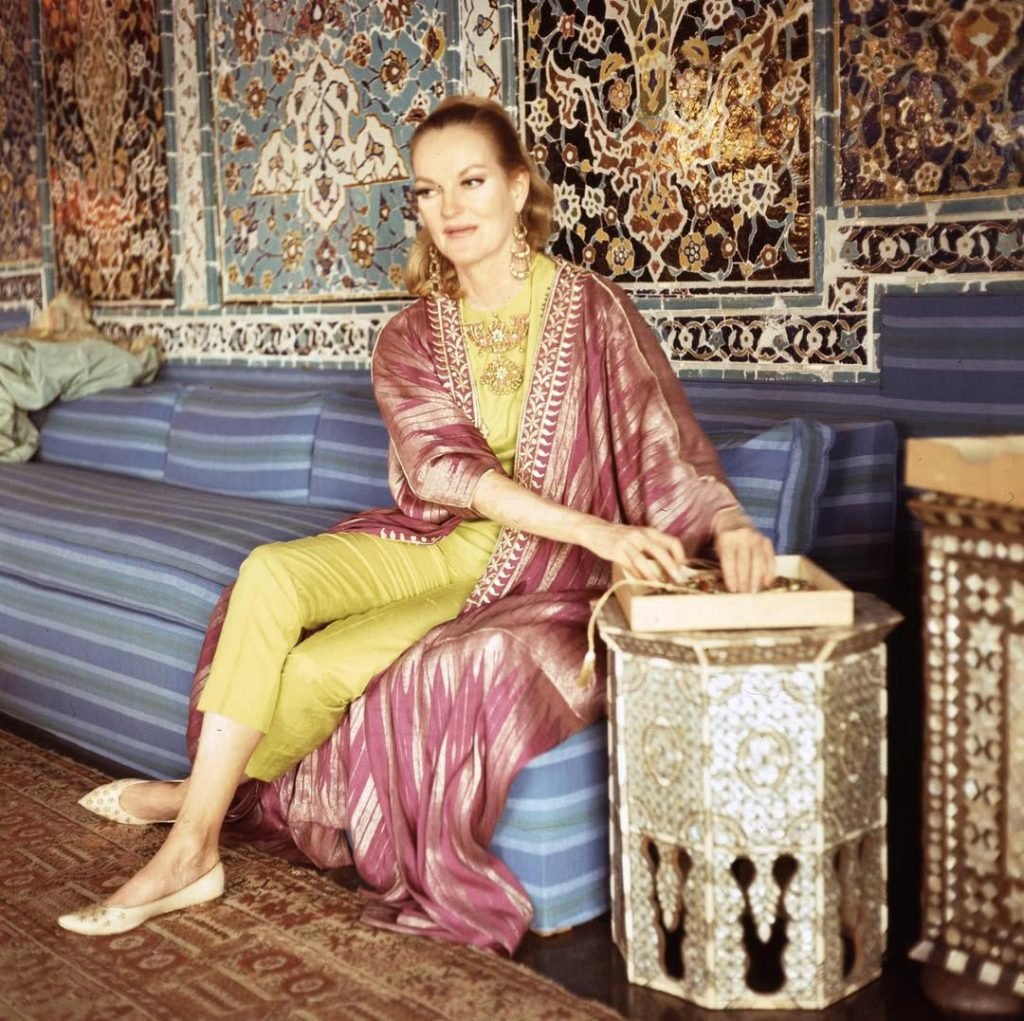
The Decline: From Favourite to Disinherited
Their relationship rapidly deteriorated by 1990–1991. Reports suggest tensions flared over estate management, finances, and even jealousy from those inside Duke’s trusted circle, especially as Bernard Lafferty entered Duke’s life as her butler and confidant. Under Lafferty’s influence, Duke came to suspect Heffner’s intentions and reversed both the adoption and her inclusion in estate plans, cutting Heffner entirely from her trust funds before her death.
Legal Dispute: The High-Profile Court Battle
With Duke’s passing, Heffner went to court, launching a sensational probate case against the vast Duke estate. She claimed Duke always intended for her to be cared for, while the estate trustees argued the late disinheritance was deliberate and final. The case made international headlines, culminating in a hefty £52 million settlement for Heffner.
Feud, Fallout, and Disinheritance
By 1991, the relationship soured dramatically. Heffner reportedly became more assertive, allegedly causing friction among the staff and falling out with Duke over personal relationships and estate management. In a sharp turn, Duke revised her will, removed Heffner as both heir and executor, and cut her off financially. When Duke died in 1993, most of her fortune was bequeathed to charity and her butler, Bernard Lafferty, became estate executor.
Legal Action and Settlement
Heffner launched a sensational lawsuit against the estate, arguing that Duke had promised lifetime financial support. The dispute played out in US courts, generating global headlines due to the scale of Duke’s fortune and the eccentric details of their relationship. In 1995, the estate settled the suit, awarding Heffner $65 million—approximately £52 million in today’s money. The story highlighted both the complexities and the sometimes arbitrary nature of ultra-wealth and inheritance law.
Doris Duke’s Lifelong Grief and the Adoption Decision
Doris Duke endured immense personal tragedy, losing her only biological child, Arden, just a day after birth in 1940. Unable to have more children, Duke reportedly spent her life searching for ways to cope with this loss, including turning to spiritualism and seeking emotional bonds that would substitute for her daughter. Many close to Duke believed that her decision to adopt Chandi Heffner in 1988 stemmed from a belief that Heffner was Arden’s reincarnation, creating a maternal bond that dictated much of their brief relationship.
Heffner’s Transformation from Devotee to Heiress
Before her adoption, Chandi Heffner was a Hare Krishna devotee leading a quiet spiritual life in Hawaii. Duke and Heffner initially formed a deep connection through shared interests in Eastern philosophies, animal welfare, and the arts. The transformation from spiritual seeker to potential heiress occurred after Heffner moved in with Duke at her Hawaii residence. Here, lavish gifts and a strong sense of belonging reportedly shaped Heffner’s new existence—one that soon became entwined with Duke’s multimillion-pound empire.
Lessons for a Modern UK Audience
Britain’s own stories of contested legacies, eccentric benefactors, and charitable trusts find an echo in the Chandi Heffner saga. With cost of living and inheritance laws under discussion across the UK, the cautionary tale of Duke and Heffner reminds readers that money—however vast—cannot guarantee happiness or stability. The outcome also speaks to the importance, and unpredictability, of relationships forged under unusual circumstances.
Conclusion
Chandi Heffner’s life story grabbed headlines for its intrigue, litigation, and extraordinary wealth. Decades later, her tale still serves as a reminder of the power of connection, the limits of fortune, and the unpredictable fallout from living alongside the super-rich. For British readers, the affair encourages reflection on the true meaning of security, loyalty, and lasting legacy.
Read more: jason luv net worth