

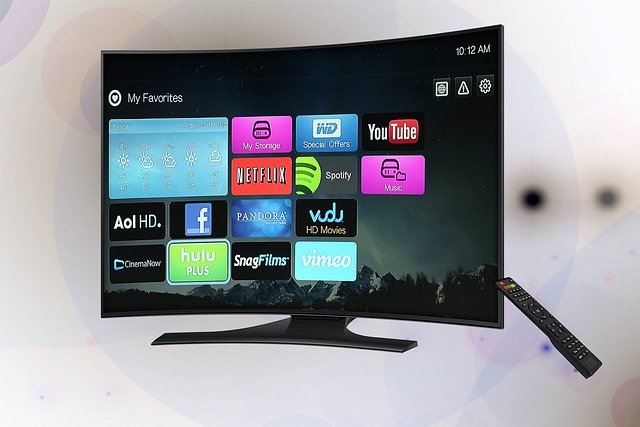
Mounting a telly on plasterboard walls is absolutely possible, but it’s not as straightforward as drilling into brick or concrete. I’ve done this countless times over the years, and let me tell you — there’s definitely a right way and several wrong ways that’ll leave you with a TV-shaped hole in your wall (and possibly your pride).
The key thing to understand is that plasterboard alone won’t support the weight of modern TVs. You need to find the timber studs behind the plaster or use specialist fixings designed for hollow walls. It’s not rocket science, but it does require the right approach & a bit of patience.
Understanding Your Plasterboard Wall Structure
Most UK homes built after the 1960s use plasterboard construction for internal walls. These walls typically consist of plasterboard sheets (usually 12.5mm thick) fixed to timber or metal studs spaced at 400mm or 600mm centres. The plasterboard itself is basically compressed gypsum between two sheets of paper — hardly what you’d call load-bearing material!
Before you even think about mounting anything, you need to locate these studs. They’re your best friends when it comes to TV mounting. I use a decent stud finder (spent about £30 on mine years ago), though the old-fashioned knocking method can work too. You’re listening for that solid thud rather than the hollow sound of just plasterboard.
Metal studs are becoming more common in newer builds. They’re actually stronger than timber in many ways, but they require different screws — self-tapping metal screws rather than wood screws. The mounting principle remains the same though.
Weight Considerations and TV Mounting Brackets
Here’s something that catches people out: modern TVs aren’t as heavy as the old CRT monsters, but they’re still substantial. A 55-inch LED TV typically weighs 15-25kg, whilst a 65-inch model can push 30kg or more. Add the weight of the bracket itself, and you’re looking at serious loads.
I always check the TV’s weight specification first — it’s usually in the manual or on the manufacturer’s website. Then I choose a bracket rated for at least 1.5 times that weight. Better safe than sorry, especially when you’re dealing with a £1000+ piece of kit!
The bracket type matters too. Fixed brackets are simplest and distribute weight best across multiple fixing points. Tilting brackets add complexity but aren’t usually problematic. Full-motion articulating brackets? They create leverage forces that can be problematic on plasterboard walls. I tend to steer people away from these unless they’re mounting into solid studs.
Finding and Marking Stud Positions
This is where patience pays off. Stud finders can be temperamental — I’ve had expensive ones that couldn’t find a barn door and cheap ones that work perfectly. The trick is calibrating them properly on a section of wall you know has no studs.
Once you’ve found one stud, measure 400mm or 600mm to find the next one. UK building standards typically use these spacings, though older properties can be irregular. Mark the stud edges clearly with a pencil — you want to hit the centre of the stud with your screws.
Can’t find studs? Sometimes they’re there but the stud finder’s struggling. Try the magnet method — slowly move a strong magnet across the wall to detect the metal screws holding the plasterboard to the studs. It’s old school but effective.
Hollow Wall Fixings When Studs Aren’t Available
Sometimes the studs just aren’t where you need them. Maybe you want the TV centred on a chimney breast, or the stud spacing doesn’t match your bracket. This is where hollow wall fixings come into play, though I’ll be honest — I’m slightly sceptical about hanging expensive TVs on these alone.
Spring toggles (or toggle bolts) are probably your best bet for plasterboard. They expand behind the wall to distribute the load. Heavy-duty ones can handle 20-30kg per fixing point on 12.5mm plasterboard, but I wouldn’t push it. Gripit fixings are another option — they’re specifically designed for plasterboard and can be quite effective.
Here’s my rule: if you’re using hollow wall fixings exclusively, keep the TV size reasonable (maybe 43 inches maximum) and definitely avoid articulating brackets. The dynamic loads from extending & moving the TV can easily overwhelm these fixings.
Installation Process and Professional Tips
Right, you’ve found your studs and chosen your fixings. Time for the actual mounting. I always start by making a paper template of the bracket’s mounting holes — sounds basic, but it prevents expensive mistakes. Hold the template against the wall, check it’s level (spirit level is essential), and mark your drilling points.
For stud mounting, I use 75-100mm wood screws (6mm diameter minimum). Pre-drill pilot holes to prevent splitting the timber studs. The screws should penetrate at least 50mm into the stud for a secure fixing. Don’t over-tighten — you can strip the threads in timber studs surprisingly easily.
If you’re mixing stud and hollow wall fixings (sometimes unavoidable), make sure the studs take the primary load. The hollow wall fixings are just backup really. And please, test the mount thoroughly before hanging your precious TV on it. Give it a firm tug — if anything moves or creaks, you need to revisit your fixings.
Common Mistakes and How to Avoid Them
I’ve seen some proper disasters over the years. The classic mistake? Assuming all plasterboard is the same thickness. Older properties sometimes have thinner 9.5mm board, whilst some newer builds use 15mm. Your fixing choice needs to accomodate this.
Another howler: not checking what’s behind the wall. I once helped a neighbour who’d drilled straight through into a water pipe. Expensive lesson! Use a pipe and cable detector before drilling — they cost about £20 and can save you hundreds in repair costs.
People also underestimate the importance of the wall bracket alignment. If it’s not perfectly level, your TV will look wonky no matter how carefully you mount it. Take your time with this bit — measure twice, drill once, as they say.
Alternative Solutions for Challenging Walls
Sometimes plasterboard walls just aren’t suitable for TV mounting. Thin partition walls, walls with services running through them, or walls where you simply can’t locate studs reliably. What then?
Floor stands are an obvious alternative, though they’re not everyone’s cup of tea. Modern cantilever stands can look quite sleek & avoid wall mounting altogether. They’re also much easier to reposition if you rearrange your furniture.
Another option I’ve used successfully is mounting to the ceiling joists with a drop-down bracket. This works particularly well for TVs mounted above fireplaces where the wall structure might be suspect. You’ll need longer cables and careful planning, but it can be very effective.
For rental properties or situations where you can’t modify the walls, there are tension-pole mounts that run floor to ceiling. They look a bit industrial, but they’re surprisingly stable and completely removable.
Final Thoughts
Mounting a TV on plasterboard walls is definitely doable, but it requires proper planning & the right approach. Find those studs if possible — they’re your insurance policy against gravity winning the battle. Use quality fixings rated for more weight than you actually need, and don’t rush the installation process.
If you’re not confident drilling into walls or can’t locate the studs reliably, there’s no shame in calling a professional tv wall mounting expert. A good installer will charge £100-150 but they’ll bring experience, proper tools, and insurance. Sometimes that peace of mind is worth every penny, especially when you’re dealing with an expensive TV and potentially expensive wall repairs if things go wrong.