

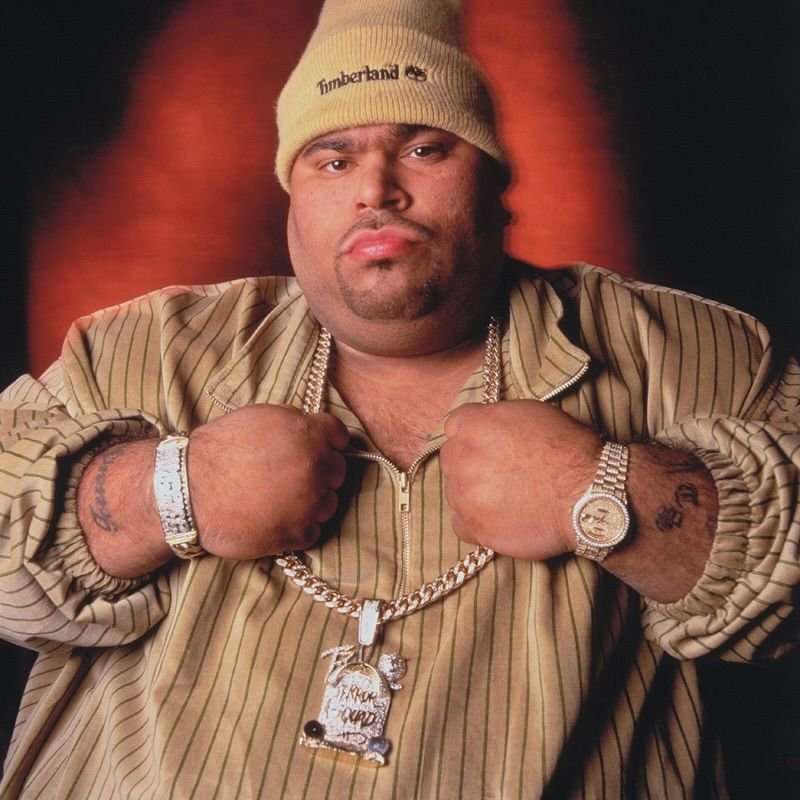
Big Punisher Wife, born Christopher Lee Rios, is remembered as one of hip-hop’s most transformative voices, and his rise was powerfully interwoven with the story of his wife, Liza Rios. While millions celebrate Big Pun’s musical achievements and his status as the first Latino rapper to go platinum, far fewer know the journey and resilience of the woman who stood by his side during the ups and devastating downs of his career.
Meeting and Building a Family
Liza first encountered Christopher Rios in their teenage years in the Bronx, New York. Both were from Puerto Rican backgrounds and bonded over shared tough upbringings and big ambitions. Their relationship deepened through adversity, and by 1990, they were married. As Big Pun developed his lyrical skills and rapping persona, Liza became his confidante and support system.
Together, they raised three children: Christopher Jr., Vanessa, and Amanda. During Pun’s rise to fame, Liza managed many family responsibilities. She provided stability in the midst of rapid fame, fluctuating income, and the complex dynamics of the New York hip-hop scene.
The Struggles Behind Closed Doors
The public saw Big Pun as a lyrical force, but at home, life was often turbulent. Pun’s struggles with mental health and food addiction became more pronounced as the pressures of fame and finances mounted. His enormous weight gain, depressive episodes, and sometimes volatile behaviour created a challenging environment for Liza and the family.
Liza remained dedicated through Pun’s health battles, supporting him as he sought medical help and even travelled with him to Duke University where he attempted to lose weight. Despite brief periods of hope, Pun’s health steadily declined. Liza spoke candidly in later interviews about the difficulty of convincing him to prioritise his wellbeing and the impact that his depression and eating disorder had on the entire family.
Managing Loss and Protecting Big Pun’s Legacy
Pun’s death in February 2000, at just 28 years old, left Liza a widow and single mother in her twenties. She was thrust into the daunting task of managing both grief and the legacy of a cultural icon. The music industry tributes poured in, but the realities of daily life and financial security for the family remained uncertain.
For years, Liza struggled with the aftermath—dealing with business disputes, royalties, and her efforts to secure the family’s financial future. Her drive led her to speak out publicly, advocating for posthumous recognition of Big Pun’s contributions and fighting for their children’s rights in the estate and royalties discussions.
Liza Rios’s life story after Big Pun’s death
After Big Pun’s death in 2000, Liza Rios faced an immense struggle—both emotionally and financially—as she navigated life as a young widow with three children. In the years immediately following his passing, Liza encountered severe financial hardship. Reports detail how she and her children lost their home to foreclosure and ultimately lived in a New York City shelter due to limited access to royalties and the depleted funds received from Big Pun’s music. She spoke candidly about the challenges of managing bills, raising children, and coping with the pressures of lost income, all while dealing with the emotional toll of bereavement.
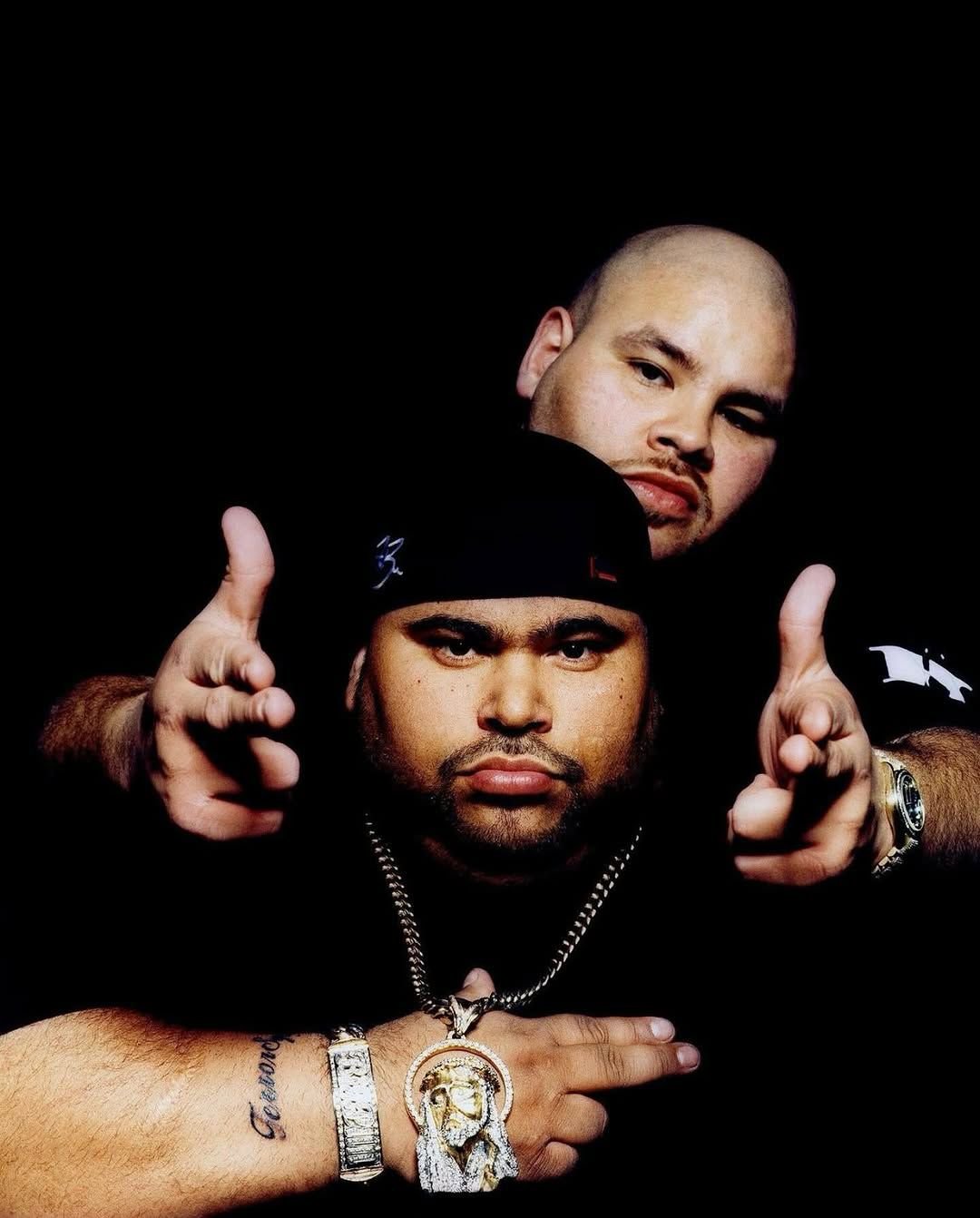
Faced with legal and industry complexities, Liza took proactive steps to secure her family’s rights and legacy. She became involved in high-profile legal battles, suing for unpaid royalties and gaining greater control over Big Pun’s estate. A 2016 settlement brought back the majority of his music publishing rights to the family after years of dispute, especially with fellow artist Fat Joe. Liza has publicly challenged claims about payments or settlements, and she continues to advocate for transparency in the management of Pun’s intellectual property.
Public Advocacy and Later Life
Liza became an outspoken advocate for hip-hop widows, single mothers, and others navigating life after public tragedy. She contributed to documentaries about Big Pun’s life and legacy, raising discussion on untold challenges faced by music families behind the spotlights.
In recent years, Liza continues to honour Big Pun’s memory through community outreach, legal advocacy, and participation in events celebrating his work. She remains active on social media, sharing family milestones and personal reflections, offering a candid window into her journey from a teenager in the Bronx to a pillar for her community and children.
Conclusion
Liza Rios’s resilience, loyalty, and candour provide a human dimension to the Big Pun legend. Her story is one of perseverance, loss, and the determination to carry forward a legacy while building a future for herself and her family. In the UK, where hip-hop culture resonates with stories from both the stage and daily life, Liza Rios stands as an emblem of quiet strength behind the scenes—proof that every icon’s legacy is anchored by bravery and heart at home.
Read more: marilyn kroc barg