

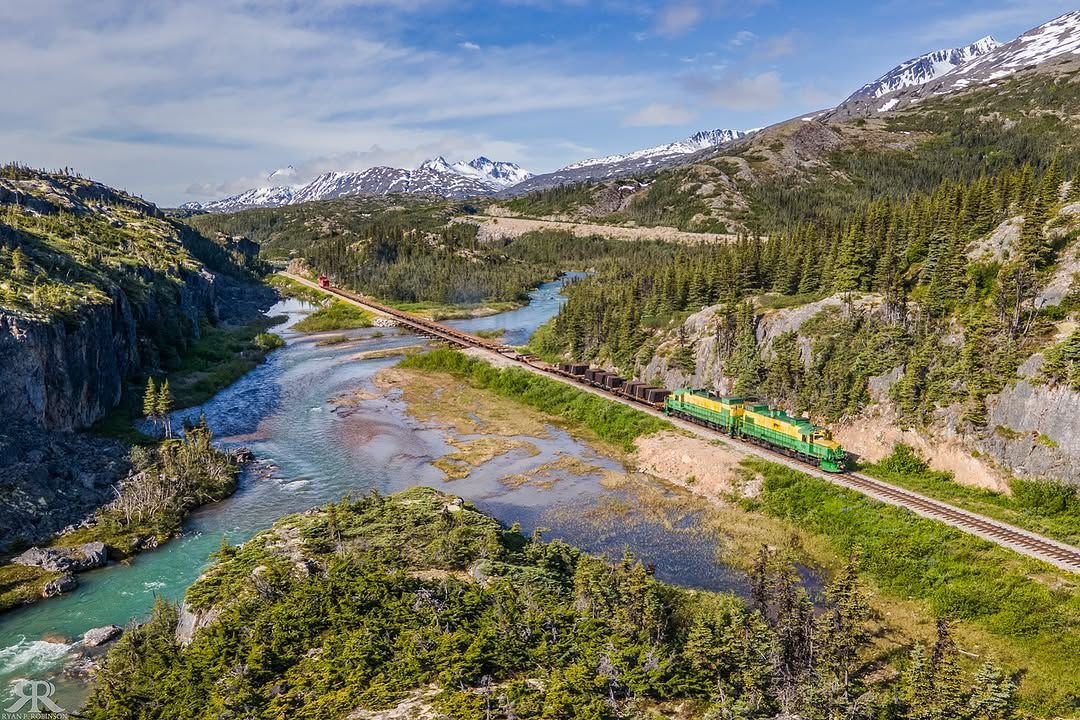
Alaska, America’s great northern frontier, once seemed distant to many in the UK. Today, it’s capturing the world’s attention due to dramatic shifts in its climate, a fluctuating economy, and a historic political summit set for August 2025. As UK audiences search for the latest news, Alaska’s landscape—both literal and social—offers a compelling mix of challenge and opportunity.
Political Spotlight: Trump and Putin Meeting in Alaska
This summer, Alaska becomes the stage for a major geopolitical event. President Donald Trump is scheduled to meet Russian President Vladimir Putin in Alaska on 15 August 2025. Their discussions will focus on negotiating a potential end to Russia’s ongoing war in Ukraine, a conflict that continues to dominate headlines worldwide.
The summit is controversial. Alaska, once part of the Russian Empire, was sold to the United States in 1867. Russian nationalists have recently raised calls for the state’s return, giving this meeting extra tension. Critics in both the US and UK worry about the symbolism of hosting Putin in the only US state bordering Russia, while supporters argue that Alaska’s position makes it the perfect venue for high-level talks.
The meeting carries international significance. UK political analysts have been watching closely, noting the risks and the possible impact on the war in Ukraine and broader Arctic policies.
Climate Change: Alaska’s Rapid Transformation
Alaska has become a focal point for the effects of a warming world. It is now the fastest-warming state in the US, with average annual temperatures in some regions rising by as much as 6°C since 1971. This is three times the global average. The consequences are visible everywhere—from receding glaciers to earlier snowmelt, increased wildfires, and thawing permafrost.
June 2025 saw another alarming milestone: the US National Weather Service issued Alaska’s first-ever heat warning, with temperatures in Fairbanks soaring above 30°C. Many homes, designed to hold heat, struggle with these new extremes, highlighting how ill-prepared infrastructure is for high temperatures. Health officials have raised concerns over heat-related illnesses, especially among vulnerable communities.
Experts from leading US and UK research institutes report that permafrost thaw is accelerating, contributing to flooding, infrastructure collapse, and changes in traditional ways of life for Indigenous communities. UK climate experts note that these changes could soon alter global weather patterns and threaten Arctic biodiversity, a cause of concern for conservationists and policymakers alike.
Economic Landscape: Energy Projects and Uncertainty
Alaska’s economy remains closely tied to the energy sector. New investments, like the Willow oil project on the North Slope, are set to boost state revenues and create jobs. In the second quarter of 2025, ConocoPhillips Alaska invested over $2billion in capital projects, posting a net income of $135million. The Willow project remains on track for year-end commissioning, with permanent camps and new wells supporting the Trans-Alaska Pipeline.
However, Alaskans face challenges with continuing high prices and slow wage growth. The average single-family home price in Anchorage reached nearly $514,000 in 2024, up 40% since 2019, highlighting a housing shortage. Rising shipping costs tied to US trade policy, and weak consumer confidence, present further hurdles for businesses and residents.
Alaska’s exports, especially seafood and metal ores, continue to find strong markets abroad. Japan, China, and the UK are among key consumers of Alaskan fish, underscoring the global relevance of its maritime economy.
Tourism: An Industry at a Crossroads
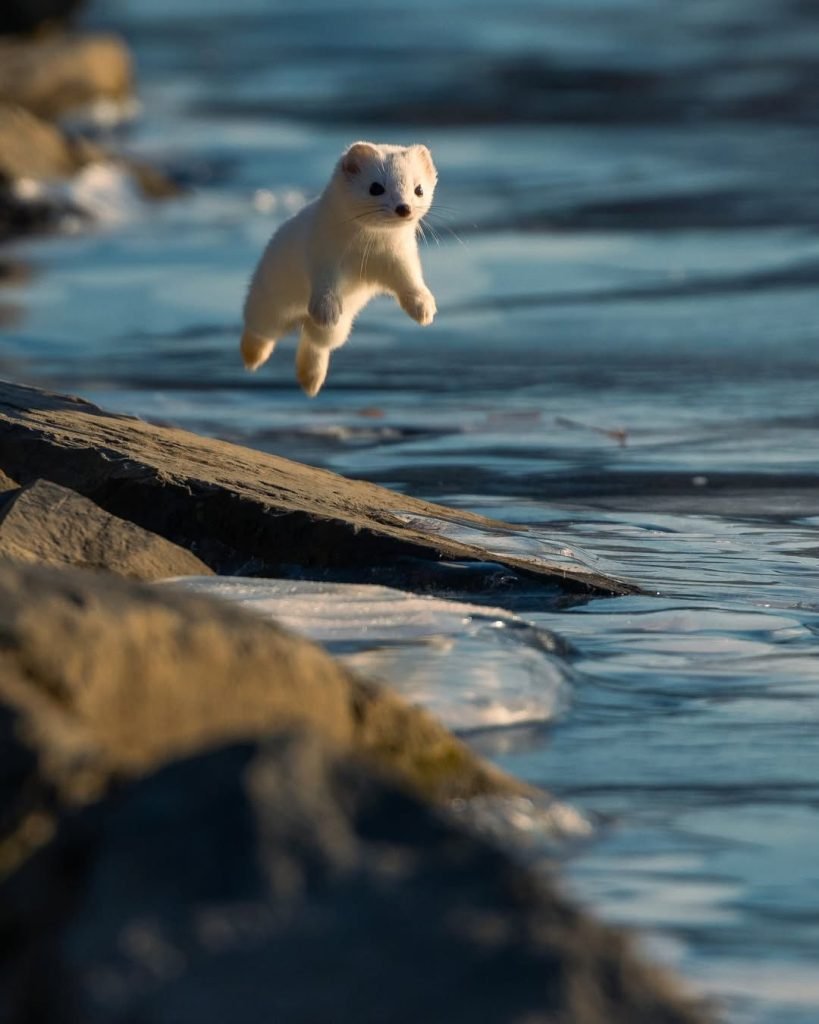
Tourism in Alaska is world-renowned, drawing millions of visitors with promises of unspoilt nature, majestic wildlife, and unique adventures. But in 2025, the industry faces a wave of uncertainty. International bookings slowed in the spring amid political tensions and economic concerns. Local operators in Anchorage say that sales resemble the depressed levels seen in 2020, when global travel was decimated by the pandemic. Industry leaders say Anchorage expects a slight decrease in visitors this summer compared to the previous year.
Despite these setbacks, Alaska remains a sought-after destination for Britons seeking spectacular landscapes, cruises, and wilderness experiences. September’s fall foliage trips are already in high demand, proving Alaska’s enduring appeal. Tourism still supports nearly 50,000 jobs statewide and injects billions into the economy, serving as a critical lifeline for many communities.
Adapting to Change: Society and Environment
The rapid transformation of Alaska’s climate has led to new words like “climigration,” describing the forced relocation of communities due to thawing permafrost, increased flooding, and other environmental hazards. Many Indigenous groups, who have lived in harmony with the land for generations, now must adapt traditions to a changing landscape. There are fewer days of extreme cold, but the trade-off is more frequent droughts, wildfires, and resource instability. These issues are central to conversations among scientists, local government, and UK-based environmental advocates.
Looking Forward: Alaska’s Place on the World Stage
Alaska, long romanticised as a realm of wilderness and frontier resilience, now sits at the intersection of environmental urgency and global politics. With oil and gas still driving its economy, debate continues over the balance between development and conservation.
UK readers may see in Alaska a mirror of global challenges: the tension between growth and sustainability, the struggle to adapt to a shifting climate, and the complexities of international diplomacy. As 2025 unfolds, Alaska’s story serves as both a warning and an inspiration—reminding us all that change at the edges of the map can quickly become central to our lives.
Read more: alaska