

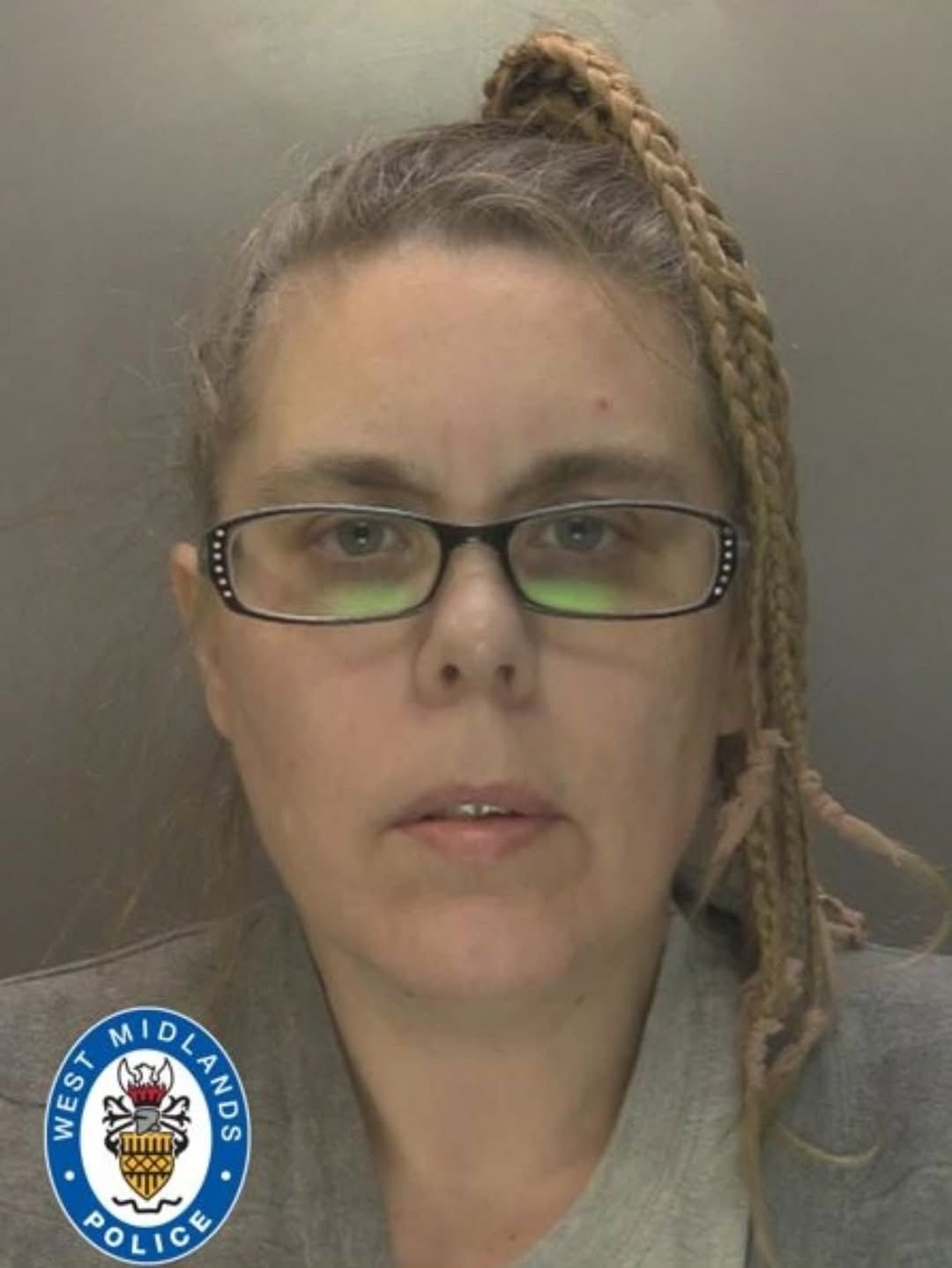
Aimee Betro’s name has become one of the most searched this August in the UK, following her conviction at the Birmingham Crown Court for conspiracy to murder. Her sensational story spans continents, digital trails, and a criminal plot that shook Birmingham. The case, though extraordinary, also sheds light on the growing intersection of online relationships and international crime.
The Story Behind the Headlines
Aimee Betro, a 45-year-old woman from Wisconsin, USA, was convicted for her role in a violent feud that exploded into an assassination attempt in Birmingham. This shocking crime dates back to September 2019, when Betro flew into the UK with a deadly mission: murder Sikander Ali, a local shopkeeper, at point-blank range outside his home in South Yardley.
Betro disguised herself in a niqab, using the garment as a ploy to hide her identity while approaching her target. Standing outside the family home, she confronted Ali with a handgun. Fate intervened as the gun jammed, allowing Ali to escape. Hours later, Betro returned and fired three bullets into the property’s windows before fleeing the UK.
The Feud that Sparked the Plot
This murder plot stemmed from a family feud involving Derby residents Mohammed Nabil Nazir and his father Mohammed Aslam. Years earlier, an altercation at Ali’s father’s clothing shop ignited hostilities. Authorities say Nazir recruited Betro, whom he met on a dating app, to carry out the assassination. The plot was meticulously orchestrated, involving burner phones, clandestine taxis, and a getaway car bought under a false identity.
Investigators say Betro arrived in the UK from the US, purchased a pay-as-you-go SIM card from Tesco, and made contact with her target under the pretence of buying a car. But her true intention was deadly.youtube
Investigation Across Borders
Betro’s failed murder attempt triggered an international manhunt. After leaving Birmingham she returned to America before escaping to Armenia. The UK police, in cooperation with Armenian authorities, tracked her down through forensic evidence and social media clues. Her DNA, found on a glove in the getaway vehicle and ammunition mailed to frame a Derby man, was key in building the case. She was extradited to the UK in early 2025 after a multi-agency global operation.
Detective Chief Inspector Alastair Orencas called the case “a brazen attempt,” noting there wasn’t much effort from Betro to avoid detection. Police relied on CCTV footage, digital forensics, and cross-border collaboration to seal her conviction.

The Trial and Verdict
At trial, Betro refuted her involvement. She insisted it was a “dreadful coincidence” that she was seen near the attempted murder, claiming another American woman with similar looks and attire was responsible. After extensive deliberation, an 11-person jury convicted her of conspiracy to murder, possession of a firearm with intent, and the fraudulent importation of ammunition.
The verdict was described as “a culmination of years of hard work” by prosecutor Hannah Sidaway from the Crown Prosecution Service West Midlands.
Motives and Relationships
Authorities found Betro and Nazir’s connection began on a dating site. The officer said Betro was “highly dangerous and profoundly driven,” having orchestrated multiple attacks across two continents.
During questioning, Betro claimed she had visited the UK previously for music festivals and dogsitting, raising doubts about her explanations. Her attempts to avoid accountability seemed unsuccessful as abundant evidence tied her to the crime scenes.
Fallout and UK Impact
This case has ignited discussion in UK crime and legal circles, highlighting the dangers posed by international criminal conspiracies facilitated via online platforms. Law enforcement officials stress that firearms have no place in British communities and commend the exhaustive investigation that led to Betro’s conviction.
Prosecutor John Sheehan from the CPS Extradition unit pointed to the case as a model for international cooperation to bring offenders to justice.
Wider Implications
Betro’s actions—and those of her co-conspirators—have served as a stark warning about the potential consequences of digital associations turning criminal. The case demonstrates how online connections can transcend borders, causing real-world harm thousands of miles away.
Experts suggest that increased vigilance and cross-border collaboration are now vital in investigating and preventing similar crimes. The successful prosecution stands as a testament to the resilience of UK law enforcement and its commitment to keeping communities safe.
Conclusion
Aimee Betro’s remarkable criminal trajectory—from Wisconsin to Birmingham via clandestine stops in Armenia—has gripped the UK this week. Her guilty verdict closes a dramatic chapter in a case that carried all the elements of a true crime thriller, but also underscores urgent lessons about international criminal activity and the reach of online relationships.
As the UK awaits Betro’s sentencing later this month, both investigators and the public hope the story will deter future attempts while encouraging continued global cooperation in combating cross-border crime.
Read more: unnecessary health care