

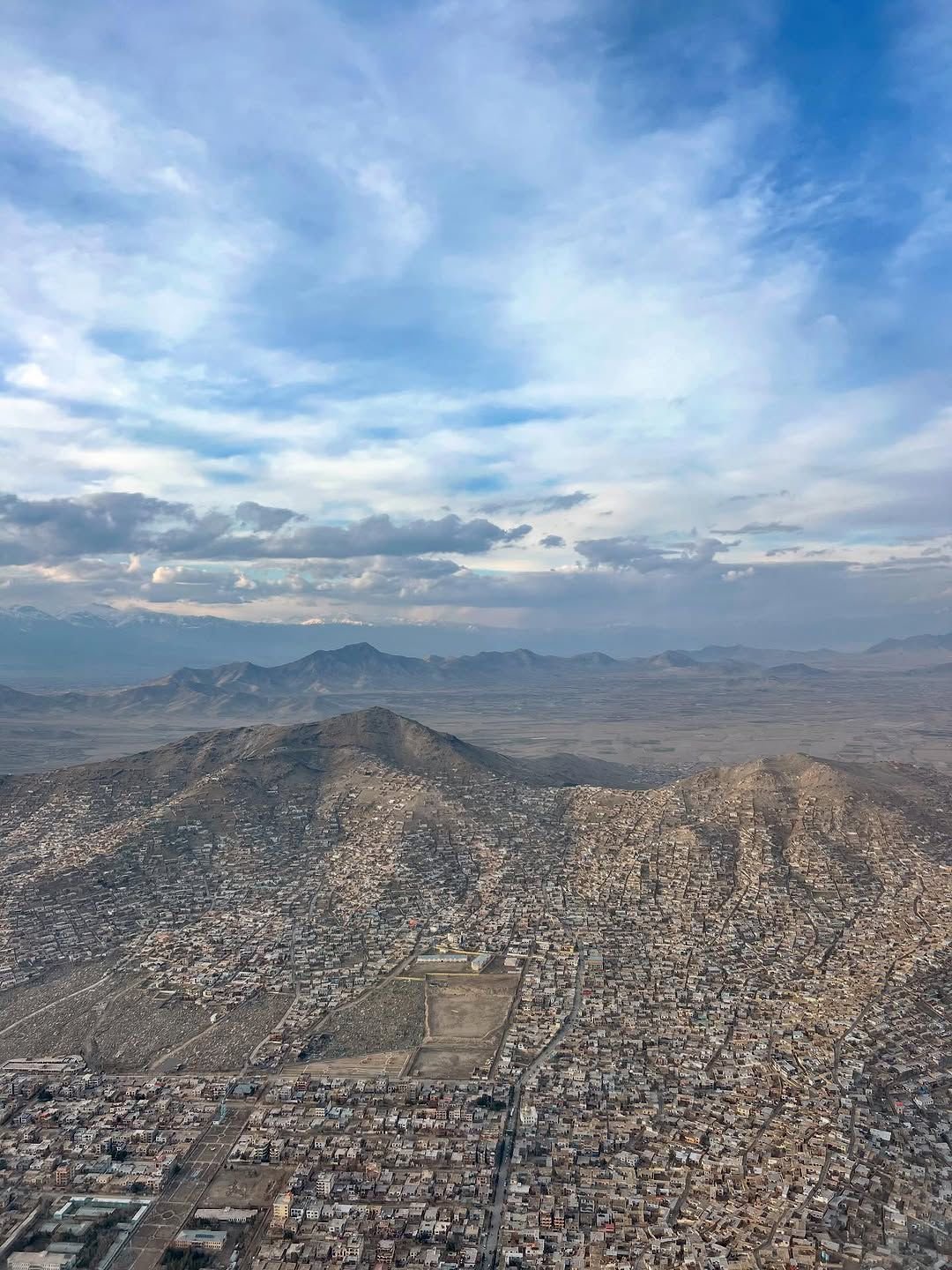
Afghanistan remains a focal point in global headlines, drawing substantial attention from UK readers and policymakers alike. Nearly four years after the Taliban reclaimed control in August 2021, the country faces a mosaic of challenges and changes, with humanitarian crises, economic recovery, migration, and deep UK involvement shaping today’s news cycle.
Life Under the Taliban: Daily Realities and Safety Concerns
The Taliban’s return led to sweeping shifts in Afghanistan’s political and social fabric. Millions who once fled have been forced to return, especially from Iran and Pakistan. The United Nations notes over 1.5million Afghans repatriated so far this year, largely due to expulsion drives by neighbouring countries. For many, this return means confronting an uncertain future, given the regime’s strict social policies and persistent unemployment.
Human rights concerns remain acute. Reports suggest that those formerly connected to Western military efforts—especially UK-linked special forces and interpreters—face heightened danger. Recent data leaks from the UK exposed identities, sparking fears among Afghan families of retribution or persecution on their return. The British government’s Afghan Relocations and Assistance Policy seeks to shield vulnerable partners, but delays and administrative hurdles continue to complicate resettlement efforts.
The Taliban maintains a public stance that Afghans can live without fear, but observers and rights groups dispute these claims. The UN’s “No Safe Haven” report questions the reality of the Taliban’s general amnesty, suggesting ongoing retaliatory threats for those affiliated with Western organisations.
Data Breaches and the UK: A Shadow Over Safety
In 2024 and 2025, UK government data breaches exposed personal details of thousands of Afghans who had worked with British forces, threatening their safety as well as that of family members. The Ministry of Defence admitted that up to 3,700 Afghans brought to the UK could be affected, alongside military personnel and civil servants. Defence Secretary John Healey issued a formal apology, stressing a commitment to transparency, while critics argue the breaches undermine the UK’s obligations to those it pledged to protect.
British MPs and advocacy groups urge stronger policies and faster relocation processes. The high stakes of these breaches—especially for “Triples” special forces and their families—have amplified calls for reform and renewed support.
Migration, Exile, and Pakistan’s “Repatriation” Plan
Pakistan has accelerated a drive to expel Afghan nationals classified as “illegal foreign nationals,” with nearly 1.2million returned to Afghanistan since late 2023. Many refugees arrived after the Taliban’s resurgence, hoping for passage to Europe or the UK. Interior Minister Talal Chaudry has publicly criticised delays in UK relocation pledges, reflecting regional frustration.
At the same time, Afghan departures from Pakistan continue, with families facing harsh choices—detention, deportation, or an uncertain homecoming. The UK remains a preferred destination for resettlement, boots on the ground for humanitarian agencies, and a vital partner in refugee support.
Economy in Transition: Modest Growth Amid Hardship
In economic terms, Afghanistan found modest growth in 2024, with GDP rising 2.5%—marking a second consecutive year of expansion driven by agriculture, mining, and construction. Despite gains, the shadow of restricted aid, frozen assets, and limited access to international banking dampens investment and stunts manufacturing and services. Most families struggle to earn more than £0.84 per day, with poverty and food insecurity widespread.
Unemployment is critical, particularly among youth. One in three young men has no work, while restrictions on women’s economic activity continue to marginalise half the population. As the population grows, per capita income remains stagnant, intensifying external vulnerabilities.
Humanitarian Crisis: Aid Shortfalls and Daily Struggle
Humanitarian needs have surged from 16% of the population in 2019 to 55%—now totalling 23.7million people by mid-2024. Earthquakes, asset freezes, and the forced return of migrants have compounded the crisis, resulting in reduced employment, falling wages, and unstable household incomes. Recent improvements in food security are offset by broader economic fragility, with NGOs still struggling to deliver aid beyond urban centres, where 79% of people now have better shelter options.
Carpet weaving, agriculture, and basic trade remain lifelines for many, but girls and women face increased restrictions. Education for girls remains suspended, forcing many into low-paid or informal jobs to support their families. This rollback in rights, highlighted by international media and humanitarian groups, shapes much of the UK’s debate on Afghanistan and informs wider policy decisions.
The UK’s Role: Assistance, Advocacy, and Debate
The UK continues its active role through humanitarian aid, advocacy, and diplomatic pressure. Successive governments have invested nearly £4billion annually at the peak of their involvement, alongside 457 British service personnel lost in the conflict. UK officials and defence experts remain divided on the legacy and future direction, with many labelling the US withdrawal a costly error.
British support focuses on safe relocation for eligible Afghans, humanitarian funding, and targeted development projects. High-profile resignations and policy discussions highlight the UK’s awareness and involvement in shaping Afghanistan’s future.
Trending Topics: Afghanistan’s Place in UK Searches
Recent Google trends have shown Afghanistan topping search volumes, especially in August, reflecting widespread curiosity and concern among British readers. News searches have centred on rescue policies, security, humanitarian aid, and the local fallout of international events. Social media amplifies the discourse, with debates over the UK’s legacy, responsibility to refugees, and policy responses dominating feeds.
Looking Forward: Cautious Hope and Persistent Challenges
The situation in Afghanistan remains tense, with fragile growth masked by deep humanitarian and social issues. While some economic improvement is noted, much of the population faces chronic hardship, especially women and youth. The UK retains an influential position—as both a donor and resettlement destination—at the intersection of responsibility, security, and rights advocacy.
British readers will continue to watch Afghanistan’s progress, with a keen eye on new policies, humanitarian priorities, and the shifting landscape of global engagement. Today, Afghanistan’s story is not just one of recovery and resilience, but also of the tireless pursuit of safety, dignity, and hope.
Read more: cyprus