

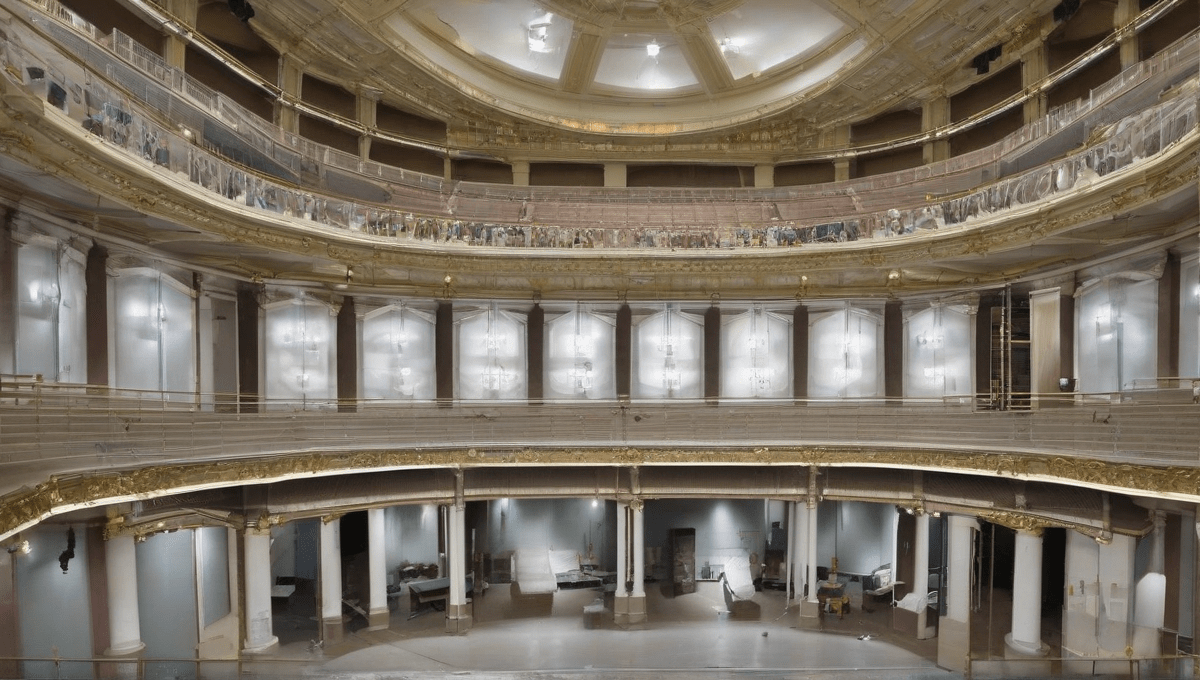
The Royal Opera House (ROH) in London’s Covent Garden is one of the world’s most prestigious cultural landmarks. With a history spanning over 300 years, it has hosted legendary performances, groundbreaking productions, and some of the greatest artists in opera and ballet. But what really happens behind the scenes? How do the magic and grandeur of a world-class performance come together?
In this deep dive, we’ll uncover the hidden workings of the Royal Opera House—from the meticulous craftsmanship of set design to the unsung heroes who make every show possible. Whether you’re an aspiring performer, a theater enthusiast, or simply curious about the inner workings of a historic institution, this guide will reveal the secrets that bring the stage to life.
The Hidden World of Stagecraft: How Sets Come to Life
The Royal Opera House’s productions are renowned for their breathtaking visuals, but few audience members realize the sheer scale of effort that goes into creating them. Behind every stunning backdrop and intricate prop lies a team of designers, carpenters, and technicians working in perfect harmony.
The Design Process: From Sketch to Stage
Before a single nail is hammered, the creative vision begins with the set designer. For example, The Magic Flute (2023) featured a surreal, dreamlike landscape inspired by Salvador Dalí’s paintings. The process starts with:
- Concept Development – Designers collaborate with directors to align the set with the production’s artistic vision. Sketches, mood boards, and 3D models are created to refine the concept.
- Technical Drawings – Once approved, detailed blueprints are produced, specifying dimensions, materials, and construction methods.
- Prototyping & Testing – Small-scale models are built to test mechanics (e.g., moving parts, trapdoors) before full-scale construction begins.
Actionable Insight: If you’re interested in set design, start by studying theater history and architecture. Sketching and model-making are essential skills—practice building mini-sets using foam board or 3D printing.
The Workshop: Where Magic is Built
The ROH’s scenic workshop is a hive of activity, with carpenters, painters, and metalworkers transforming raw materials into theatrical wonders. Key steps include:
- Material Selection – Lightweight yet durable materials like plywood, MDF, and aluminum are used for sets that must be assembled, disassembled, and stored efficiently.
- Painting Techniques – Scenic artists use trompe-l’œil (trick of the eye) painting to create depth. For La Traviata (2022), a Parisian apartment was painted to look three-dimensional from the audience’s perspective.
- Automation & Rigging – Some sets incorporate motorized elements. The Ring Cycle (2012) featured a rotating stage and flying Valkyries, requiring precise engineering.
Actionable Insight: Visit local theaters or workshops to observe set construction. Many offer tours or volunteer opportunities—great for hands-on learning.
The Logistics of Moving a Mountain
A full-scale opera set can weigh over 20 tons and take hours to assemble. The ROH’s stage crew operates like a well-oiled machine:
- Load-In & Strike – Sets are transported in pieces and assembled in the theater. For Swan Lake, the famous lake was built in sections that could be quickly removed between acts.
- Storage Challenges – The ROH’s storage facilities hold over 10,000 set pieces. Inventory management is crucial—each piece is labeled and tracked digitally.
- Quick Changes – Some productions require set changes in under 30 seconds. Rehearsals include “changeover drills” to ensure flawless execution.
Actionable Insight: If you’re interested in stage management, learn about rigging, automation, and inventory software like StageWrite or Vectorworks.
The Unsung Heroes: Meet the Backstage Crew
While performers take the spotlight, the backstage crew is the backbone of every production. These professionals work tirelessly to ensure everything runs smoothly—often without recognition.
Stage Managers: The Puppet Masters
Stage managers are the glue that holds a production together. Their responsibilities include:
- Cue Calling – Using a headset, they coordinate lighting, sound, and set changes with split-second precision. For The Nutcracker, they might call 500+ cues in a single performance.
- Rehearsal Coordination – They document blocking (actor movements), prop placement, and timing, ensuring consistency across performances.
- Emergency Problem-Solving – If a prop breaks or an actor misses an entrance, the stage manager must improvise a solution without the audience noticing.
Actionable Insight: Aspiring stage managers should take courses in theater production and gain experience in local theaters. Software like QLab (for cueing) is essential to learn.
Wardrobe & Wigs: The Art of Transformation
The ROH’s costume department is a marvel of craftsmanship. For Aida, over 500 costumes were created, including intricate Egyptian-inspired designs. Key roles include:
- Costume Supervisors – They oversee fittings, alterations, and quick changes. Some costumes, like ballet tutus, require hours of hand-stitching.
- Wigmakers – Wigs are custom-made for each performer. For The Barber of Seville, wigs were styled to match 18th-century Italian fashion.
- Quick-Change Artists – In Cats, performers change costumes in under 20 seconds backstage. Wardrobe assistants practice these changes repeatedly.
Actionable Insight: Learn basic sewing, millinery (hat-making), and wig-styling. Many theaters offer apprenticeships in costume design.
The Orchestra Pit: Where the Music Comes Alive
The Royal Opera House Orchestra is one of the finest in the world, but their work extends beyond playing. Key insights:
- Rehearsal Schedules – Musicians rehearse separately from singers before full orchestra rehearsals. For Tosca, the orchestra practiced the famous “Te Deum” scene 12 times before the first performance.
- Conductor’s Role – The conductor doesn’t just lead the music; they shape the emotional arc of the performance. Antonio Pappano, the ROH’s Music Director, is known for his dynamic interpretations.
- Acoustics & Sound Engineering – The pit is designed to project sound evenly. Sound engineers use microphones and speakers to balance vocals and instruments.
Actionable Insight: If you’re a musician, study orchestral scores and attend open rehearsals. Many opera houses offer discounted tickets for students.
The Performer’s Journey: From Audition to Standing Ovation
Becoming a principal dancer or opera singer at the Royal Opera House is a dream for many, but the path is grueling. Here’s what it takes to reach the top.
The Audition Process: A High-Stakes Gamble
Auditions at the ROH are highly competitive. For example, the Royal Ballet holds open auditions where hundreds vie for just a few spots. Key steps:
- Preparation – Singers must memorize multiple arias in different languages. Dancers train for years to perfect technique.
- The Callback – If selected, performers may be asked to dance or sing in front of the artistic director. For La Bohème, singers were tested on their ability to act while singing.
- Contract Negotiation – Successful candidates may start as understudies or in the chorus before earning principal roles.
Actionable Insight: Record yourself performing and seek feedback from professionals. Many opera houses offer masterclasses—take advantage of them.
Rehearsals: The Grind Behind the Glamour
Rehearsals at the ROH are intense. For Swan Lake, dancers rehearsed for 8 hours a day, 6 days a week. Key aspects:
- Repetition & Perfection – Performers drill movements until they’re second nature. Mistakes are corrected immediately.
- Collaboration with Directors – Choreographers and conductors work closely with performers. For The Rake’s Progress, director Robert Lepage incorporated interactive projections that required precise timing.
- Physical & Mental Stamina – Opera singers must maintain vocal health, while dancers endure grueling physical training. Injuries are common—physiotherapy is a must.
Actionable Insight: Develop a disciplined practice routine. Cross-train (e.g., yoga for dancers, breathing exercises for singers) to prevent burnout.
Performance Day: Nerves, Rituals, and Adrenaline
On performance day, performers follow strict routines to stay focused. Insider tips:
- Warm-Ups – Singers do vocal exercises; dancers stretch for hours. Principal ballerina Marianela Nuñez starts her day with a 90-minute class.
- Superstitions & Rituals – Many performers have pre-show rituals. Tenor Jonas Kaufmann always eats a banana before going onstage.
- Handling Mistakes – Even professionals make errors. The key is recovery. In Carmen, a dancer once missed a lift but improvised seamlessly.
Actionable Insight: Create a pre-performance routine that works for you. Visualization techniques can help manage nerves.
The Business of Opera: How the Royal Opera House Stays Afloat
Running a world-class opera house is expensive. The ROH’s annual budget exceeds £100 million, with funding coming from ticket sales, donations, and government grants. Here’s how they do it.
Ticket Sales & Pricing Strategies
The ROH uses dynamic pricing to maximize revenue:
- Tiered Seating – Prices range from £10 (restricted view) to £250 (premium seats). Last-minute discounts are offered to fill empty seats.
- Subscription Models – Season tickets encourage repeat attendance. The Ballet & Opera Club offers exclusive perks.
- Accessibility Initiatives – £5 tickets are available for young people, and relaxed performances cater to neurodiverse audiences.
Actionable Insight: If you’re a theater manager, study pricing analytics. Tools like Tessitura can help optimize ticket sales.
Sponsorships & Donations: The Lifeblood of the Arts
Corporate sponsors and donors fund major productions. For example:
- Rolex sponsors the Royal Opera House’s education programs.
- The Linbury Trust funded the renovation of the Linbury Theatre.
- Individual Patrons – Wealthy benefactors may donate millions. The American Friends of Covent Garden supports U.S.-based fundraising.
Actionable Insight: If you’re a nonprofit, build relationships with corporate sponsors. Offer naming rights or VIP experiences in exchange for donations.
Merchandising & Ancillary Revenue
The ROH generates income beyond tickets:
- Programs & Souvenirs – High-quality programs (£10-£20) include behind-the-scenes content. Merchandise like ballet shoes and opera glasses sells well.
- Digital Content – The ROH Stream platform offers pay-per-view performances. During the pandemic, digital revenue surged.
- Tours & Experiences – Backstage tours (£25) and workshops generate additional income.
Actionable Insight: Diversify revenue streams. Offer exclusive content (e.g., artist interviews) to digital subscribers.
The Future of the Royal Opera House: Innovation & Challenges
The ROH is evolving to stay relevant in a changing world. From sustainability efforts to digital innovation, here’s what’s next.
Sustainability: Greening the Opera House
The ROH is reducing its environmental impact:
- Energy Efficiency – LED lighting and solar panels have cut energy use by 30%. The Linbury Theatre is powered by renewable energy.
- Set Recycling – Old sets are repurposed or donated. For The Marriage of Figaro, parts of a previous production’s set were reused.
- Carbon-Neutral Productions – The ROH aims to be carbon-neutral by 2030. Travel for tours is offset through tree-planting initiatives.
Actionable Insight: If you work in theater, advocate for sustainable practices. Use eco-friendly materials and reduce waste.
Digital Transformation: Opera in the 21st Century
The ROH is embracing technology:
- Virtual Reality (VR) Experiences – Audiences can now “step into” productions via VR headsets. The Nutcracker was filmed in 360° for an immersive experience.
- AI & Machine Learning – AI helps analyze audience preferences to tailor marketing. Chatbots provide customer service.
- Live Streaming – Performances are broadcast globally. The Royal Ballet’s Romeo and Juliet was streamed in 1,500 cinemas worldwide.
Actionable Insight: Experiment with digital tools. Offer virtual backstage tours or interactive apps for audiences.
Diversity & Inclusion: Expanding the Canon
The ROH is working to diversify its repertoire and workforce:
- New Commissions – Works by underrepresented composers, like Blue (a contemporary opera about Black fatherhood), are being staged.
- Outreach Programs – The ROH Learning & Participation team runs workshops in schools to introduce young people to opera and ballet.
- Inclusive Casting – Productions like Porgy and Bess feature diverse casts. The ROH has pledged to increase diversity in leadership roles.
Actionable Insight: Support diverse artists. Attend performances by underrepresented creators and advocate for inclusive programming.