

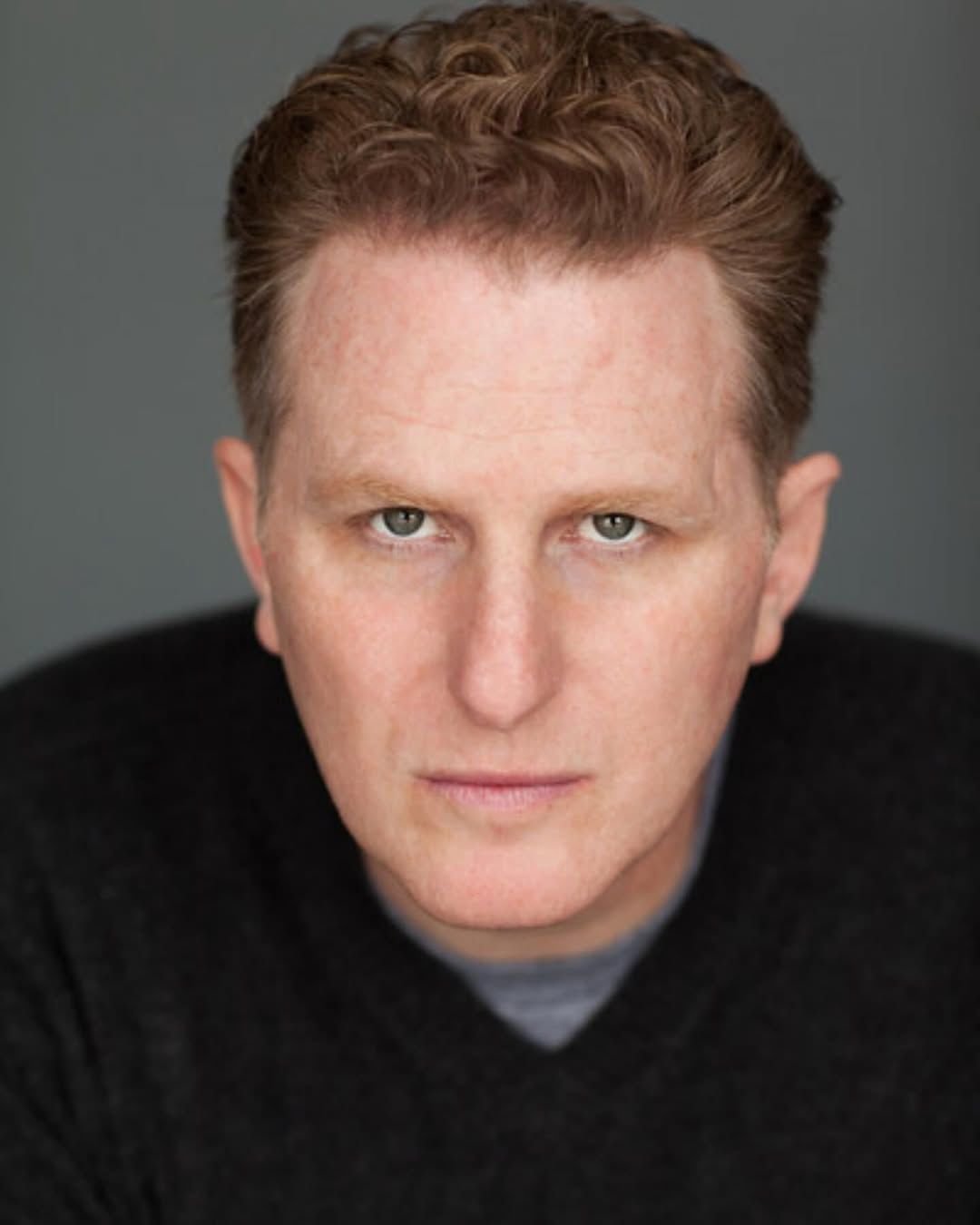
Michael Rapaport, a well-recognised name in Hollywood, has made headlines not just for his acting but also due to his familial connections, particularly his son, Julian Ali Rapaport. As UK audiences show increasing interest in American celebrities and their families, deeper insights into Rapaport’s relationship with his son and the impact on their public profiles are highly sought in news cycles. While the specifics of their relationship remain largely private, the spotlight continues to shine on how celebrity offspring navigate fame and individuality within a UK cultural context.
Michael Rapaport and Celebrity Parenting
Rapaport’s journey through fatherhood mirrors the complexities faced by many parents in the public eye. British readers remain fascinated by the balance between nurturing privacy and managing relentless media attention. In interviews, Rapaport has talked about the importance of instilling resilience and independence in his children — values echoed by family experts in the UK, who note that celebrity-parented children often face pressure to meet public expectations while trying to carve out their own identities.
Julian Ali Rapaport: Contemporary Trends
Julian Ali Rapaport, Rapaport’s son, reflects a generation growing up surrounded by social media and global attention. Although Julian keeps a comparatively low profile, he represents a cohort of celebrity children who, influenced by parental fame, must contend with digital scrutiny and evolving standards of personal achievement. UK-based debates on youth mental health increasingly focus on how high-profile children, like Julian, adjust to their unique lifestyle pressures.
Data from the UK’s Office for National Statistics shows growing concerns about social media exposure and its psychological effects on young people. Experts suggest strategies such as media literacy education and positive parental role modelling as essential to helping children in high-profile families navigate public attention. The Rapaport family’s public yet careful approach aligns well with these recommendations, as seen in similar UK households.
Influence and Individuality: The UK Perspective
British audiences often compare American celebrity parenting styles with those in the UK, noting differences in media handling and approaches to privacy. Rapaport’s commitment to giving his son autonomy speaks to wider British trends where successful family upbringing is linked to encouraging self-expression and maintaining healthy boundaries. This resonates with policies promoted by UK organisations like NSPCC, which advocate supportive parenting and practical education about fame.
Moreover, talent agencies in both the UK and US increasingly spotlight celebrity children’s individual merits, moving beyond just celebrity lineage. Recent surveys by UK media outlets indicate that fans are keen to follow these young individuals not for their famous parents, but for their personal achievements and unique interests.

Navigating Public Platforms
Social media continues to alter how British audiences engage with American celebrities and their offspring. Julian’s decision to stay out of the constant limelight has shaped public discourse around privacy, especially among children of well-known parents. UK psychologists highlight the importance of giving young people control over their online presence while also teaching them to cope with inevitable public commentary. Rapaport’s strategy aligns with these UK values and provides a roadmap for others in similar positions.
Michael Rapaport’s current relationship with his son
Michael Rapaport maintains a private and supportive relationship with his sons, Julian and Maceo, rarely sharing details publicly but emphasising his commitment to parenting and family values. He has discussed his experiences as a father in interviews, stating that parenthood is an ongoing challenge requiring patience and adaptability, although he refrains from posting about his sons on social media or making frequent public statements about their personal lives. Rapaport was especially open about milestones like sending his eldest son Julian to college, describing the experience as significant yet reassuring since it took place in a familiar environment.
Despite his visibility as an actor and comedian, Rapaport chooses to keep his family matters away from the spotlight, focusing instead on offering broader reflections about parenting, resilience, and the importance of guidance in his children’s development. His relationship with his sons appears strong and rooted in support, but private by design, consistent with UK trends favouring the protection of children’s privacy in celebrity families.
Expert Insights: Family Life in the Spotlight
In recent public statements, Rapaport has emphasised the need for patience, empathy, and consistency when raising children under scrutiny. UK parenting consultants reiterate that open communication and positive reinforcement play critical roles in fostering resilience among young people, especially those subjected to media headlines. Studies from UK academic sources on celebrity family life support the notion that adaptive parenting improves outcomes both for parents and children.
The UK’s continued appetite for celebrity news, combined with local concerns about media intrusion, has shaped conversations about the future of children like Julian. Reports from British Child Psychologists also encourage parents and the media to protect children’s rights to privacy, especially as internet use intensifies public interest.
The Evolving Role of Celebrity Children
Media coverage in the UK and worldwide increasingly highlights the innovative ways that celebrity children, such as Julian Ali Rapaport, pursue their interests and develop independent careers. UK audiences are particularly attuned to success stories where famous offspring succeed on their own merits. Rapaport’s parenting, involving careful guidance and respect for autonomy, aligns well with British values of self-determination and personal growth.
Conclusion: Impact and Legacy
The interest in Michael Rapaport’s son and family does more than satisfy curiosity; it reflects broader themes relevant to UK society, such as privacy, healthy parenting, and individual development. As British audiences keep watch on both the challenges and triumphs of celebrity families, Julian Ali Rapaport’s journey presents a model of thoughtful parenting and adaptive resilience. By supporting independence and managing fame, the Rapaport family’s experiences offer valuable lessons for UK readers navigating similar landscapes.
Read more: paul cerrito