

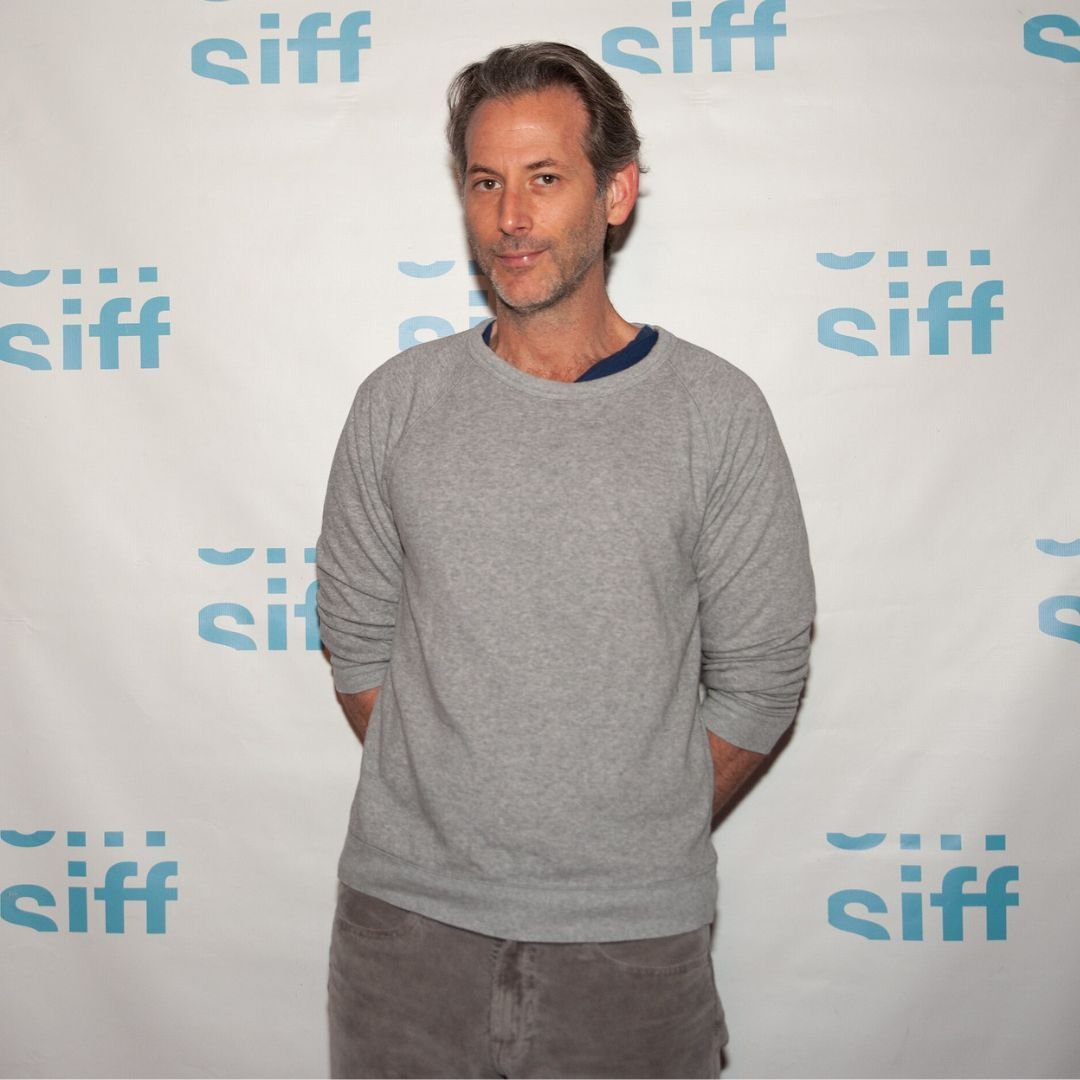
The UK film industry, along with global cinema enthusiasts, was recently shaken by the tragic loss of Jeff Baena. The accomplished American writer and director died by suicide at 47 in January 2025, leaving behind a legacy of distinctive films and a network of collaborators, including his wife Aubrey Plaza. News of his passing quickly spread across UK news platforms and social media, with fans and critics reflecting on both his creative achievements and his personal journey.
Early Career: From Assistant to Screenwriter
Having graduated from New York University’s prestigious Tisch School of the Arts, Baena’s career began behind the scenes. He worked as a production assistant under Hollywood giants such as Robert Zemeckis and David O. Russell. These formative years helped shape his cinematic style and storytelling instincts. Baena’s first major breakthrough came as the co-writer of the philosophical comedy “I Heart Huckabees” (2004), which starred Dustin Hoffman and Lily Tomlin.
Directorial Debut and Defining Style
Jeff Baena’s directorial debut arrived with the indie horror-comedy “Life After Beth” (2014), starring Aubrey Plaza. The film earned critical acclaim for its dark humour and surprising emotional depth. His improvisational, post-mumblecore style became a signature in subsequent works, drawing attention from UK film critics for its originality.
“Joshy” (2016) and “The Little Hours” (2017) added to Baena’s growing reputation. “Joshy,” starring Thomas Middleditch, was noted for its exploration of grief and male friendship, while “The Little Hours,” with Plaza and Alison Brie, found acclaim as a period comedy with a modern, irreverent twist. Both films achieved cult status on UK streaming platforms, praised for their fresh takes on familiar themes.
Collaboration and Creative Partnerships
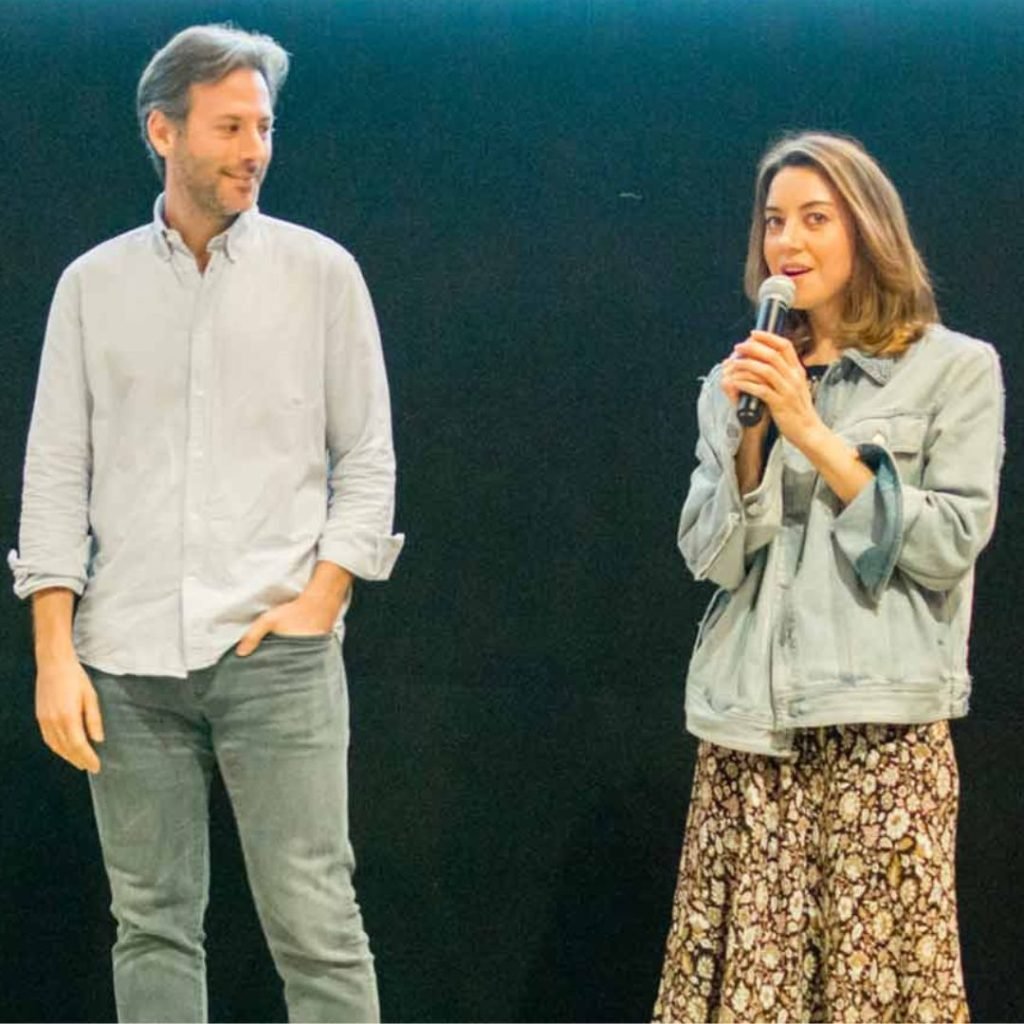
Collaboration defined Baena’s career. Beyond his personal relationship with Aubrey Plaza—whom he married in 2021 after years of partnership—he forged meaningful creative bonds, notably with Alison Brie. Their partnership led to works like the psychological drama “Horse Girl” (2020) and the anthology series “Cinema Toast” (2021). Baena’s openness to collaboration and his improvisational working style inspired admiration across the UK’s independent filmmaking scene.
UK critics frequently highlighted his ability to balance absurdity with emotional weight, especially in films that tackled grief or identity. His willingness to experiment while maintaining audience empathy made him a distinctive voice among contemporary directors.
Recent Projects and UK Relevance
Baena’s most recent works continued to attract international and UK attention. “Spin Me Round” (2022), a comedy set in Italy, and “Horse Girl” found dedicated audiences among British viewers who are drawn to unconventional narratives and challenging subject matter. “Cinema Toast” further underscored Baena’s interest in blending genres and reimagining classic film forms.
British film festivals regularly featured Baena’s films, and his work received coverage in UK outlets such as The Independent and BBC News. The director’s presence at the London Film Festival was often a highlight for indie film buffs.
Personal Life and its Impact on His Work
Baena’s creative journey was deeply intertwined with his relationships, especially with Plaza. The pair collaborated on multiple projects, often blurring the lines between their personal and professional lives. After their wedding, which took place during the Covid pandemic, the couple shared more of their journey, with Plaza expressing gratitude for their time together despite industry challenges. Their marriage, private yet celebrated by fans, was marked by mutual creative respect and understanding.
Aubrey Plaza’s moving public comments following Baena’s death resonated across UK audiences. Speaking candidly about her grief on Amy Poehler’s podcast, Plaza described the experience as “a giant ocean of awfulness,” drawing attention to mental health and loss in the entertainment industry. Her reflections have sparked conversations in the UK about bereavement, mental health support, and the role of creative work in personal healing.
Legacy and Influence
Jeff Baena leaves behind a unique and influential body of work. His films resonated in the UK for their blend of improvisation, emotional depth, and genre-bending ambition. As British audiences continue to explore his filmography, Baena’s commitment to authenticity and creativity stands as a model for both emerging and established directors.
Industry experts have pointed to Baena’s courage in tackling challenging themes and his generosity in collaboration.
Reflection: What UK Audiences Can Learn
Jeff Baena’s story is not only a tale of creative achievement but also of personal vulnerability. For many in the UK, his journey underscores the importance of dialogue about mental health. Films like “Horse Girl” and “Joshy” remain part of the conversation, reminding audiences that cinema is both a mirror and a means of personal catharsis.
UK-based mental health advocates encourage anyone affected by news of Baena’s passing to seek support and to recognise the role of creative pursuits in processing life’s challenges. As conversations continue, Baena’s work stands as a reminder of the enduring relationship between art and well-being.
Conclusion: A Fond Farewell
Jeff Baena’s legacy stretches well beyond Hollywood. British audiences, critics, and artists will continue to discover the layers of meaning in his films. His influence as a director, writer, and collaborator will remain present in UK film circles for years to come. In remembering Baena, we also reflect on the power of storytelling—to connect, heal, and inspire across borders and generations.
Read more: bank holiday universal credit payments