

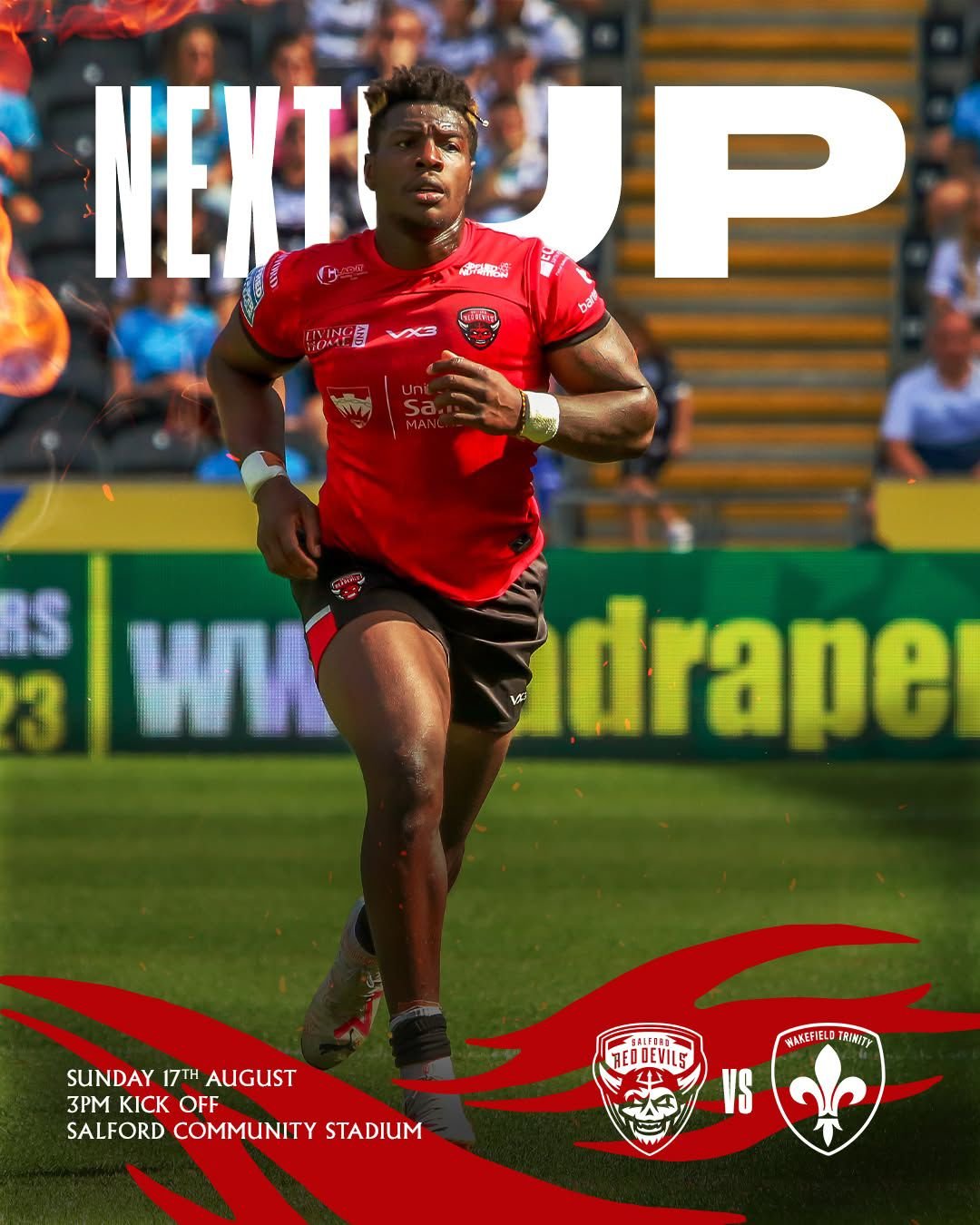
The clash between Salford Red Devils and Wakefield Trinity was expected to be a key Betfred Super League fixture in August 2025. Instead, its abrupt cancellation has exposed the deep challenges faced by Salford—focusing UK attention on rugby league’s wider financial issues, the burden on players, and the impact on fans and the sport’s sustainability.
What Happened: Cancellation and Controversy
The club simply could not field a competitive team, with only two senior players available and eleven first-team members injured. Loan signings filled most of the roster, but the situation was deemed unsafe following an 80–6 defeat at Hull FC the previous week when five debutants featured. The Rugby Football League (RFL), RL Commercial, and Rugby League Cares consulted with the club before agreeing the cancellation, citing significant concerns over player welfare.
According to official statements, Salford reluctantly withdrew as a last resort. The RFL board will decide the fate of the match—likely awarding Trinity a 48–0 win by default, as stipulated by operational rules. Replays are off the table due to the packed league calendar, making forfeiture almost certain.
Salford’s Season in Freefall
This cancellation did not occur in isolation. Salford have suffered all year, with mass player departures—13 since February—and mounting injuries. Their fans, frustrated by ongoing financial instability, planned a protest at the Salford Community Stadium, demanding answers from the club’s ownership and better stewardship. Despite the turmoil, owners insist the club “will not close” and are building for future sustainability.
Wakefield Trinity: Benefiting from the Crisis
For Trinity, the outcome boosts their playoff aspirations. Historically, Salford and Wakefield have contested 156 matches since 1904, splitting victories nearly equally. But recent form favours Trinity, who earlier this season registered a thumping 72–10 win over Salford, equalling their all-time Super League record margin. Lachlan Walmsley and Ellis Lingard led the scoring, with Trinity’s attack showing much greater resilience against a depleted Red Devils squad.
With the default win, Wakefield continued their push towards the top six—though many in rugby league acknowledge that a competitive fixture would have better served fans, broadcasters, and players alike.
Voices from the Stands: Fans Demand Accountability
The cancellation of Salford Red Devils vs Wakefield Trinity has united supporters in their calls for greater transparency. Many fans marched in protest outside Salford’s Community Stadium, voicing frustration over the lack of communication from club management and the ongoing uncertainty about the team’s future. For loyal followers, rugby league is more than just sport—it’s a vital part of local identity.
Social media channels and online forums have reflected this passion, with many sharing personal stories of how club struggles affect their families and communities.
Wider Challenges Facing Rugby League
The crisis at Salford highlights broader issues in UK rugby league, including player burnout, financial instability, and the disparity between clubs. Experts warn that the sustainability of the Super League model depends on strong financial controls, better support systems for athletes, and league-wide efforts to boost grassroots participation.
While Wakefield Trinity profit on the pitch, the lack of a competitive match serves as a cautionary tale for the sport. Clubs across England are watching closely, realising that robust club management and consistent investment in player welfare are crucial for long-term resilience.
Player Welfare: At the Heart of the Crisis
Behind the headlines lies a debate about player welfare. Fielding an almost entirely inexperienced side could have risked injuries and undermined the competition’s integrity. Salford’s reliance on loans, the loss of experienced stars, and the stretched medical resources made the situation untenable. The RFL’s intervention reflects growing concern about safeguarding athletes amid fixture congestion, financial stress, and a shrinking pool of healthy players.
Rugby league’s culture of resilience and duty has been hit hard by the reality of club mismanagement and injury crises. Chief Operating Officer Claire Bradbury’s recent resignation amid allegations of misogynistic comments from club ownership has fuelled further uncertainty and scrutiny about governance standards at Salford.
Impact on Fans, Sponsors, and the League
Sponsors and broadcasters, especially Sky Sports, must navigate the aftermath of repeated fixture disruptions—breaching contracts for six matches per round and raising wider concerns for Super League’s commercial viability.
With five games left to play, Salford’s ability to finish the season is in doubt, risking more broadcast, ticketing, and sponsorship losses that could reverberate through Rugby League’s foundations.
The Road Ahead: Lessons and Solutions
As the RFL prepares to investigate the cancellation and determine long-term support for struggling clubs, the need for stronger governance and player support is clear. Expert commentators suggest urgent reforms, recommending a sustainable salary cap, increased investment in youth development, and more transparent club management.
Wakefield Trinity, meanwhile, look set for a strong finish, but even successful clubs recognise the importance of healthy competition and league-wide stability.
Closing Thoughts
Red Devils vs Trinity was meant to be a showcase of Super League rugby’s excitement but became a sobering lesson in the cost of financial mismanagement and the fragility of player welfare in the modern game. As fans, club owners, and the RFL reflect on recent events, rugby league’s future will depend on meaningful reform—and public support—from all corners of the UK sporting community.
Read more: house of guinness