

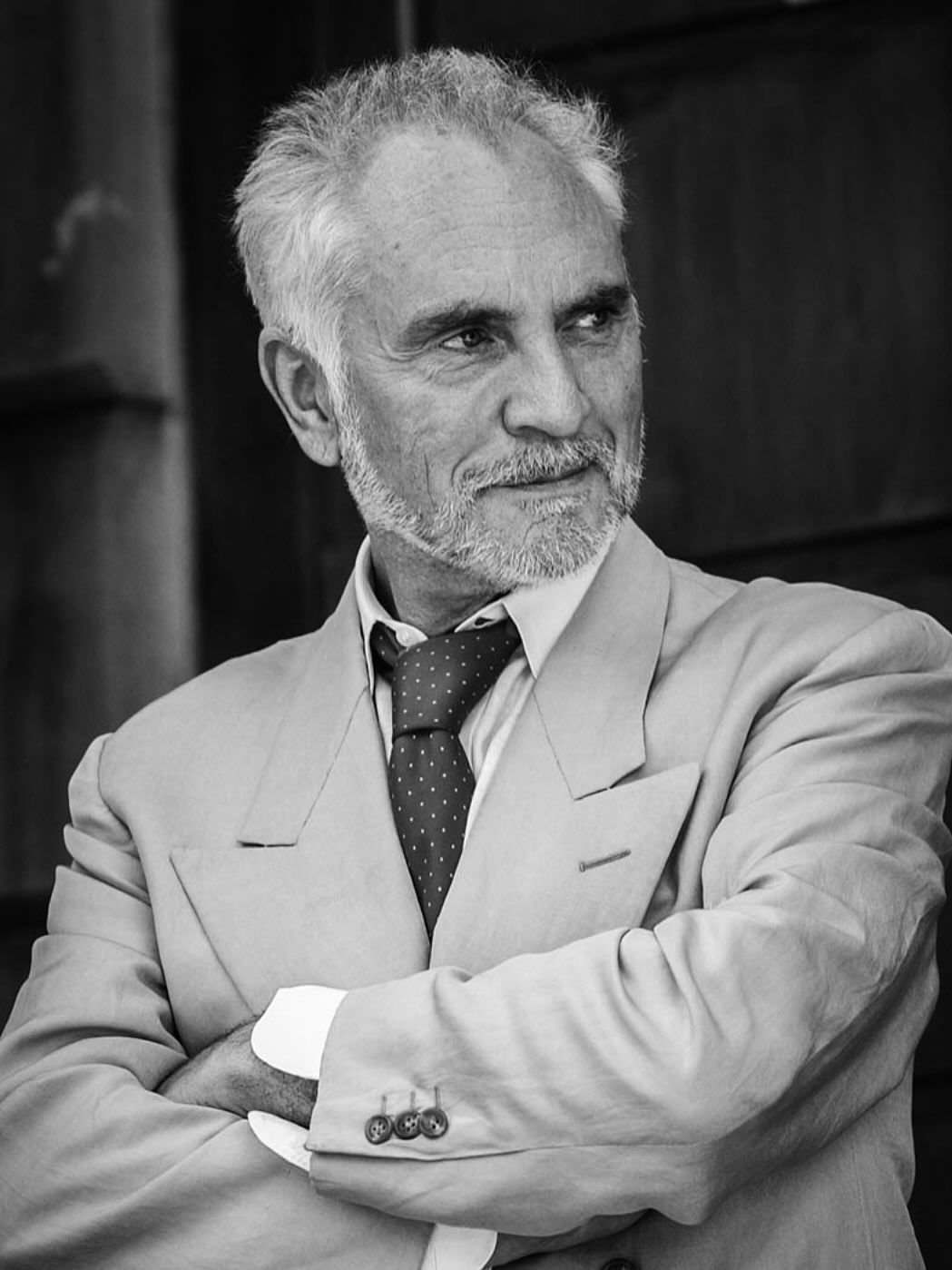
Terence Stamp, one of Britain’s most influential actors, passed away on Sunday, 17 August 2025, at the age of 87. Stamp’s extraordinary six-decade career and his unforgettable presence in British and international cinema have made him a household name in the UK and beyond. His legacy is especially poignant now, as the news of his death has dominated trending searches across the country and sparked tributes from fans, critics, and the film industry alike.
Early Life and Path to Stardom
Born in Stepney, East London, in 1938, Terence Stamp was the son of a tugboat stoker. He endured the horrors of the London Blitz during World War Two—a formative experience that shaped his resilience. After leaving school, Stamp’s first professional steps were in advertising, before a scholarship to drama school set him on a path toward stardom.
By 1962, he was starring in “Billy Budd,” a role that earned him an Oscar nomination for Best Supporting Actor and a Golden Globe for Best Newcomer. His working-class background was notable in an era when British theatre and film were opening up to actors who didn’t fit the mould of received pronunciation.
The Swinging Sixties and Breakthrough Roles
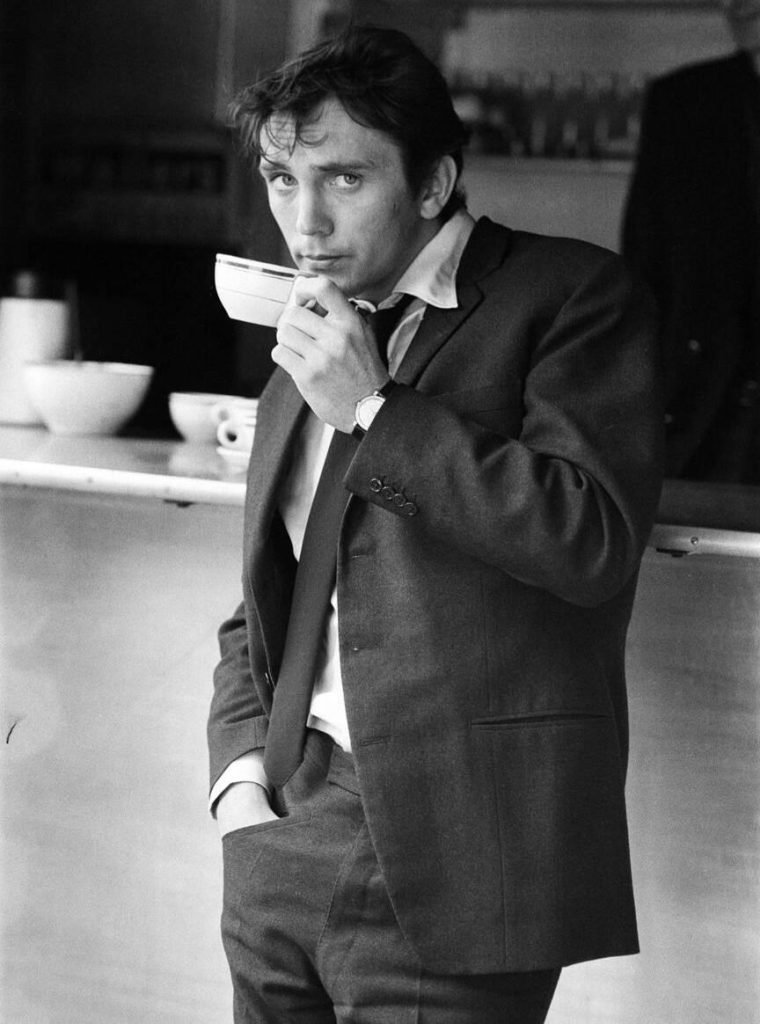
Stamp came of age during London’s vibrant Swinging Sixties. He was part of a glamorous scene that included close friends Michael Caine and Peter O’Toole, as well as high-profile relationships with actress Julie Christie and model Jean Shrimpton. The iconic photographer David Bailey featured Stamp in his landmark collection “Box of Pin-Ups,” cementing his status as one of the era’s true icons.
He starred opposite Christie in “Far from the Madding Crowd” (1967) and further established his reputation with roles in Ken Loach’s “Poor Cow” and Pier Paolo Pasolini’s “Theorem.” Stamp’s distinctive style and brooding presence made him an audience favourite and a frequent muse for directors seeking authenticity and depth.
Genre-Defining Villainy
Although Stamp’s early career was hallmarked by critically acclaimed performances in British film, he achieved international fame for his portrayal of General Zod in “Superman” (1978) and “Superman II” (1980). His performance as the arch-villain—complete with the unforgettable command “Kneel before Zod!”—is regarded as one of the definitive cinematic depictions of villainy.
This role not only won him new generations of fans but also demonstrated his ability to balance sophisticated menace with charm. Stamp’s Zod remains an iconic figure in both British and global pop culture. He brought the same intensity to later films such as “Valkyrie,” “The Adjustment Bureau,” and “Wanted,” proving his versatility and enduring appeal.
Later Career and Spirituality
He took time out in the late 1960s to immerse himself in yoga and spirituality, studying in India and developing a keen interest in mysticism. This period of reflection deeply influenced his work and public image. Upon returning to the screen, he played a transgender woman in “The Adventures of Priscilla, Queen of the Desert” (1994), earning critical praise and another Golden Globe nomination.
He continued to challenge expectations, starring in independent films like “The Limey” (1999) and tackling diverse roles in “Wall Street,” “Star Wars: Episode I – The Phantom Menace,” “Big Eyes,” and “Last Night in Soho.” Stamp was known for advocating for working-class actors, embracing his East End roots, and speaking openly on issues of identity and class in British cinema.
Net Worth and Legacy
At the time of his passing, Terence Stamp’s net worth was estimated at £7.8million ($10million). While this statistic is notable, his true legacy lies in the impact of his performances and the doors he opened for future generations of UK actors.
Stamp’s death has prompted an outpouring of tributes from colleagues and fans. His family reflected: “He leaves behind an extraordinary body of work, both as an actor and as a writer, that will continue to touch and inspire people for years to come.”
Expert Insights and Industry Reflections
Film critics and industry insiders have highlighted Stamp’s transformative influence on British acting. According to The Guardian, he was “the master of the brooding silence.” The BBC credits him for bringing “authenticity and grit” to a film industry often challenged by class barriers.
His advocacy for spiritual growth—frequently discussed in interviews—also inspired colleagues and fans. In public appearances, Stamp spoke of the importance of self-discovery, wellness, and creative freedom.
Conclusion
Terence Stamp’s passing marks the end of an era for British cinema. His contributions as an actor, style icon, and advocate for inclusivity remain deeply respected. From his early days in East London, through the swinging Sixties, to blockbuster villainy and soulful performances, Stamp engaged, challenged, and entertained audiences for over 60 years.
His legacy will inspire future actors and film lovers in the UK and beyond. As the public remembers Stamp in trending searches, news headlines, and tributes, his work stands as a testament to the authenticity and bold spirit of British culture.
Read more : jasmine paolini