

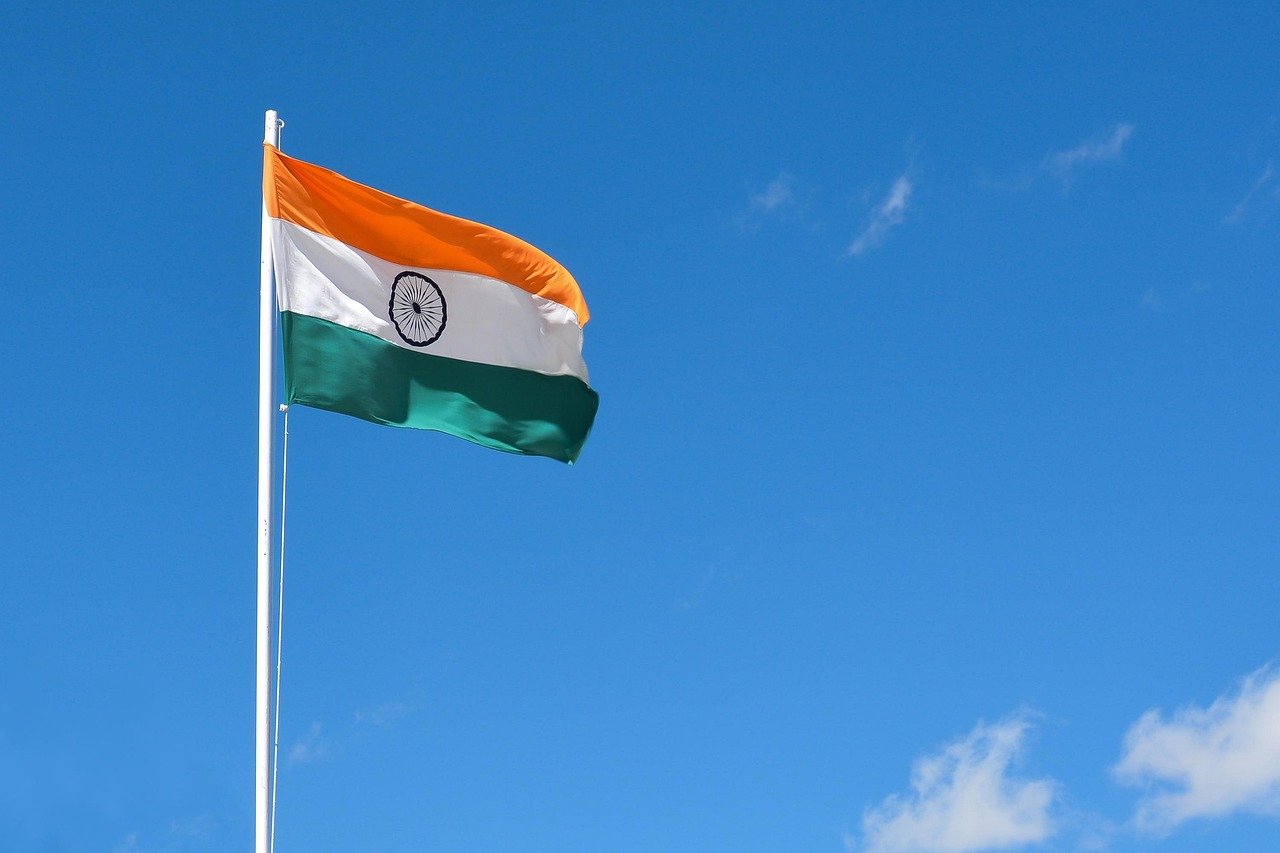
On August 15, millions around the world pause to honour Independence Day—a celebration rooted in the hard-won freedom of 1947 when India ended over two centuries of British colonial rule. While the day holds special significance for people of Indian heritage in the UK, it increasingly sparks reflection about the meaning of independence, unity, and national pride among wider British society.
What Independence Day Means in 2025
This year—Friday, August 15—marks India’s 79th Independence Day celebration. The moment commemorates the day the nation became free and is a reminder of the sacrifices made by countless women and men who fought for liberty. Each year, the official theme reflects India’s ambitions for social progress, unity, and development. For 2025, the theme “Naya Bharat” (New India) focuses on building a prosperous and independent nation with collective responsibility as a guiding principle.
Festivities begin with the prime minister’s ceremonial flag hoisting at Delhi’s Red Fort, followed by the stirring national anthem and a 21-gun salute. The prime minister’s speech pays tribute to the armed forces, honours acts of bravery, and outlines progress and future aspirations. In cities across India and diaspora communities around the world, including the UK, Independence Day is observed with parades, cultural performances, flag hoisting, and community gatherings.
Independence Day in the UK: A Growing Tradition
Though Independence Day is not a British public holiday, it has become a key cultural moment for British Indians and South Asian communities. Across London, Manchester, Birmingham, and Leicester, you’ll find community centres alive with the tricolour flag, food fairs offering classic Indian dishes, and cultural events that draw crowds from all backgrounds.
Schools and universities use the day to explore Indian history, reflecting on colonialism and the shared roots between the UK and India. For many in the UK, Independence Day is also a chance to examine the evolving bonds of friendship, trade, and cultural exchange between the two nations.
Local councils and charities frequently organise flag hoisting and panel discussions, inviting members of Parliament and community leaders to share insights on freedom, diversity, and unity. These events not only celebrate India’s achievements but also foster connections in Britain’s increasingly multicultural society.

Popular Traditions: Flags, Kites, and Colour
A staple of Independence Day is the bright display of the Indian flag. You’ll see it flying over homes, community centres, and even select UK public buildings hosting multicultural events. In India, kite flying is a popular tradition—originally a symbol of protest during the struggle for independence—that fills the sky with colour on August 15.
Cultural shows featuring music, dance, and poetry capture the rich heritage passed down through generations. In the UK, Bollywood dance workshops, food festivals, and street parades offer a vibrant take on these traditions, often merging Western and Indian styles in a spirit of collaboration and joy.
The Deeper Significance of Independence Day
The day’s message goes far beyond celebration. It challenges people to remember the importance of social progress, justice, and national development. The prime minister’s speech is broadcast worldwide, inspiring citizens to reflect on the country’s journey from hardship to resilience and global leadership.
British politicians and commentators have increasingly highlighted the day as an opportunity to discuss shared values like democracy, inclusivity, and human rights. In recent years, the UK government has acknowledged the contributions of the Indian diaspora—now numbering over 1.6 million people—who have helped shape politics, business, science, and the arts in Britain.
Social Media, Wishes, and Modern Celebrations
In 2025, Independence Day is as much a digital event as a physical one. Trending hashtags, shared “Happy Independence Day” wishes, and viral posts fill social networks with pride, historical facts, and inspirational stories. For some, a happy Independence Day message to relatives abroad is a simple act of connection, renewing waves of patriotism and hope.
Younger generations are using Independence Day not only to remember history, but to imagine what real freedom means today. Panel discussions on climate, gender, technology, and equality are growing attractions at Independence Day events in the UK.
Looking Forward: Building Bridges, Honouring the Past
Independence Day is a reminder of the work still to be done—in India, in Britain, and around the world—to promote justice, opportunity, and unity. As British Indians and their friends celebrate in 2025, they do so with clear eyes on both history and the future, recognising the importance of freedom in all its forms.
This year, let us wish everyone a happy Independence Day, honouring sacrifice, celebrating resilience, and nurturing stronger bonds between generations and nations. The values of freedom and unity remain universal, lighting the way for progress and shared celebration across both the UK and the globe.
Read more: wordle answer