

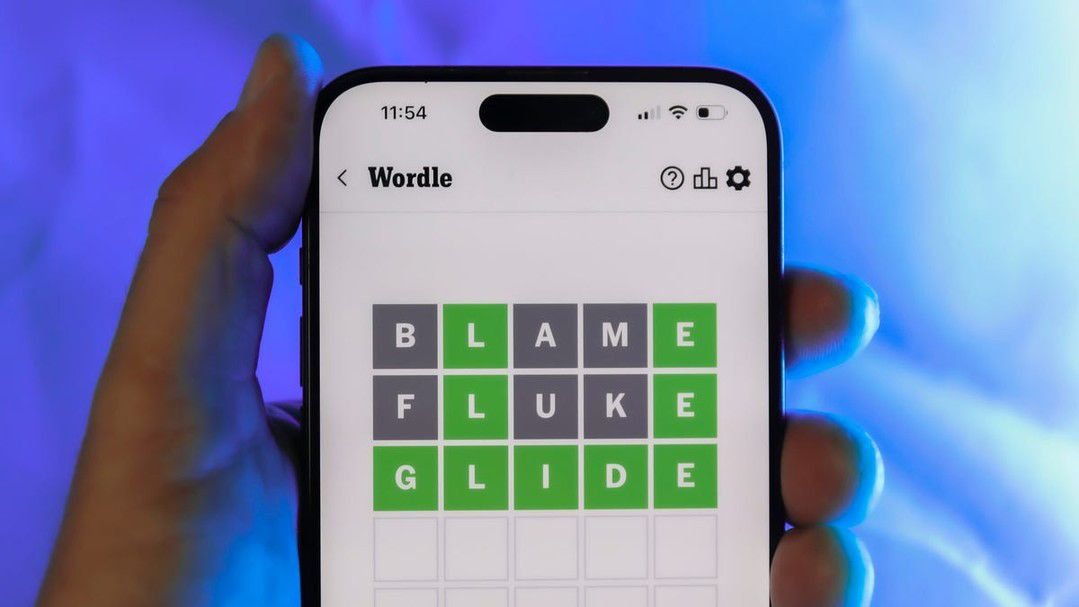
Wordle has evolved from a simple online word game to a daily ritual for millions across the UK. In August 2025, it remains one of the most searched terms, regularly trending in Google’s charts as Britons from all walks of life join the global conversation. Whether you play with family, challenge colleagues each morning, or prefer late-night solo sessions, the appeal of this five-letter guessing game endures. This article unpacks the story behind Wordle’s success, shares expert guidance, and reveals the official answer for today’s puzzle.
Today’s Wordle Answer: What Is the Solution for 14 August 2025?
If you visited Twitter or checked WhatsApp groups this morning, chances are you spotted talk about today’s Wordle answer. Puzzle #1517 for Thursday, 14 August 2025 features a word that many find both evocative and sneaky. The official solution, as confirmed by major puzzle trackers, is KNELL.
A knell refers to the mournful sound of a bell—especially one rung to mark a death or funeral. It also operates as a metaphor, signalling an ominous warning or the end of an era. Today’s choice fits Wordle’s tradition of mixing up everyday favourites (like “PLANT” or “EARTH”) with words that stretch vocabularies and test your deduction skills.
This answer contains a double “L,” one vowel, and begins with the seldom-used “K”—details that often trip up even seasoned players. For those who struggled, a tip: thinking about sound-based words or bell-related terms might have pointed you in the right direction.
The Wordle Phenomenon: How It Became a British Staple
Originally created by Welsh engineer Josh Wardle, Wordle exploded in popularity at the end of 2021. Simple but clever innovations—such as the now-famous emoji-sharing grid and the one-puzzle-per-day system—turned the game into a social sensation. By early 2022, The New York Times acquired Wordle and integrated it into their games platform, introducing account logins and statistic tracking without paywalls or aggressive advertising.
In the UK, Wordle’s rise paralleled lockdown culture, when families and friends sought ways to stay connected and entertained. Wordle’s accessibility—requiring nothing more than a browser and a working brain—meant anyone could play. It didn’t matter if you were a crossword devotee or a word game novice; the communal experience of tackling the same puzzle gave Britons, young and old, something to share each morning.
Daily Rituals: The Midnight Reset and Social Sharing
Wordle posts a new puzzle each day at midnight local time, quickly setting off a wave of competitive and collaborative solving. Some Britons vie for early bragging rights, posting their coloured grid to social media before breakfast, while others wait to play at lunch or with tea. The custom of sharing results publicly—without spoiling the solution—fuels friendly banter and gentle rivalry.
Many households, workplaces and schools incorporate Wordle into routine, using it to break the ice, build vocabulary, or simply add a burst of fun to the day. Its unique pacing—one game per day—creates anticipation and cultivates discipline, a rare contrast in an era of endless content.
How Brits Approach the Puzzle: Popular Strategies and Letter Analysis
UK players quickly developed their own solving traditions. Many begin with a “starter word” known for including the most common letters. Data gathered over the years shows “E”, “A”, “R”, “O”, “I”, “S” and “T” are among the most frequent in Wordle answers. Starting with words like “CRANE”, “SLATE” or “EARTH” maximises your chance of turning tiles green or yellow early on.
Letter frequency also guides advanced tactics. Common positional letters in five-letter words (such as “S” or “C” at the start, “Y” or “D” at the end) frame efficient guesses. For puzzles with rare starters or double letters, players often pivot to sound-based clues, synonyms, or thematic guesses. Solving the game in three attempts is brag-worthy; six tries and you’re cutting it close, but still part of the Wordle fraternity.
Latest Trends: Wordle in Schools, Newsrooms, and Digital Culture
Far from fading, Wordle’s influence in the UK continues to grow. Teachers use it as a warm-up exercise for English lessons, encouraging analysis and spelling awareness. News outlets like BBC and The Guardian feature “Wordle of the Day” commentary, and workplace chats buzz with solvers eager to share streaks or tips.
Digital culture has embraced Wordle as a shared touchstone. Spinoff games, “Wordle bots” for hints, and solver tools help both new and veteran players overcome tough days. Google Trends regularly registers “Wordle answer today” in the top searches, proving that interest isn’t waning.
Why Wordle Still Matters: The Community and The Challenge
Wordle stands out because of its blend of tradition and innovation. The single daily puzzle keeps it competitive but friendly. The soothing interface, lack of distractions, and simple colour-coded clues make it accessible even for those who avoid digital games.
Its appeal runs deeper in British culture, mirroring the competitive charm of the crossword and the inclusive spirit of a pub quiz. For many, solving Wordle is a way to connect, learn, relax and reset—forming a virtual community larger than any gaming app or word challenge.
Wordle Answer Tools and Expert Advice
For those eager to up their game, several UK sites offer expert advice and solver tools. Entering confirmed letters, positional clues, and eliminating used tiles narrows down possible solutions. While some purists argue for manual solving, most agree that learning from daily puzzles and discussing strategies improves both vocabulary and logic. UK experts recommend practising with five-letter word lists, focusing on sound patterns and rare consonants.
Looking Ahead: Wordle and Its British Legacy
Wordle’s longevity is a testament to its clever design and community appeal. In August 2025, it remains a fixture in the UK’s digital life, continuing to evolve through editor-guided word choices and community feedback (with Tracy Bennett at the helm since late 2022). The game’s gentle learning curve and collaborative spirit give it wider staying power than most viral challenges.
As school resumes and summer winds down, Britons will carry on sharing and solving, enjoying Wordle as both pastime and cultural ritual. Whether you’re a new player or a seasoned solver, today’s answer—KNELL—offers not just a game, but a reminder of how small things unite communities.
Final Thought: Embrace the Wordle Ritual
With every coloured square and clever guess, Wordle fosters camaraderie, curiosity, and daily growth. It remains free, fair and fun—hallmarks of the best British traditions. As the digital world changes, Wordle stands firm in its commitment to simple joy and shared challenge.
Read more: venus williams