

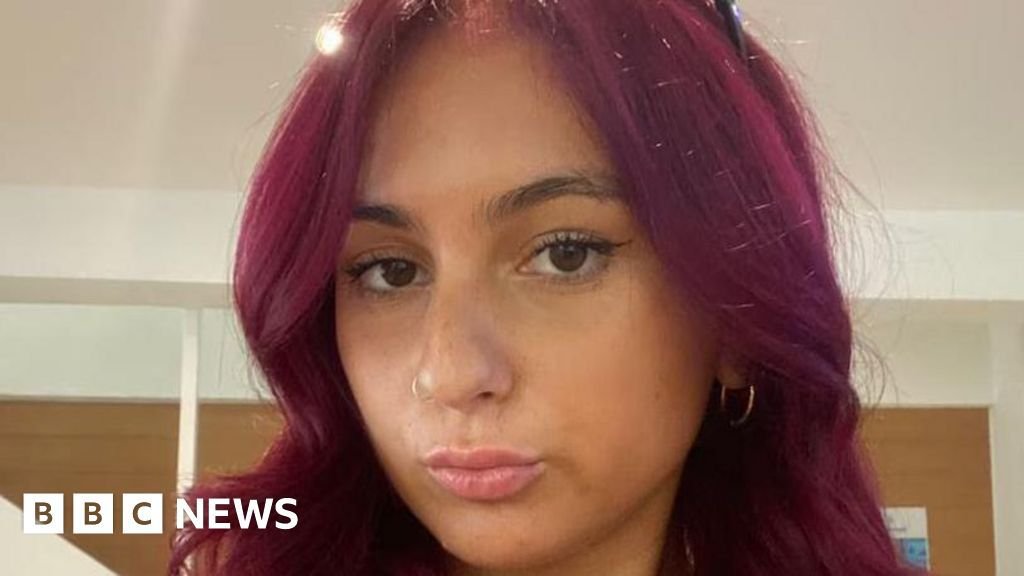
Alicia Kemp’s name is making headlines across the UK and beyond in August 2025. The story centres on a dramatic legal case unfolding thousands of miles from home, but its ripples are being felt globally—including sharp debates in Britain about travel, safety and responsibility.
Who Is Alicia Kemp?
Alicia Kemp, 25, hails from Redditch in Worcestershire. Like many young Britons, she set out on a working holiday in Australia, seeking adventure and new horizons. Her plans took a stark turn on May 31, 2025, in Perth. Kemp was out with a friend on a Saturday afternoon. After heavy drinking, the pair were ejected from a local bar, according to court documents. The day’s choices would lead to an incident that brought her onto the front pages of newspapers across the UK.
The Fatal Incident in Perth
Later that evening, Alicia Kemp and her companion hired an electric scooter. Travelling through Perth’s busy city centre, Kemp was reportedly speeding at 20 to 25km/h—where local limits are often strictly enforced. Tragically, she collided with Thanh Phan, a 51-year-old structural engineer and father of two, who was standing on the footpath waiting to cross the road. The impact was severe: Phan struck his head on the pavement and died in hospital days later from a brain haemorrhage. Kemp’s passenger—a 26-year-old woman—suffered head and facial injuries but survived.
This case is the first recorded pedestrian death involving an e-scooter in Western Australia. It quickly put a spotlight on e-scooter safety and regulation throughout the region, and several local councils moved to suspend hire schemes indefinitely.
The Court Case and Legal Repercussions
Alicia Kemp appeared in Perth Magistrates’ Court via video link from prison on August 11, 2025. She pleaded guilty to dangerous driving causing death while under the influence of alcohol. Prosecutors confirmed her blood alcohol concentration was 0.158—more than three times Australia’s legal limit of 0.05. CCTV footage presented in court captured Kemp’s “inexplicably dangerous” riding moments before the collision.
Importantly, a secondary charge related to causing harm to her passenger was dropped by prosecutors. Kemp’s case now moves to sentencing. Under Western Australian law, dangerous driving resulting in death while intoxicated can attract a sentence of up to 20 years in prison.

A Global Discussion on E-Scooters and Safety
The aftermath of the incident has driven public debate in Australia and the UK. Perth and other councils have suspended e-scooter hires. National authorities are launching inquiries into e-vehicle safety, echoing moves in other global cities such as Paris, which recently banned rental e-scooters following local referendums and reports of rising accidents. In Australia, regulations require e-scooter riders to be sober, wear helmets, avoid passengers, and be at least 16 years old.
The tragedy has refocused the debate on how city authorities and hire companies balance convenience for tourists and locals with public safety. Kemp’s case has become a cautionary tale not only about responsible travel but also the consequences of momentary decisions.
The Personal Toll and Family Impact
For Alicia Kemp, the reality is stark. Her lawyer, Mike Tudori, described her emotional state as “nervous and worried,” facing the uncertainty of life in an Australian prison system as a young visitor. Kemp’s family in Redditch are deeply concerned, while her boyfriend in Australia continues to support her through the legal ordeal.
Thanh Phan’s family, meanwhile, have shared their grief. In a public statement, they described him as “a beloved husband, father of two, brother, and dear friend.” The magnitude of their loss is a reminder of the real human impact behind the headlines.
British Reactions and Wider Implications
Back in the UK, Kemp’s case is sparking fresh conversations. With thousands of young Britons heading abroad every year for working holidays, media outlets like the BBC, ITV and The Independent are reporting extensively on the risks and responsibilities of travel. Experts are questioning whether British citizens receive enough guidance before setting out, and whether e-scooter regulations in Britain could be strengthened to avoid similar incidents.
At home, e-scooters are increasingly common in cities like London, Manchester and Liverpool. UK law currently restricts rentals to particular trial areas, requires sobriety, prohibits passengers and mandates helmet use. The government regularly reviews accident statistics, and Kemp’s case may prompt renewed scrutiny in parliament and local councils.
What Happens Next?
Alicia Kemp remains in custody in Western Australia, with sentencing scheduled for October 31, 2025. Her legal future is uncertain, and her case will continue to serve as a global flashpoint for safety, justice, and how societies balance individual freedom with collective security.
Britons planning trips abroad are urged to familiarise themselves with local laws and customs, especially regarding personal mobility devices like e-scooters. The case stands as a sober reminder that one mistake can change lives—and that being informed is the best safeguard.
In 2025, travel and technology are intertwined more than ever. As Kemp’s story unfolds in media across the UK and world, it’s a testament to the power of responsible choice, and the unyielding reach of consequence. The tragedy in Perth will resonate for months to come, impacting families, policymakers and communities far beyond Australia’s shores.
Read more: dvla driving licence changes