

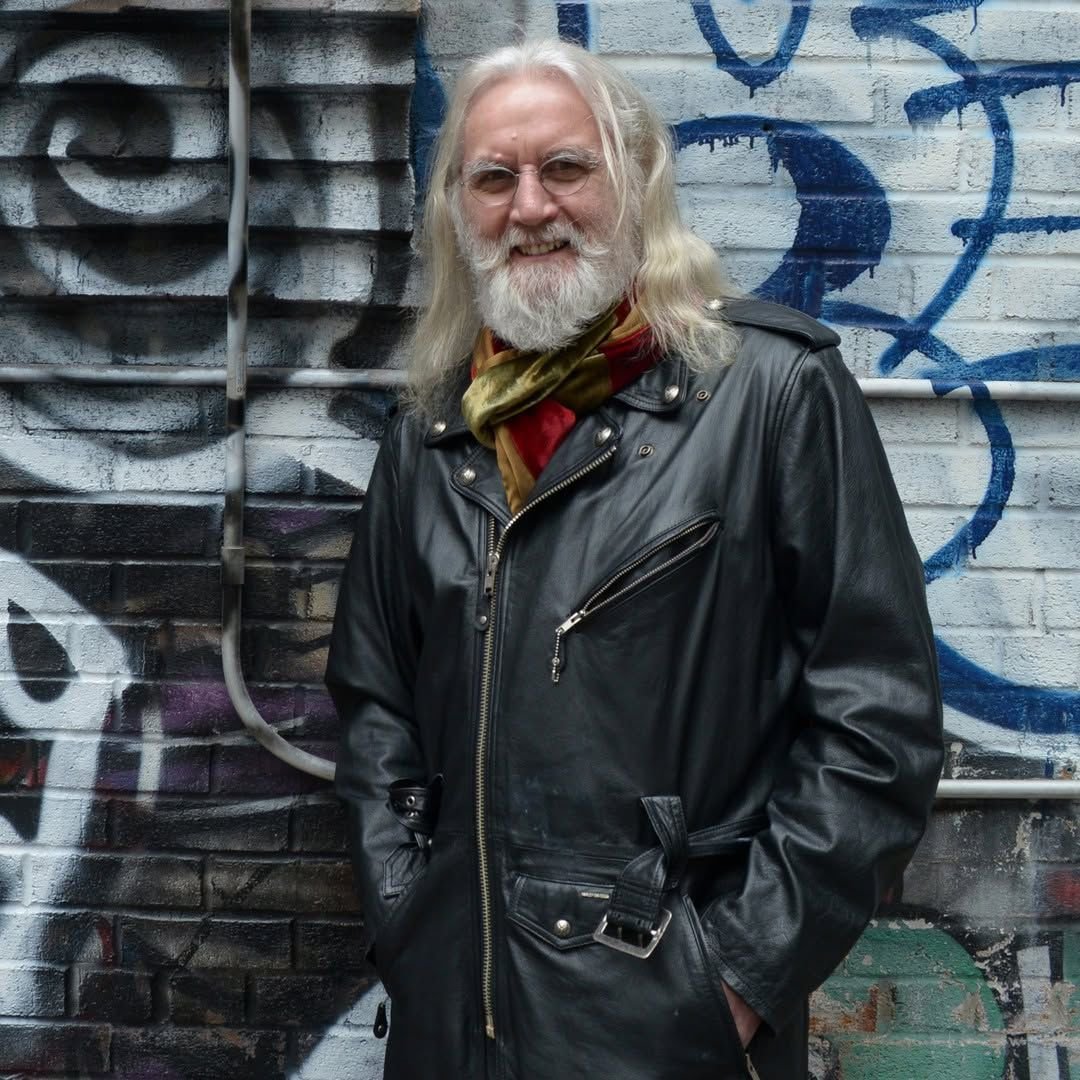
Sir Billy Connolly, affectionately known as “The Big Yin,” remains one of the most beloved and influential figures in British entertainment. In 2025, his name continues to dominate headlines, not only because of his rich comedic past but due to his candid reflections on life, health, and creativity. For a UK audience, Connolly’s story is far more than a celebrity tale—it’s an uplifting journey of resilience, humour, and cultural impact that still reverberates through British society.
Early Life: From Glasgow’s Shipyards to Spotlight
Billy Connolly’s journey began in the tenement blocks of Glasgow, where hardship and laughter were regular companions. Leaving school at 15, he started as a shipyard welder, but the call of performance soon took over. He joined The Humblebums, a folk-rock band with Tam Harvey and Gerry Rafferty, and quickly discovered that his witty banter between songs was often more memorable than the music itself.
These formative years shaped Connolly’s distinct comic voice—one rooted in storytelling, observation, and an unshakeable sense of Scottish identity. The brutality of his upbringing, as he has since discussed with honesty, was met with a determination to chase joy and poke fun at the world.
The Rise of a Comedy Legend
Connolly’s breakthrough came in the early 1970s, when stand-up comedy in the UK was largely staid and formulaic. His 1975 appearance on the BBC talk show “Parkinson” stunned audiences and elevated him to national stardom. Rejecting traditional routines for vivid, conversational tales laced with irreverence, he revolutionised the art of stand-up. The British public quickly embraced his style, and he became a fixture of television chat shows and record-selling tours.
By the late 1990s, Connolly’s comedy had not only entertained millions but influenced a new generation of comedians, including those driving Britain’s current alternative comedy scene.
Crossing Over: Film, Music and Worldwide Fame
Connolly’s creative reach extends beyond comedy. He enjoyed chart success with the satirical single “D.I.V.O.R.C.E.” and starred in classic films like “Mrs Brown” alongside Judi Dench, earning BAFTA and Screen Actors Guild nominations. His voice brought King Fergus to life in Pixar’s “Brave,” and he graced documentaries about music, travel, and Scottish culture, most notably “Billy Connolly’s World Tour of Scotland”.
In each role, Connolly has stayed true to his unique blend of humour and warmth. For British audiences, he is as much a chronicler of ordinary life as he is a global superstar.
Facing Adversity: Health, Retirement, and Reflection
In 2013, Connolly was diagnosed with Parkinson’s disease, a condition he has discussed openly since retiring from stand-up. He also faced—and overcame—prostate cancer the same year. Now in his eighties, Connolly reflects on mortality with characteristic wit, describing death as “just a sudden nothing,” and urging others to accept their fate with poise. Far from retreating, he’s poured his energy into art and television, sharing his journey through recent documentaries such as “Billy Connolly: In His Own Words” and BBC One’s “In My Own Words” special.
Despite the challenges Parkinson’s brings, Connolly insists he is “not dead or broken,” often downplaying his own health struggles with humour and generosity. His positive attitude towards life’s hardships—bolstered by the support of his wife, psychologist Pamela Stephenson—continues to inspire fans and fellow patients alike.
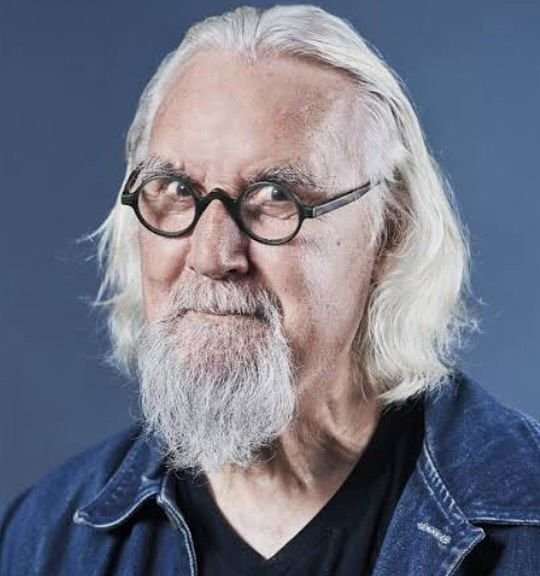
New Chapters: Artistry and Legacy
Since retiring from live performance, Connolly has found fresh acclaim as an artist, holding exhibitions and releasing new collections that showcase his irrepressible spirit and creativity. These works have proved popular with both longtime fans and art collectors, strengthening his position as a multidimensional cultural figure.
The Glasgow Comedy Festival’s “Spirit of Glasgow” award bears his name, honouring his lifelong impact on the city and its unique sense of humour. Museums, galleries, and broadcasts all pay tribute to Connolly’s towering legacy in Scotland and across Britain.
Expert Insights and Ongoing Influence
Connolly’s peers and critics alike often cite him as the “godfather of British comedy,” with comedians such as Eddie Izzard and Dawn French acknowledging his pivotal role in transforming UK humour.
UK-based health experts and Parkinson’s charities also highlight Connolly’s openness about his illness as vital for public awareness and destigmatisation. His frequent, candid comments on living with the condition have encouraged others to seek help and to remain optimistic in the face of adversity.
Public Perception and Social Impact
Billy Connolly’s story is the story of ordinary Britons—he is seen as a man of the people who rose to the top without losing his sense of self. Popular polls frequently name him Britain’s favourite comedian, and his trademark candidness has helped open up conversations about mental health, childhood trauma, and the realities of ageing.
From his humble beginnings in Glasgow to becoming a symbol of working-class ingenuity and resilience, Connolly’s influence stretches across comedy, music, drama, and art. His sharp observations about British society and politics, delivered with warmth and mischief, have left an indelible mark on the nation’s cultural memory.
Conclusion
Billy Connolly’s life and work span more than five decades of British and global entertainment. He remains a beacon of laughter, honesty, and artistic innovation in a world too often in need of optimism. As his health journey unfolds, he continues to connect with fans across the UK, reminding us all to find humour in hardship and cherish the power of storytelling. His journey proves that even in the face of adversity, it is possible to remain windswept, interesting, and truly unforgettable.
Read more: jim lovell