

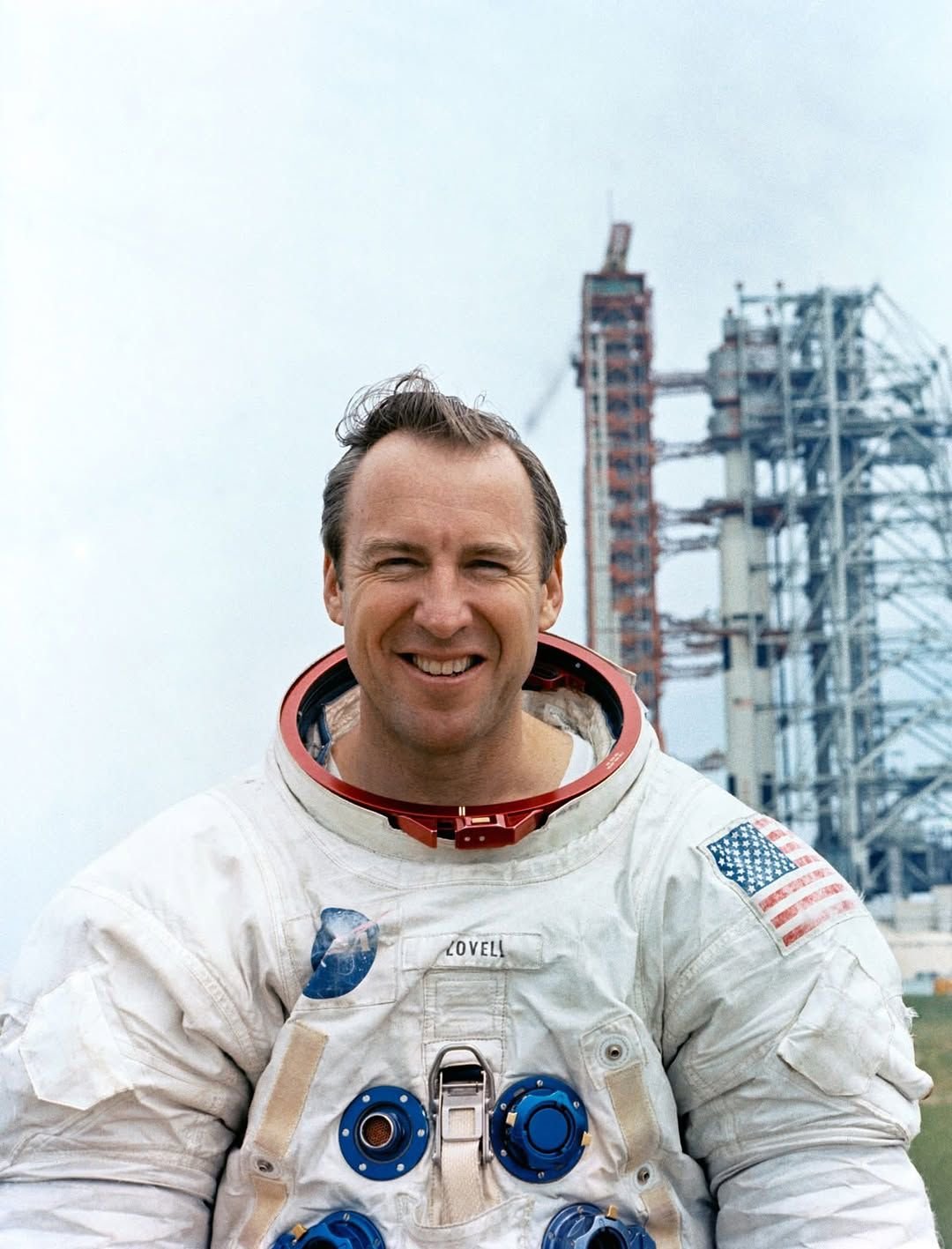
Jim Lovell, the legendary NASA astronaut famed for his calm courage during the Apollo 13 mission, has passed away aged 97. His death in August 2025 marks the end of a remarkable era in space exploration and has made headlines across the UK. As the world reflects on his achievements, Lovell’s story continues to inspire, reminding us that even the most harrowing crises can become triumphs of human ingenuity.
Early Dreams and the Path to the Stars
James Arthur Lovell Jr. was born in 1928 in Cleveland, Ohio, but his ambition to fly started as a young boy in Wisconsin. Fascinated by rockets from an early age, he built and launched his first homemade rocketry experiments in the local fields—an early indicator of the pioneering spirit that would later define his career.
After graduating from the US Naval Academy in 1952, Lovell became a naval aviator and a skilled test pilot. In 1962, he was selected by NASA to join its storied second group of astronauts, known as the “New Nine.” This group would go on to lead some of the most important missions of the Space Age.
Gemini Missions: Proving Human Endurance in Space
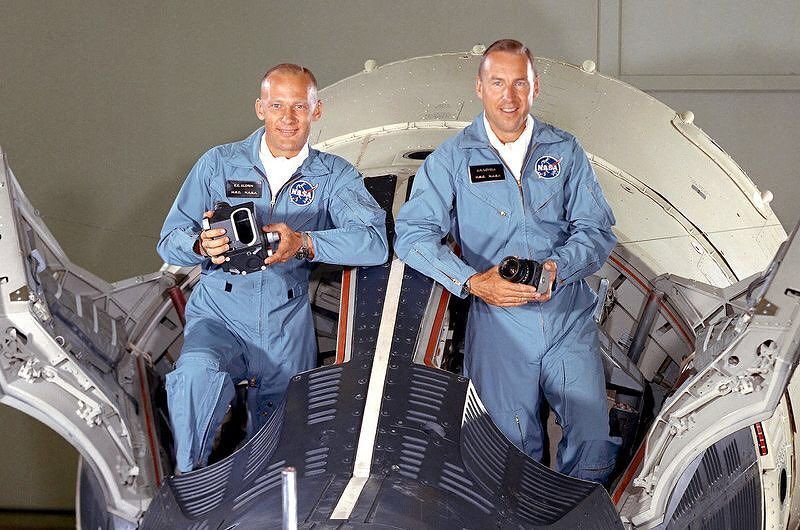
Lovell’s first mission was Gemini 7 in 1965. Alongside Frank Borman, he spent nearly 14 days in orbit, setting endurance records and completing humanity’s first rendezvous between two manned spacecraft. He then commanded Gemini 12 in 1966, working with Buzz Aldrin to develop crucial spacewalking techniques needed for the upcoming Apollo voyages. These missions cemented Lovell’s reputation for steady nerves and technical skill.
The Pioneering Apollo 8: First to the Moon
Jim Lovell’s next major leap came in December 1968 as command module pilot of Apollo 8. It was the first crewed mission to orbit the Moon. Lovell, Frank Borman, and William Anders became the first human beings to leave Earth’s gravity and glimpse the Moon’s far side, broadcasting the iconic “Earthrise” image that moved millions back on Earth. This bold journey paved the way for the Apollo 11 Moon landing in 1969 and set new benchmarks for navigation and teamwork in deep space.
Apollo 13: From Catastrophe to Inspiration
In April 1970, Lovell commanded Apollo 13, which was to be the third lunar landing. Midway to the Moon, disaster struck; an oxygen tank exploded, crippling the spacecraft. Lovell and his crew quickly realised the mission’s goal must shift from landing on the Moon to simply surviving the journey home.
Over the next three-and-a-half days, Lovell exemplified calm leadership as his team faced freezing temperatures and dwindling supplies. Working closely with NASA’s Mission Control, they improvised repairs and devised clever workarounds to steer the spacecraft back to Earth. Their safe splashdown was watched by millions and immortalised Lovell’s words—“Houston, we’ve had a problem”—in the annals of history.
British newspapers at the time hailed their return as a miracle, and UK scientists acknowledged Apollo 13 as a “successful failure”—not for landing on the Moon, but for providing invaluable lessons in crisis management and teamwork that still shape the space programme today.
Lovell’s Legacy Beyond Space
After his retirement from NASA and the US Navy in 1973, Lovell remained a passionate advocate for science and education, frequently appearing on UK television and giving interviews to inspire new generations. His contributions extended beyond technical achievements. As UK astronauts and experts have repeatedly noted, he set the gold standard for leadership under immense pressure, demonstrating the power of cool-headed decision-making in life-and-death situations.
Tom Hanks, who portrayed Lovell in the Oscar-winning film “Apollo 13,” paid tribute to the astronaut’s courage and generosity. British director Ron Howard highlighted Lovell’s willingness to share his insights to ensure the film’s authenticity and educational value for audiences worldwide.
Lasting Impact on Space Exploration
NASA officials, writing in tributes echoed by UK news outlets, emphasised that Lovell helped forge a path for continued lunar and deep-space missions. His role on Apollo 8 proved humans could reach and orbit the Moon. His actions during Apollo 13 influenced every subsequent mission’s approach to safety and contingency planning.
The Moon, which once captured Lovell’s gaze from space, is again in the global spotlight as the UK collaborates with NASA and other international partners on future exploration. Lovell’s resilience and teamwork are often cited by British scientists leading the next wave of lunar missions—proof that his legacy truly transcends borders.
Personal Life and Character
Lovell was married to Marilyn for over 70 years, and they raised four children together. His family described him as unfailingly optimistic and full of humour, always making those around him feel capable of the impossible. UK space commentator Dr. Kate Burnett summed it up: “Jim Lovell taught us that courage isn’t the absence of fear, but the willingness to act with hope and ingenuity. His mark on history is undeniable.”
Conclusion
Jim Lovell’s story is not only a chronicle of technological progress but also a celebration of the human spirit. For readers in the UK and around the world, his life serves as a reminder that grit, teamwork and hope can transform even the gravest of crises into achievements worth celebrating. As the headlines fade, Lovell’s legacy endures—inspiring young scientists, future space explorers, and anyone who dares to dream of reaching for the stars.
Read more: hassan nawaz