

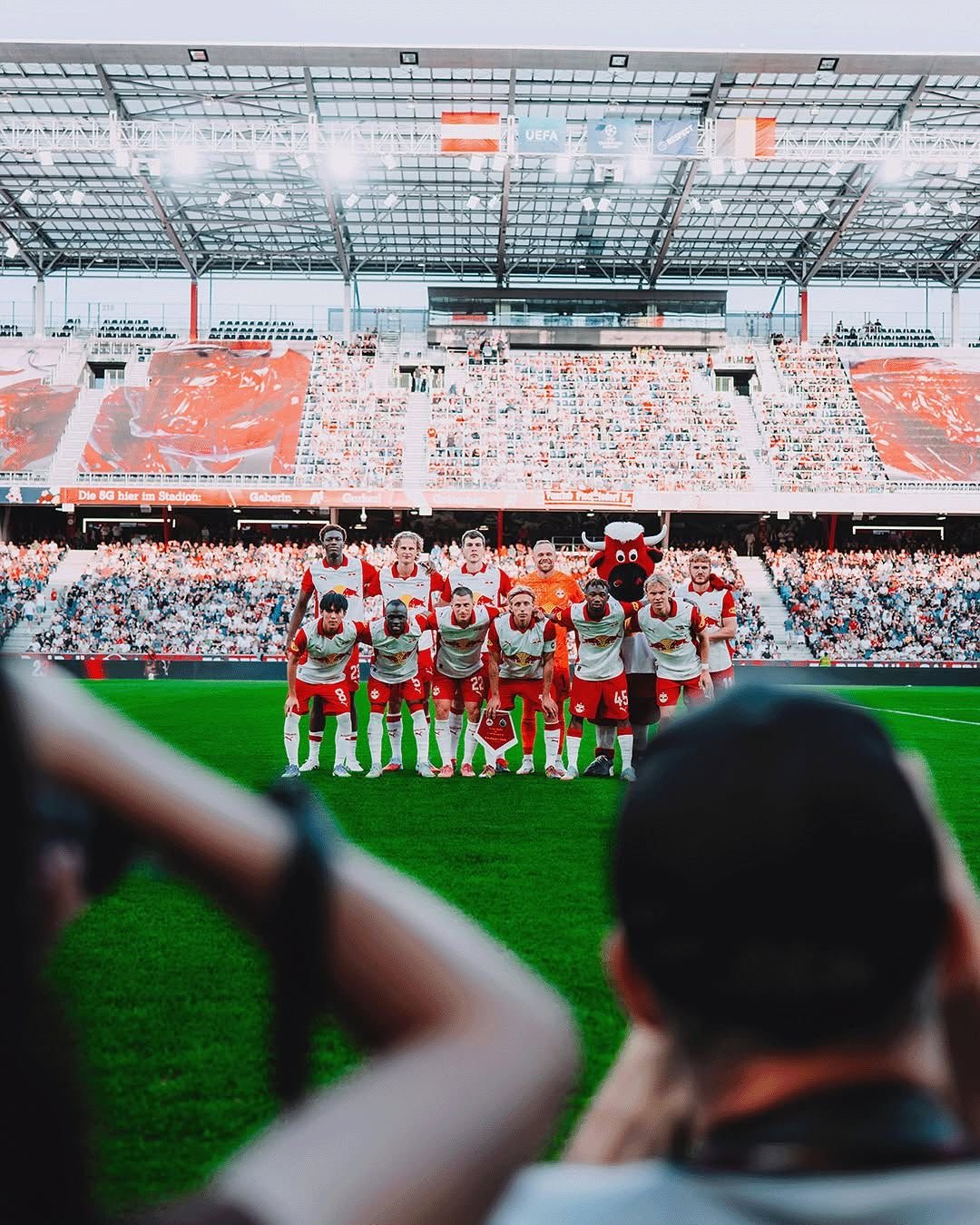
Salzburg, the scenic Austrian city often synonymous with classical music and baroque architecture, is also home to one of Europe’s most dynamic football clubs—FC Red Bull Salzburg. In 2025, Red Bull Salzburg, or simply Salzburg, took centre stage in footballing headlines, following a season of dramatic change, high-profile matches, and a renewed sense of ambition both domestically and internationally.
Salzburg’s 2024–25 Campaign: A Year of Twists and High Stakes
The past football season was Salzburg’s 92nd year in the top flight of Austrian football, and it was far from routine. Having dominated Austrian football for the better part of a decade, Salzburg faced stiffer competition than usual. The club finished the Bundesliga campaign in third place in the regular round, ultimately concluding the season in second overall—a rare occurrence for a side accustomed to lifting titles as a matter of course.
Their league form was defined by ten wins, eight draws and four defeats over 22 matches in the pre-championship stage, with 33 goals scored and 22 conceded. This represented a solid effort, but the club found itself trailing behind the pace-setting Sturm Graz and Austria Wien for considerable periods of the season.
Salzburg’s record in European competition was mixed. While the club’s Champions League journey ended in disappointment—finishing 34th in the league phase with heavy defeats to Europe’s giants such as Real Madrid and Paris Saint-Germain—they took valuable experience from testing themselves on the continental stage. Their resilience was on display in hard-fought qualifiers and, later, in the group matches that pitted them against elite opposition.
FIFA Club World Cup: Salzburg Reaches the Global Stage
Spring 2025 brought a fresh layer of excitement as Salzburg competed in the expanded FIFA Club World Cup in the United States. Qualifying via UEFA’s ranking pathway, Salzburg lined up in Group H alongside global heavyweights such as Real Madrid, Al Hilal, and Pachuca.
They started brightly, securing a 2–1 victory over Mexico’s Pachuca. The following goalless draw against Al Hilal set the stage for a decisive group showdown with Real Madrid. Although Salzburg fell 0–3 to the Spanish side, their spirited performances were praised. The club finished the group stage in third, just missing out on the knockout rounds, but delivered moments of pride for supporters and further enhanced their international reputation.
Transfers and Squad Evolution: Building for the Future
The summer of 2025 witnessed considerable change within the Salzburg squad. The club’s famed recruitment and development model was in full swing, with a raft of new signings and several notable departures. The transfer window saw Salzburg invest in youthful talent and seasoned professionals alike.
Key arrivals included Sota Kitano, an attacking midfielder from Cerezo Osaka, and versatile left winger Frans Krätzig from Bayern Munich, whose transfer included a buy-back clause hinting at his potential. Right-back Stefan Lainer joined on a free transfer from Borussia Mönchengladbach, adding depth and experience to the back line. Other promising recruits such as Jacob Rasmussen and Kerim Alajbegović underlined the club’s commitment to future-proofing its squad with emerging talents
Meanwhile, departures included Amar Dedić (to Benfica) and Nicolás Capaldo (to Hamburger SV), both of whom played prominent roles during the previous campaign. The club’s transfer activity once again set the standard for Austrian football, blending astute business with a clear vision for development.
Leadership, Tactics and Expert Insight
Salzburg’s coaching staff also underwent major changes. Former manager Pepijn Lijnders departed in December 2024 after a spell of poor results in both the domestic league and European competitions. His replacement, Thomas Letsch, was tasked with rejuvenating the side and nurturing a new blend of youth and experience.
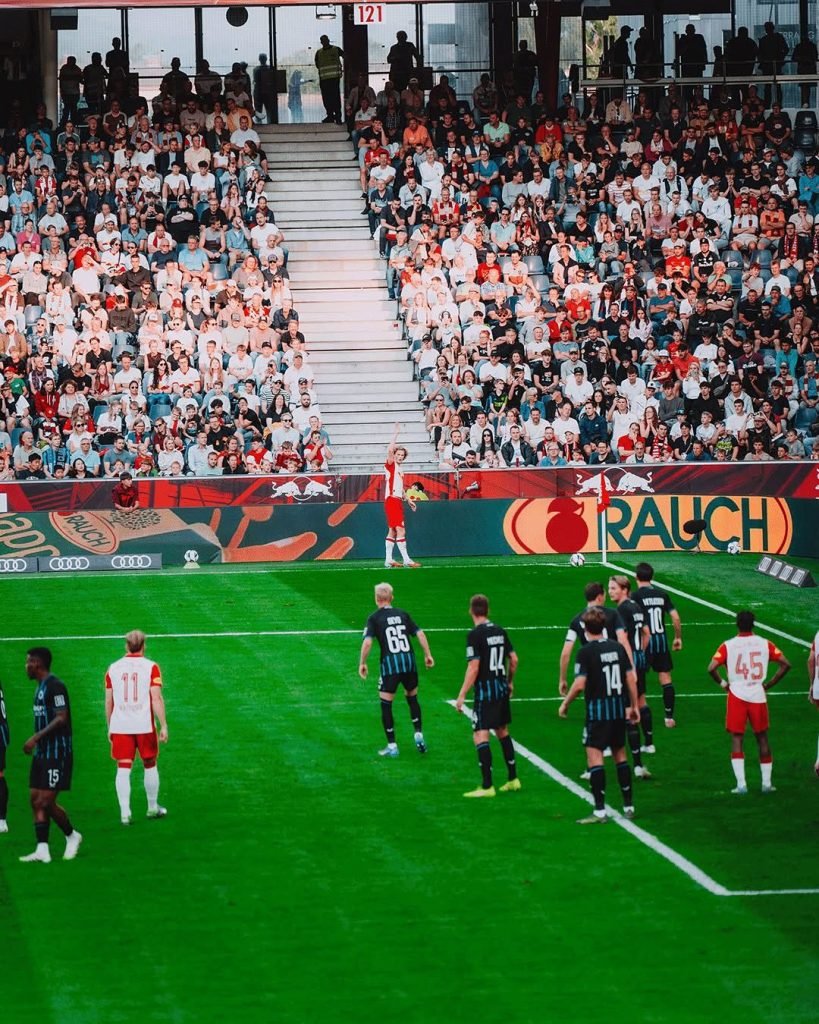
Tactically, Salzburg remained wedded to their high-pressing, attacking style—an approach credited with developing stars who now play across Europe’s elite leagues. Midfield dynamo Mads Bidstrup captained the side, while young talents such as Maurits Kjærgaard and Sota Kitano starred in the engine room, signalling a bright future. Up front, Karim Onisiwo and Ernest Baidoo provided cutting edge and unpredictability.
Expert commentators noted that Salzburg’s depth, energetic approach, and resilience remain their trademarks. Yet, this season underscored the need to adapt and evolve tactically as Austria’s Bundesliga grows in quality.
City and Stadium: Salzburg’s Unique Setting
Salzburg’s Red Bull Arena, known for its picturesque Alpine backdrop and passionate home support, continues to be one of European football’s most distinctive venues. Hosting both domestic fixtures and high-stakes European nights, the 31,895-capacity ground is an emblem of the city’s footballing ambition.
The club’s success has a broader impact too. Salzburg is increasingly a fixture in conversations about football development, youth systems, and scouting—areas in which they have set continental benchmarks. Their influence extends beyond the city itself, with Salzburg now an established player in the business of football, marketing and global talent development.
Salzburg For the UK Audience: Why It Matters
For British fans, Salzburg is far more than a Continental dark horse. The club regularly features in Champions League and Club World Cup action against Premier League powerhouses, providing a shop window for rising stars and future transfer targets. Their business model is often discussed in UK media as a blueprint for sustainable growth and talent production.
Salzburg’s journey in the 2024–25 season offers lessons in resilience, the challenges of European football, and the push for innovation in club management. As the Austrian side continues to punch above its weight, its story captivates those who appreciate an underdog’s grit and an institution committed to progressive football principles.
Looking Forward: What’s Next for Salzburg?
With the new season under way, Salzburg will set their sights on reclaiming the domestic title, advancing further in Europe and nurturing their next generation of stars. Supporters and observers alike will watch closely to see how Thomas Letsch’s side responds to last year’s setbacks. As Austria’s most successful club looks to the future, Salzburg’s story continues to exemplify ambition, renewal, and a pioneer spirit—qualities that resonate from the banks of the Salzach River to football fans across the UK.
Read more: al nassr