

Introduction
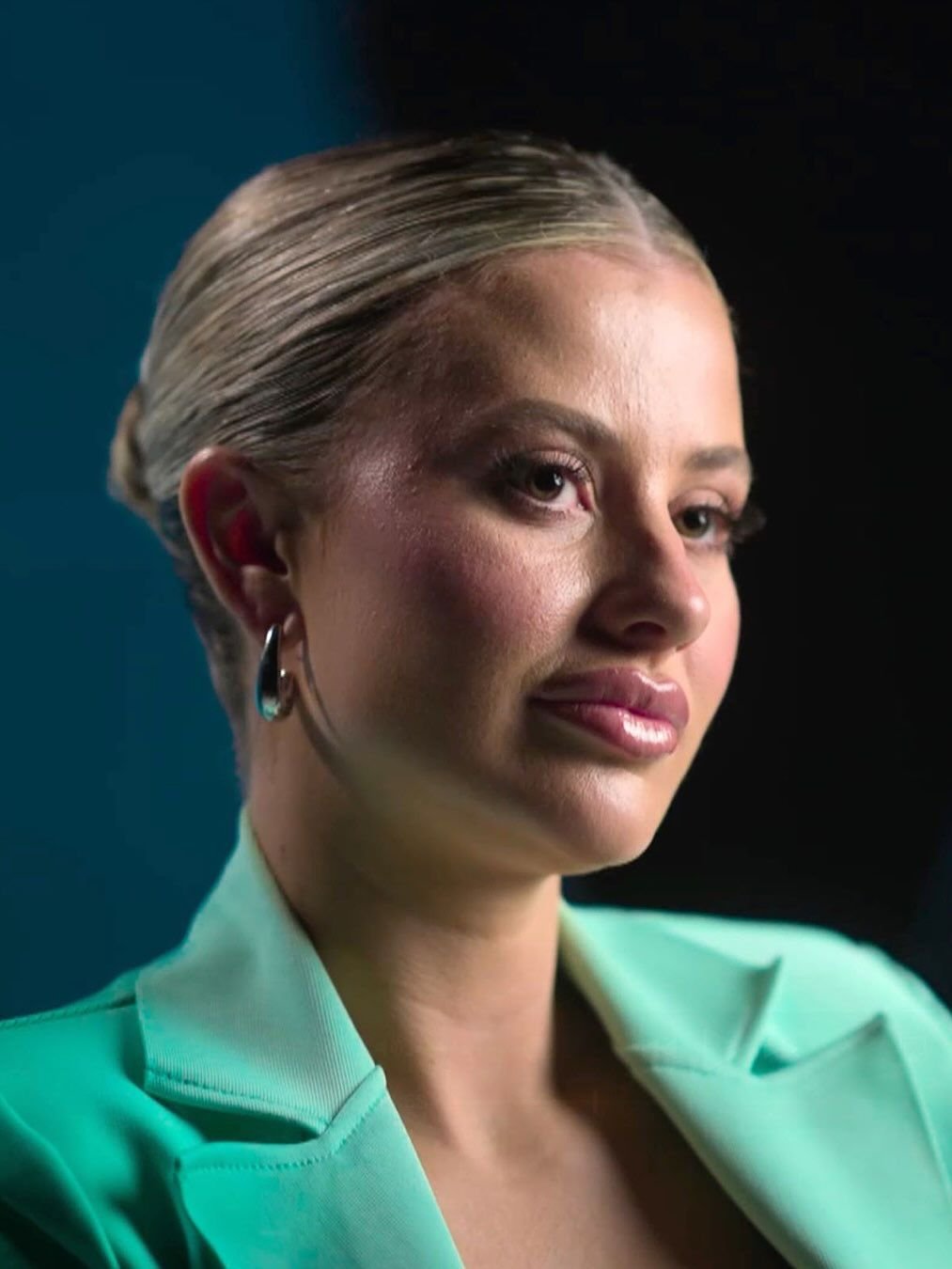
Chloe Ayling’s name has returned to the headlines across the UK this week, as she steps into the spotlight to tell her story in her own words. Eight years after her shocking kidnapping in Italy gripped the public, she is once again the subject of national conversation, fuelled by a new BBC documentary aiming to separate myth from fact. The case remains one of Britain’s most discussed true crime stories of the decade, illustrating not only the trauma of abduction but also the power and pitfalls of public scrutiny.
The Milan Kidnapping: Fact and Fallout
In July 2017, Chloe Ayling travelled to Milan for a modelling job booked via her agent. Expecting a routine photo shoot, she was suddenly seized, drugged, and bundled into a bag by individuals claiming to represent an international trafficking gang called the Black Death Group. Over the following six days, Ayling was held captive in a remote farmhouse, facing threats that she would be sold online as a sex slave unless a £230,000 ransom was paid.
Her captor, Łukasz Herba, eventually released her unharmed at the British consulate in Milan. Italian police promptly arrested Herba, later uncovering that he had used drugs to sedate Ayling and held her with the complicity of his brother, Michał. Both men were eventually convicted of kidnapping, with Herba sentenced to over 16 years, though his term was later reduced on appeal.
Despite the swift action by law enforcement, Ayling’s ordeal was only just beginning. Instead of sympathy, her calm manner in interviews and CCTV footage provoked a wave of public scepticism. Headlines, television panellists, and social media questioned whether the kidnapping was real or a ‘stunt’ designed for fame.
Reclaiming the Narrative: A New Documentary
This month, Ayling is once again at the centre of attention. BBC Three premiered a documentary, “Chloe Ayling: My Unbelievable Kidnapping”, which features Ayling herself as she revisits the events of 2017 and the aftermath that followed. The programme offers fresh interviews and unprecedented access to those involved in the investigation, aiming to explore how a survivor could become the target of disbelief on such a wide scale.
Ayling hopes to address lingering doubts. Speaking on BBC and ITV, she reflected on the impact of having her truth doubted for years, sharing that many people still contact her with disbelief, even after the conviction of her kidnappers. She explained that her composure during the ordeal was a survival tactic rather than proof of deceit. “It was my calmness that saved me. I had to get him on side to be able to get out,” she stated, keen to challenge stereotypes about how trauma victims ‘should’ behave.
Trauma, Trial and the British Media
The series underscores the role of media in shaping public perception. Ayling, who quickly became known not just for her modelling work but for an international scandal, was forced to relive her ordeal in court and on primetime television. British outlets such as ITV’s Lorraine gave Ayling airtime, but often with tough questioning about her credibility. Experts, too, have weighed in, noting that the UK’s fascination with true crime often leads to a blurring of lines between survivor and suspect.
Ayling reflected on the impact of this scepticism, saying, “It is always people who don’t know the facts, they judge too quickly… You can never get offended by it because they don’t know.” She points out the emotional toll it has taken—she still endures accusations that the kidnapping was a ruse, even after the Italian courts dismissed those ideas.
Addressing the Doubt: Why Are Victims Blamed?
Part of the fascination with the Ayling case stems from its seeming unreality. The details—a fake photo shoot, a shadowy gang, ransom emails, and a high-profile media circus—almost stretch credulity. Yet the conviction of her attackers stands as legal recognition that the crime truly happened.
Ayling’s calm, sometimes pragmatic reaction to trauma also bucked expectations. Her new documentary seeks to highlight that trauma responses are personal and varied. As head of documentaries at the BBC, Clare Sillery, noted, the series explores “what it means to be a victim who becomes the subject of widespread speculation and continues to navigate public disbelief eight years later”.
Where Is Chloe Ayling Now?
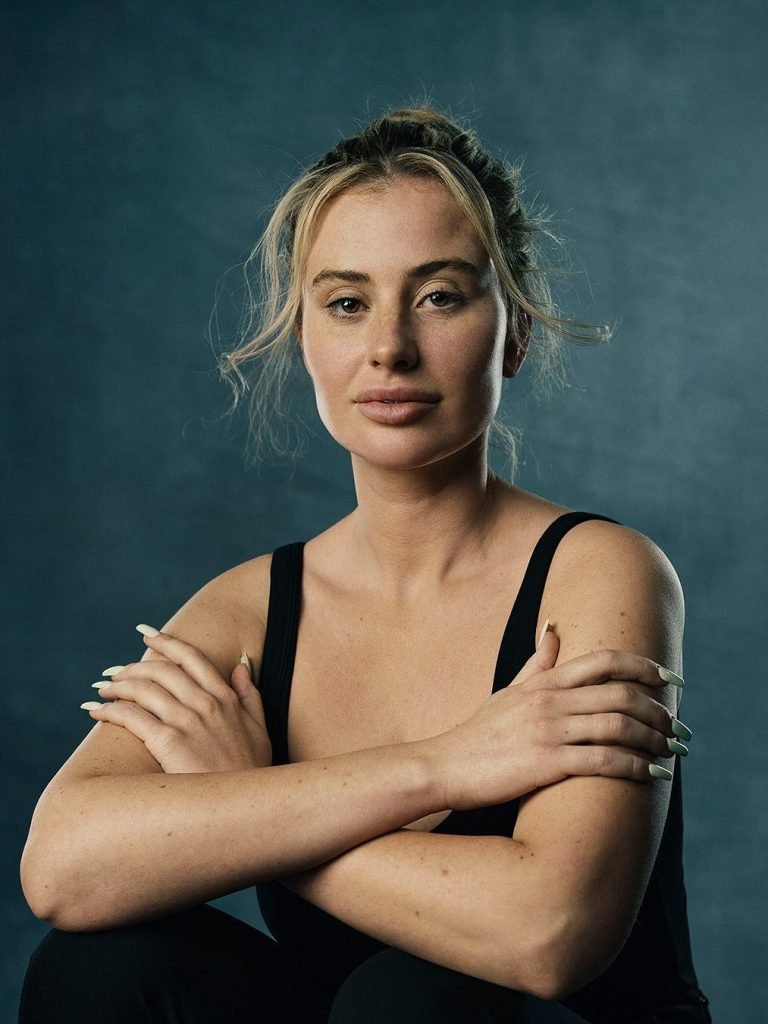
Eight years on, Ayling, now 28, divides her time between the UK and Florida. She continues to model and has become an outspoken advocate for survivor rights, trauma support, and challenging media bias. In addition to her memoir, Ayling’s television appearances and social media discussions now focus on rebuilding after trauma, supporting fellow victims, and holding the media to account for how survivors are portrayed.
Conclusion
The Chloe Ayling case stands as a stark reminder of the complexities victims face in the limelight. Through her testimony and documentary, Ayling aims to transform the narrative—from victim and subject of suspicion to survivor and advocate. As the BBC series airs and public discussion reignites, it offers the UK a chance to reflect on not just the facts of her story, but how we, as a society, treat those who survive the unimaginable. For Ayling, it is a moment to close a long chapter—and, finally, to be heard and believed.
Read more: Daegu vs Barcelona