

Glasgow Airport stands as one of Scotland’s most strategic assets, facilitating millions of passenger journeys each year, strengthening regional economies, and connecting the nation to destinations across the world. As 2025 unfolds, the airport is experiencing a period of both challenge and ambitious renewal. Industrial disputes have threatened disruption, but bold investment signals a renewed commitment to making Glasgow a modern, competitive hub for travel in the UK and beyond.
Passenger Growth in 2025
Glasgow Airport remains one of the UK’s top ten busiest airports. Despite a turbulent decade for global aviation, the airport saw more than 8.2 million passengers in 2024, and forecasts for 2025 have settled around the 8.3–8.5 million mark. While the earlier projection for the year was slightly higher, current trends continue to point to a healthy growth of nearly 3% year-on-year. This modest but reliable expansion positions Glasgow ahead of many regional peers and signals strong demand for both domestic and international travel from Scotland’s largest city.
Strikes, Pay Deals and Airport Operations
One of the major headlines for summer 2025 was the threat of industrial action. In July, nearly 100 airside support officers, engineers, and managers—represented by the Unite union—planned a 48-hour strike amid pay disputes timed to coincide with Glasgow Fair fortnight, a peak holiday period. The dispute centred on pay, with workers rejecting a 4% rise, arguing that it lagged behind both inflation and offers accepted elsewhere on the airport campus.
Fortunately, talk of lengthy disruption subsided after Unite and airport management reached a late pay settlement in early August, averting action and allowing operations to continue largely as normal. Contingency plans had been in place to minimise any impact on summer travellers. The dispute did, however, draw attention to broader issues of pay equity and staff welfare at Britain’s airports—a focus likely to stay on the agenda as the aviation sector evolves.
Expanding Destinations and Airline Partnerships
2025 has been a year of welcome expansion for Glasgow Airport’s route map. easyJet, Scotland’s largest airline, launched two new summer routes, and Ryanair announced that it has now carried more than seven million passengers through Glasgow since 2014. Popular destinations this year include Mediterranean hotspots like Alicante and Malaga, city breaks to Brussels and Krakow, and growing options for transatlantic flights.
A recent memorandum of understanding with Shanghai Airport Authority demonstrates Glasgow’s growing ambition, laying the groundwork for potential direct routes between Scotland and China—an initiative that could strengthen trade, tourism, and cultural links.
A £350 Million Transformation: Modernising for the Future
Perhaps the biggest story for Glasgow Airport in 2025 is the commencement of a transformative five-year redevelopment. New owners AviAlliance are investing £350 million across the AGS group (which includes Aberdeen and Southampton), with the lion’s share dedicated to Glasgow. This extensive overhaul will renovate the main terminal for the first time in 30 years, expand retail and dining, and overhaul gate areas to allow faster turnaround for inbound and outbound flights.
Terminal improvements are matched by investment in energy efficiency and airfield infrastructure, supporting the airport’s net zero ambitions by the mid-2030s. Leadership at both AGS and the Scottish Government say the investment is a pivotal moment for Glasgow’s connectivity, competitiveness, and passenger experience.
The Airport’s Wider Impact
Glasgow Airport is not only vital for holidaymakers, but also powers a considerable regional economy, supporting more than 7,000 jobs, both direct and indirect. The ongoing terminal redevelopment is expected to create hundreds of construction roles and stimulate local suppliers, while easier access to global markets benefits all of Scotland.
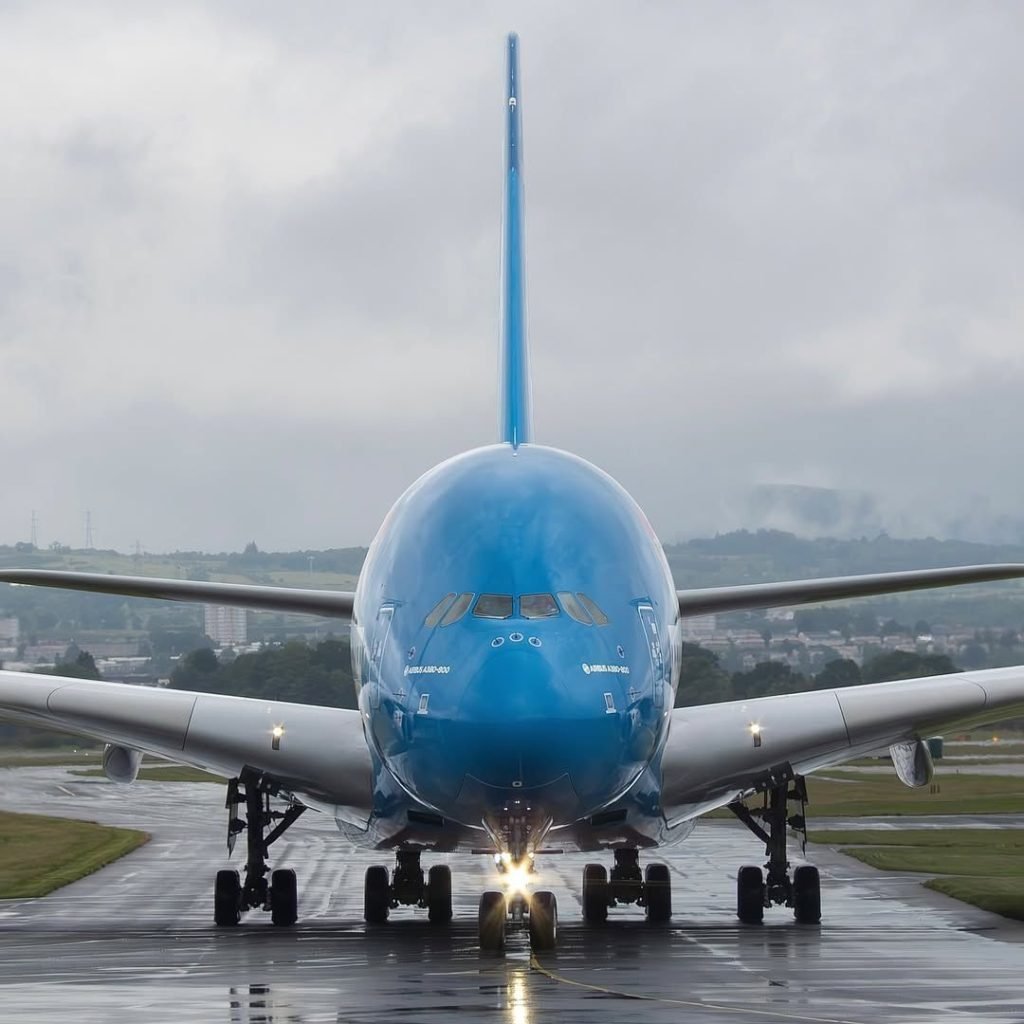
Events such as the return of the Emirates A380 and the possibility of more US and Chinese connections illustrate the ambition of Glasgow’s new management to restore and exceed pre-pandemic connectivity. The airport’s comparative spaciousness and new layout are increasingly helping to entice both low-cost and long-haul airlines, with the ultimate aim of surpassing 10 million.
Like all major airports, Glasgow faces ongoing tests. Air travel’s recovery remains sensitive to geopolitical events, traveller demand, and changes in the regulatory environment. Pay disputes and industrial relations must be managed with care. Meanwhile, increased drop-off charges and other fees have met with pushback from passengers, highlighting the need to balance airport revenue with consumer satisfaction.
Looking Ahead: A Gateway Transformed
In summary, 2025 marks a critical juncture for Glasgow Airport. Set against the backdrop of strike threats, strategic expansion, and an unprecedented investment in passenger facilities, the airport embodies the resilience and ambition of modern Scotland. If AviAlliance’s vision delivers, Glasgow will move towards its target of 10 million annual travellers, cementing its status as the country’s most important gateway after Edinburgh.
Read more; Lloyds share price